Identity Building Afterschool STEM for Programs, Neurodivergent Friendly
Here is a curated set of ready-to-run, hands-on STEM activities and adaptable lesson templates built for ages 5 to 13, so you can pick an activity and lead a session today. We built this guide for parents, educators, and program coordinators who need both quick single-session ideas and multi-session projects that stick. Every activity below favors tactile discovery over screens, and every template includes inclusion notes for learners who need a different kind of support.
TL;DR:
- Most activities are suitable for children ages 5 to 7 or 11 to 13, with complexity adjusted through materials and instructions rather than core concepts.
- Multi-session projects, spanning 4 to 6 weeks, lead to deeper learning and stronger STEM identity development than single activities.
- Consistent, mentor-supported programming with revisited challenges statistically improves STEM content knowledge and student confidence.
- Activities should incorporate flexible roles, sensory-friendly options, and non-graded framing to support neurodivergent and hesitant learners.
- Reusable, low-cost kit resources and ready-made curricula can significantly reduce prep time while maintaining high engagement.
Table of Contents
- 1. Hands-On STEM Activities Worth Adding to Your Lineup
- 2. Three Mini Lesson Plans You Can Run With Almost No Prep
- 3. Materials, Budgeting, and Quick Prep for Afterschool Settings
- 4. Facilitation Moves That Keep Kids Thinking, Not Just Following Directions
- 5. Building Single Activities Into Multi-Session Projects
- 6. What Research Says About Hands-On, Sustained STEM Programming
- 7. Making Activities Inclusive and Neurodivergent-Friendly
- 8. Free Curricula and Trusted Resources Worth Bookmarking
- 9. Why Identity-Driven STEM Changed How We Think About Confidence
- 10. Ready-Made Kits for Programs That Want Less Prep, More Discovery
- FAQ
- Sources
1. Hands-On STEM Activities Worth Adding to Your Lineup
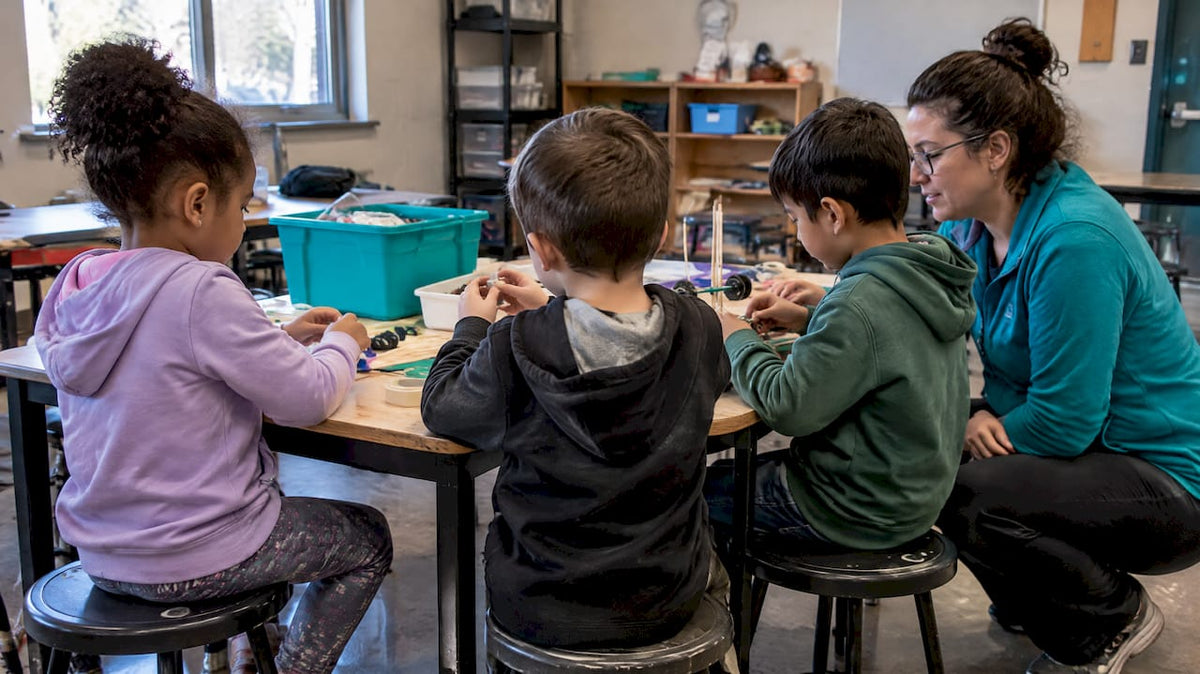
The strongest afterschool STEM moments share three traits: low cost, clear objectives, and room for a child to fail safely and try again. Informal, low-pressure settings like these support flexible learning and help children who do not yet see themselves as “STEM kids” build that identity over time. Below, activities are grouped by grade band and target skill so you can match them to your group without guesswork.
Grades K-2 (ages 5-7): building observation and fine-motor skills
- Balloon-powered car. Goal: explore force and motion. Materials: a balloon, straw, tape, cardboard, and bottle caps for wheels (10 minutes to build, 15 to test). Steps: tape a straw to a cardboard chassis, thread the balloon over it, inflate, and release. Safety note: supervise balloon inflation for younger children. Extension: race cars and graph distance traveled.
- Plant growth investigation. Goal: practice measurement and prediction. Materials: bean seeds, paper cups, soil, water (5 minutes setup, then daily 2-minute checks). Steps: plant seeds, predict growth in days, measure with a ruler, and chart results. Extension: compare sunlight versus shade conditions.
- Cardboard circuit badge. Goal: introduce basic circuits. Materials: coin cell battery, LED, copper tape, cardboard (15 minutes). Steps: tape a circuit path, attach the battery and LED, and test the connection. Safety note: watch for warm batteries held too long. Extension: add a switch using a paperclip.
- Simple weather instrument. Goal: connect data collection to real observation. Materials: a clear jar, ruler, and marker for a rain gauge (10 minutes). Steps: mark measurement lines on the jar, set it outside, and record daily readings. Extension: graph a week of rainfall.
Grades 3-5 (ages 8-10): engineering thinking and basic coding logic
- Straw bridge challenge. Goal: test structural engineering under load. Materials: 20 straws, tape, a small weight like a bag of coins (20 minutes build, 10 minutes test). Steps: design a bridge spanning two chairs, then add weight until it fails. Extension: redesign using half the straws.
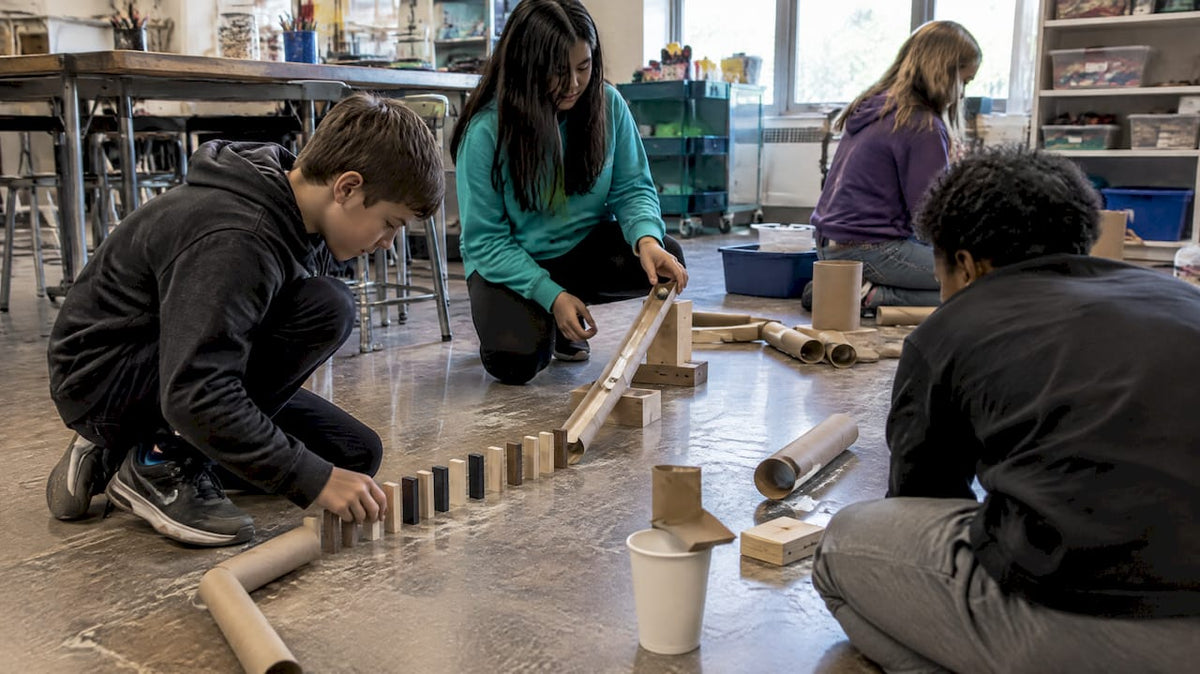
- Paper roller coaster. Goal: explore gravity, momentum, and friction. Materials: foam pipe insulation, tape, a marble, cardboard supports (30 to 40 minutes). Steps: build a track with loops and curves, then test with the marble. Safety note: keep marbles away from younger siblings who might put them in their mouths. Extension: time the marble and adjust the slope for speed.
- Marshmallow tower challenge. Goal: apply the engineering design process under constraints. Materials: 20 toothpicks, 20 mini marshmallows (18 minutes, timed). Steps: build the tallest freestanding tower before time runs out, then reflect on what failed. Extension: repeat with a wind test from a desk fan.
- Unplugged coding challenge. Goal: build sequencing and debugging logic without a screen. Materials: paper grid, pencil, small toy or token (15 minutes). Steps: write step-by-step “code” to move the token through a maze, then swap papers and debug a partner’s code. Extension: add conditional rules like “if you hit a wall, turn right.”
Grades 6-8 (ages 11-13): design iteration and applied science
- Solar oven build. Goal: apply heat transfer and reflection concepts. Materials: pizza box, aluminum foil, plastic wrap, black paper (30 minutes build, 1 to 2 hours to test with s’mores or a marshmallow). Steps: line the box with foil, add a plastic window, and angle it toward the sun. Safety note: boxes get hot. Extension: test insulation materials for faster melting times.
- Remixable design challenge. Goal: practice iteration and peer critique. Materials: recycled bottles, cardboard, tape, and a design brief card (one full session). Steps: teams build a prototype to a stated constraint, test it, then “remix” another team’s design with one improvement. Extension: hold a showcase where teams explain their design choices.
- Cardboard catapult. Goal: explore levers and projectile motion. Materials: craft sticks, rubber bands, a plastic spoon, a small pom-pom (20 minutes). Steps: build a simple lever catapult, launch for distance, and adjust the fulcrum position. Extension: graph launch distance against lever length.
- Water filtration design. Goal: connect engineering to real-world environmental problems. Materials: plastic bottles, sand, gravel, cotton balls, coffee filters, muddy water (25 minutes). Steps: layer materials in a cut bottle and pour muddy water through, then evaluate clarity. Extension: research how this links to real water treatment careers.
2. Three Mini Lesson Plans You Can Run With Almost No Prep
A good session template does the thinking for you so you can focus on the kids in front of you. Each plan below runs 45 to 60 minutes and scales up or down depending on age.
- Template 1: Single-session exploration (hook, explore, explain, reflect). Open with a 5-minute hook question like “Why do bridges not collapse?” Give 20 minutes for hands-on exploration, 10 minutes to explain the science behind what happened, and 10 minutes for reflection questions such as “What surprised you?” Scaffolding note: for younger or anxious learners, model the first step aloud before releasing them to try it alone.
- Template 2: Maker challenge using the engineering design process. Walk learners through ask, imagine, plan, create, and improve, spending roughly 10 minutes per phase. This template fits the straw bridge or marshmallow tower challenges above and can expand into a multi-session project by adding a second “improve” round the following week. Keep a running design journal so each child can track what changed between versions.
- Template 3: STEM storytelling plus literacy integration. Pair a short activity, like the solar oven build, with a 10-minute storytelling segment where learners write or narrate what their invention “experienced” during testing. Close with a 5-minute reflection and an optional take-home task, such as sketching an improved design for next time. This format works well for learners who connect more easily with narrative than with pure data.
3. Materials, Budgeting, and Quick Prep for Afterschool Settings
Most of the activities above run on supplies you can gather for a few dollars per child when you reuse and salvage materials. Cardboard, bottle caps, and foam pipe insulation are often free from recycling bins or hardware store scraps. Coin cell batteries, straws, and tape are the main recurring costs, and buying them in bulk keeps per-session spending low.
- Stock reusable tubs labeled by activity type: “circuits,” “building,” “testing,” so volunteers can grab a kit without searching.
- Keep a prep checklist taped inside each tub listing exact quantities needed per group of four.
- Pre-cut cardboard and pre-measure small items like marshmallows or straws the night before a session to save setup time.
- Sanitize shared tools between groups and wash hands before and after activities involving food items like marshmallows.
- Supervise any activity involving heat, small batteries, or sharp tools, and keep group sizes small enough for one adult to see every table.
Pro Tip: Build a rotating supply closet by grade band so a coordinator can pull a ready kit in under five minutes before a session starts.
4. Facilitation Moves That Keep Kids Thinking, Not Just Following Directions
The biggest difference between a forgettable activity and a memorable one is how you talk during it. Professional development guidance for afterschool STEM leaders recommends that facilitators scaffold discovery with open-ended questions rather than stepping in with the answer. Instead of saying “move the wheel here,” try “what happens if you move the wheel? What do you notice now?”
- Ask “how” and “why” before offering a fix: “How did you decide on that shape?” opens more thinking than “That won’t work.”
- Break groups into teams of three or four with rotating roles like recorder, materials manager, and tester so every child has a job.
- When a design fails, treat it as data: “What did we learn from that attempt?” keeps the tone playful instead of discouraging.
- Set up stations for larger groups so kids rotate through different challenges instead of waiting idle.
- Celebrate effort and iteration publicly, not just finished products, to keep the framing non-graded and low-stakes.
Pro Tip: Keep a short script on an index card, like “Tell me more about that” or “What would you try next?” so new volunteers have a go-to line when they are unsure how to respond.
5. Building Single Activities Into Multi-Session Projects
A single marshmallow tower is fun for twenty minutes. A four-week bridge-design unit, where learners test, redesign, and present their work, builds lasting skill and a sense of belonging in STEM, as explained in why project-based learning builds leaders. Project-based sequences that run several weeks or repeated sessions tend to produce deeper learning and identity development than one-off events.
- Plan a 4 to 6 session arc with a clear milestone each week: research, first prototype, testing, redesign, and a final showcase.
- Build in iteration cycles so learners revisit and improve a design at least once before the showcase.
- Track simple success measures: attendance, saved artifacts like photos or design journals, and short reflective prompts after each session.
- Run a brief continuous improvement check every few sessions, noting what worked, what to tweak, and whether engagement held steady.
- Close with a showcase, inviting families or other groups to see the finished projects and hear learners explain their choices.
6. What Research Says About Hands-On, Sustained STEM Programming
The case for hands-on, sustained afterschool STEM is not just intuition. A randomized controlled trial testing afterschool museum outreach interventions found that hands-on STEM activities in K through 5 afterschool programs significantly increased positive STEM values compared to control groups. Separately, a year-long, mentor-supported program model reported statistically significant gains in STEM content knowledge for middle-school students using undergraduate mentors and hands-on, problem-based learning.
Sustained, mentor-supported programming with regular participation and revisited problems produces measurable gains in content knowledge and 21st-century skills, according to NE STEM 4U program findings. This lines up with quality frameworks for expanded learning programs, which emphasize sustained participation and extended inquiry over isolated events, supported by continuous improvement processes that help program leaders adjust and plan. The practical takeaway: favor the multi-session arc in Section 6 whenever your schedule allows it.

7. Making Activities Inclusive and Neurodivergent-Friendly
Every activity in this guide works better when you open with a clear, non-graded frame: “There is no wrong answer here, we are testing ideas.” Informal, low-pressure settings without high-stakes testing support flexible learning that helps children who struggle in traditional classrooms feel safe enough to take risks. That framing shift alone tends to increase participation among learners who need extra reassurance before they will try something new.
- Offer sensory-friendly alternatives, like quieter stations or fidget-friendly materials, for children who find noisy group work overwhelming.
- Build in flexible roles so a child who struggles with fine-motor tasks can take the recorder or tester role instead of the builder role.
- Use role-play and storytelling, such as having kids “become” engineers or scientists for the session, to boost engagement for learners who connect through identity rather than instruction alone.
- Pair activities with short writing or drawing reflections rather than tests, which keeps the literacy connection present without added pressure.
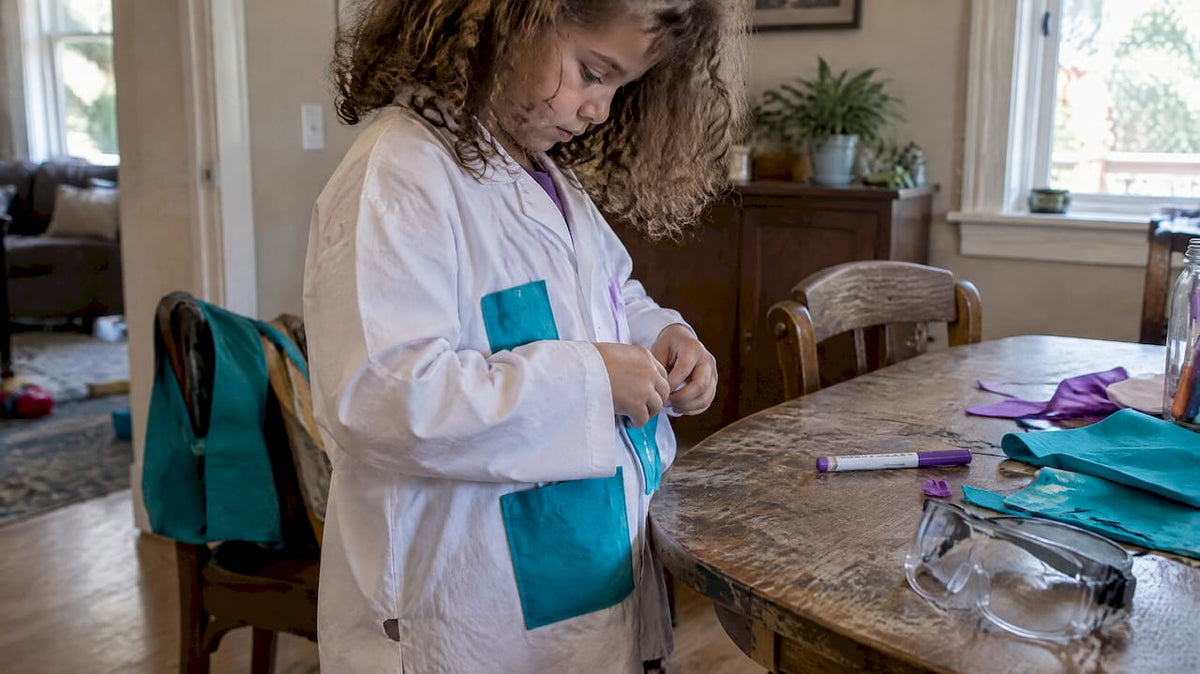
Pro Tip: A simple lab coat or name badge can turn a shy participant into an confident “scientist” for the afternoon; we cover more quick sensory-friendly ideas in our guide to identity-driven STEM activities.
8. Free Curricula and Trusted Resources Worth Bookmarking
You do not need to build every lesson from scratch. A handful of organizations maintain free, tested activity libraries that save serious prep time.
- Afterschool Network’s STEM quality elements and implementation guides offer frameworks for sustained programming and continuous improvement planning for coordinators managing multiple sites.
- National Academies’ informal learning research explains why low-pressure, flexible settings support identity development, useful background reading for new facilitators.
- State STEM specialty standards, like Indiana’s, offer a model for hands-on, inquiry-based standards and staff professional development expectations you can adapt locally.
- Seasonal activity guides, like Massachusetts STEM Week’s engineering challenges, provide ready-made one-hour design challenges when you need something fast.
Use an external curriculum when you need a fully tested plan on short notice, and adapt your own materials when you want to tie an activity to a specific group’s interests or a multi-week project arc.
9. Why Identity-Driven STEM Changed How We Think About Confidence
We started paying close attention to afterschool STEM because confidence, not just content knowledge, is what carries a child through a hard problem. Watching a reluctant learner put on a lab coat and call themselves a scientist for the first time taught us more about engagement than any worksheet could. Activities that let a child become someone, not just complete a task, tend to stick with them longest.
— Tita
10. Ready-Made Kits for Programs That Want Less Prep, More Discovery
If building kits from scratch feels like one more task on an already full plate, our screen-free Experiment Kits come fully stocked with materials, instructions, and role-play elements so a facilitator can open a box and run a session the same day. Each kit uses an Engage, Encourage, Empower method to build identity-driven confidence, with lab coats, badges, and storytelling integrated into the experience rather than added on as an afterthought.
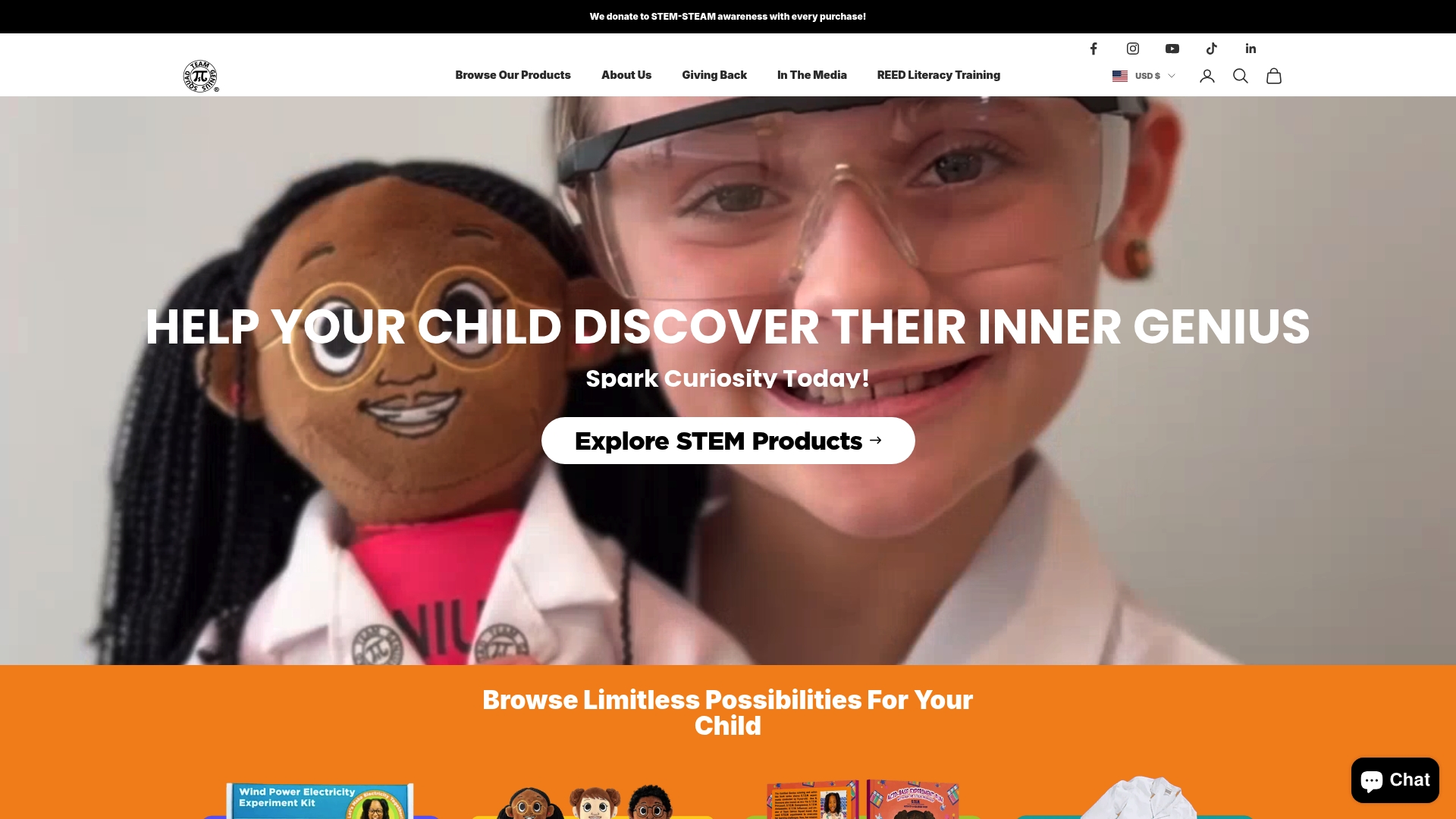
- Experiment Kits cover hands-on experiments across science topics, ready for small groups or individual use.
- Live interactive experiences are offered, including a 30-minute one-on-one Zoom session, a virtual group entrepreneurship experience, and an in-person group STEM experience, so programs can add a guided event to their lineup.
- Our facilitator-style instructional guides pair naturally with the templates in this article; see our STEAM kit instructional guide for session framing tips.
Browse the full shop all collection to find a kit or book a Meet Ava experience that fits your next session.
FAQ
What are good STEM activities for an afterschool program?
Strong choices are hands-on and low-cost, like balloon cars, straw bridges, and solar ovens, because they let kids test ideas and iterate quickly. The National Academies note that informal, low-pressure settings like these support flexible learning for a wider range of learners than traditional classroom testing.
How do I adapt STEM activities for different age groups?
Adjust complexity rather than the core concept: younger children (ages 5 to 7) do best with simple builds like plant investigations, while older groups (ages 11 to 13) can handle full design-and-iterate challenges like solar ovens or water filtration builds. Keep the underlying science the same and change only the materials, time, and independence expected.
How long should an afterschool STEM session last?
Most single-session activities fit comfortably into 45 to 60 minutes, including a short hook, hands-on exploration, and a reflection period. Multi-session projects extend this across 4 to 6 weekly sessions to build toward a final showcase, which program implementation guides associate with deeper learning than one-off events.
Why is sustained STEM programming better than one-off activities?
Research on mentor-supported, year-long programming found statistically significant gains in STEM content knowledge when participation was regular and projects revisited problems over time. One-off activities can spark interest, but repeated, scaffolded sessions build both skill and STEM identity more reliably.
How can I make STEM activities neurodivergent-friendly?
Set a clear, non-graded frame at the start, offer flexible roles so every child can contribute in a way that fits them, and provide sensory-friendly alternatives where needed. Identity-building elements, like role-play as a scientist or engineer, also help learners who struggle in traditional settings engage more fully, an approach our E³ Method was built around.
Sources
- Testing the impact of two afterschool museum outreach interventions on elementary children’s STEM outcomes
- NE STEM 4U program evaluation (pilot report)
- Learning science in informal environments: People, places, pursuits (National Academies)

Leave a comment
This site is protected by hCaptcha and the hCaptcha Privacy Policy and Terms of Service apply.