
STEAM Education Explained: A Complete K-12 Guide for 2026
What is STEAM education, and what does it actually teach?
STEAM education is a transdisciplinary learning approach that weaves together Science, Technology, Engineering, Arts, and Mathematics into a single, connected experience rather than treating each subject as its own island. The “A” is the part most people underestimate. It reaches far beyond painting and drawing to include language arts, humanities, music, drama, dance, and media, giving students multiple creative entry points into complex ideas.
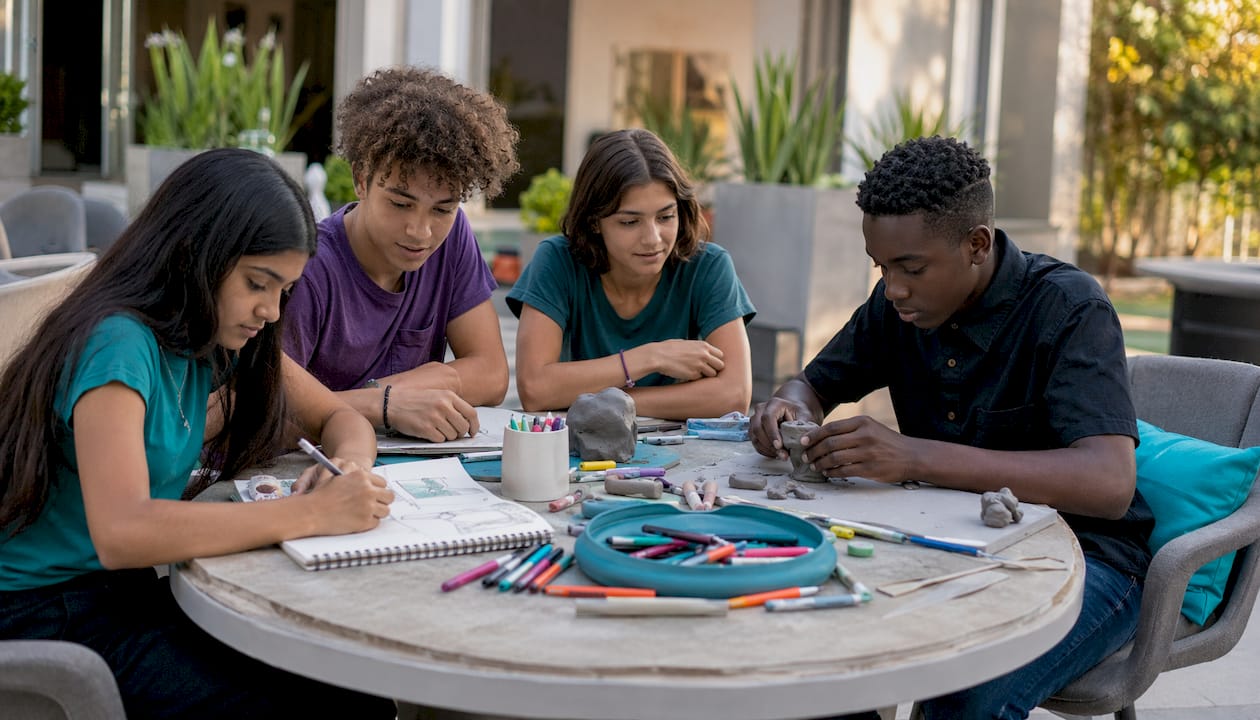
What makes STEAM genuinely different from a packed class schedule is the integration. A student designing a bridge considers physics, material costs, structural aesthetics, and a written proposal defending her choices. Every discipline informs the others. The National Art Education Association (NAEA) recognizes this interconnected model as a legitimate and rigorous educational framework, provided artistic standards are maintained alongside STEM rigor.
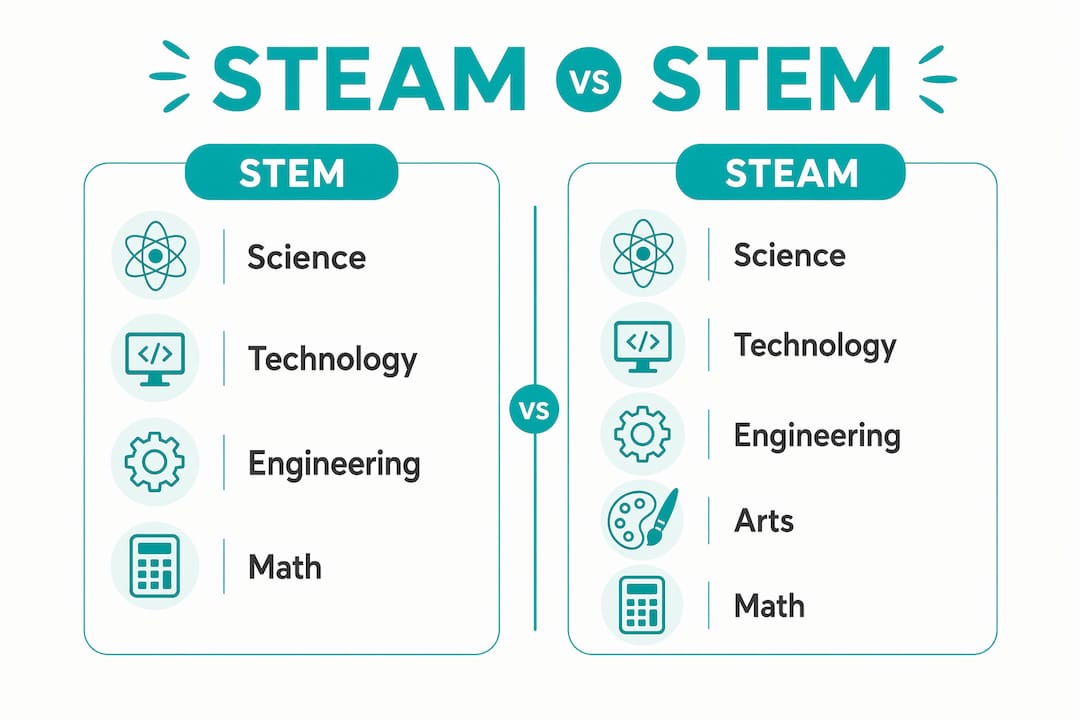
The five disciplines and how they interact:
- Science: Observation, hypothesis, experimentation, and evidence-based reasoning
- Technology: Tools, systems, and digital literacy applied to real problems
- Engineering: Design thinking, iteration, and building solutions under constraints
- Arts: Creative expression, storytelling, critical aesthetics, and humanistic inquiry
- Mathematics: Quantitative reasoning, patterns, and data interpretation
Together, these disciplines train students to think across boundaries, which is exactly the skill set that 21st-century careers demand.
How does STEAM differ from STEM education?
STEM focuses on science, technology, engineering, and math with an emphasis on logical, analytical, and scientific reasoning. That foundation is powerful, but it leaves a gap. STEAM fills it by integrating creative disciplines that engage both right-brain creative processes and left-brain logical ones simultaneously.
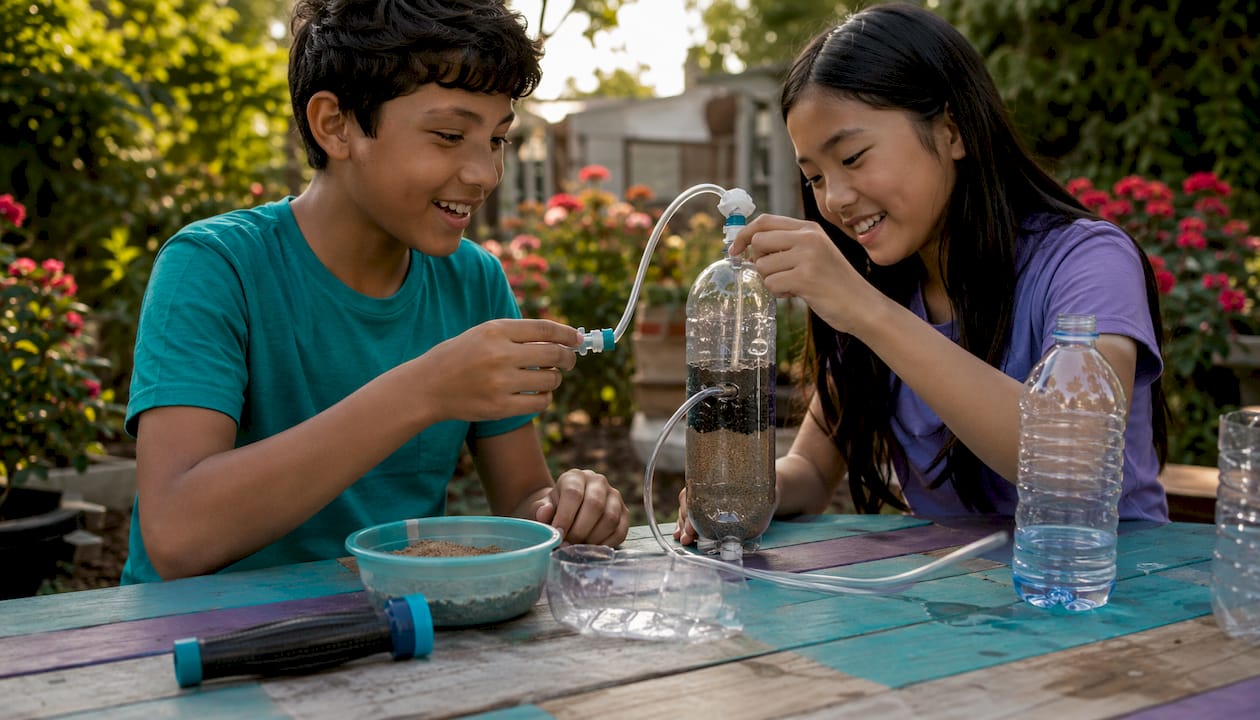
Think of it this way: a STEM lesson might ask students to build a water filtration system. A STEAM lesson asks them to build one, document the process through technical writing, present findings visually, and reflect on the community it serves. The science does not change. The depth of understanding does. You can explore this distinction further in STEAM vs STEM explained for parents and educators.
The Arts component also serves a practical function in engagement. Students who feel disconnected from pure math or science often find their way in through music theory, visual design, or storytelling. STEAM does not water down STEM content; it creates more pathways into it.
Why STEAM education matters for K-12 learners
Most K-12 students will enter careers that do not yet exist today, which means rote memorization and single-subject mastery are not enough. STEAM prepares students for that uncertainty by building a mindset, not just a skill set.
The Wisconsin Department of Public Instruction identifies several personal attributes that high-quality STEAM instruction develops alongside academic content:
- Creative problem-solving: Approaching challenges from multiple angles without a single “correct” answer
- Collaboration: Working across disciplines and perspectives, as real teams do
- Communication: Expressing complex ideas through writing, visuals, and presentation
- Critical thinking: Evaluating evidence, questioning assumptions, and refining solutions
- Resilience and adaptability: Persisting through failure and adjusting when plans do not work
STEAM as a mindset: The Space Foundation notes that STEAM develops adaptability and creativity relevant to STEM careers and well beyond them, including business leadership and the liberal arts.
STEAM also addresses a persistent engagement problem. Students who feel alienated by traditional math or science instruction often reconnect when those subjects are linked to artistic and social contexts. Connecting learning to student interests and community impact broadens who sees themselves as capable of scientific and technical thinking. That shift in identity is one of STEAM’s most underappreciated outcomes, especially for girls, students of color, and neurodivergent learners.
How to implement STEAM education effectively in K-12 schools
Effective STEAM instruction does not happen by accident. Dropping an art project into a science unit is not integration; it is decoration. Authentic STEAM requires intentional design, and the NAEA’s position statement is clear: STEAM must complement dedicated visual arts education, not replace it. Certified arts educators need a seat at the planning table.
Practical strategies that work in K-12 classrooms:
- Use the engineering design process as a spine. The cycle of identifying a problem, brainstorming, building, testing, and refining gives students a repeatable framework that applies across every discipline. The Space Foundation emphasizes that this process-oriented focus builds confidence through iteration, not perfection.
- Co-plan with arts educators. Collaboration between STEM and arts teachers is what separates authentic STEAM from a themed bulletin board. Team-teaching preserves artistic rigor while deepening STEM content.
- Assess both disciplines together. Integrated assessment combines arts standards with STEM concepts in a single project rubric. A student’s bridge design should be evaluated for structural soundness and visual communication, not one or the other.
- Prioritize hands-on, inquiry-based projects. Students learn more by doing than by watching. Real materials, real constraints, and real iteration build the kind of thinking that transfers to new situations.
- Design for diverse learners. STEAM’s multiple entry points make it naturally accessible. A student who struggles with written explanations might shine through a physical prototype or a visual diagram. Lean into that flexibility.
Pro Tip: Start small. A single cross-disciplinary project per unit, co-designed with an arts colleague, builds the habits of STEAM integration without overwhelming a teacher’s existing curriculum.
Top STEAM learning resources and programs in the United States
The good news for educators and parents is that strong STEAM resources are widely available, many at no cost. The Smithsonian Institution offers a curated collection of STEAM learning resources spanning space science, physics exhibits, artificial intelligence, climate, and coding activities, most of which are free or low-cost and designed for classroom use.
| Resource | Focus Area | Cost |
|---|---|---|
| Smithsonian STEAM Resources | Space, AI, climate, coding, physics | Free |
| Space Foundation Education Programs | Space science, engineering design | Free/low-cost |
| National Art Education Association | Arts integration standards and tools | Free resources available |
| U.S. Department of Education STEM | Federal STEM/STEAM policy and grants | Free |
Beyond these institutions, community partnerships extend STEAM access. Local museums, makerspaces, university outreach programs, and public libraries regularly offer STEAM workshops and lending libraries of materials. For families looking to bring STEAM literacy integration into the home, combining reading and writing with hands-on experiments is one of the most effective starting points. EdTech platforms also play a growing role; well-designed educational technology tools can scaffold critical thinking and collaboration skills that STEAM instruction depends on.
How Teamgeniussquad brings STEAM to life for children ages 5–13
Teamgeniussquad was built from a real family story. Founder Ava N. Simmons grew up navigating dyslexia and dysgraphia in a school system that was not designed for the way her mind worked. That experience became the blueprint for something better: hands-on, screen-free STEAM discovery kits that meet children where they are, not where a standardized test expects them to be.
Every kit runs on the trademarked E³ Method: Engage, Encourage, Empower. Children first engage with a real experiment using physical materials, then receive encouragement through guided reflection and storytelling, and finally step into the empowered role of a young innovator. Lab coats, scientist badges, and completion certificates are not just fun accessories; they are identity-building tools that help a child see herself as a creator and problem-solver before she has the vocabulary to explain what she built.
Pro Tip: For neurodivergent learners especially, the physical act of wearing a lab coat and earning a badge can shift a child’s self-perception in ways that a worksheet never will. Identity comes before mastery.
Teamgeniussquad also integrates literacy directly into the STEAM experience. Reading, writing, and reflection are woven into every kit, so children practice language skills in a context that feels purposeful rather than punitive. That combination of STEAM and literacy is one of the clearest ways the brand distinguishes itself from standard science kits.
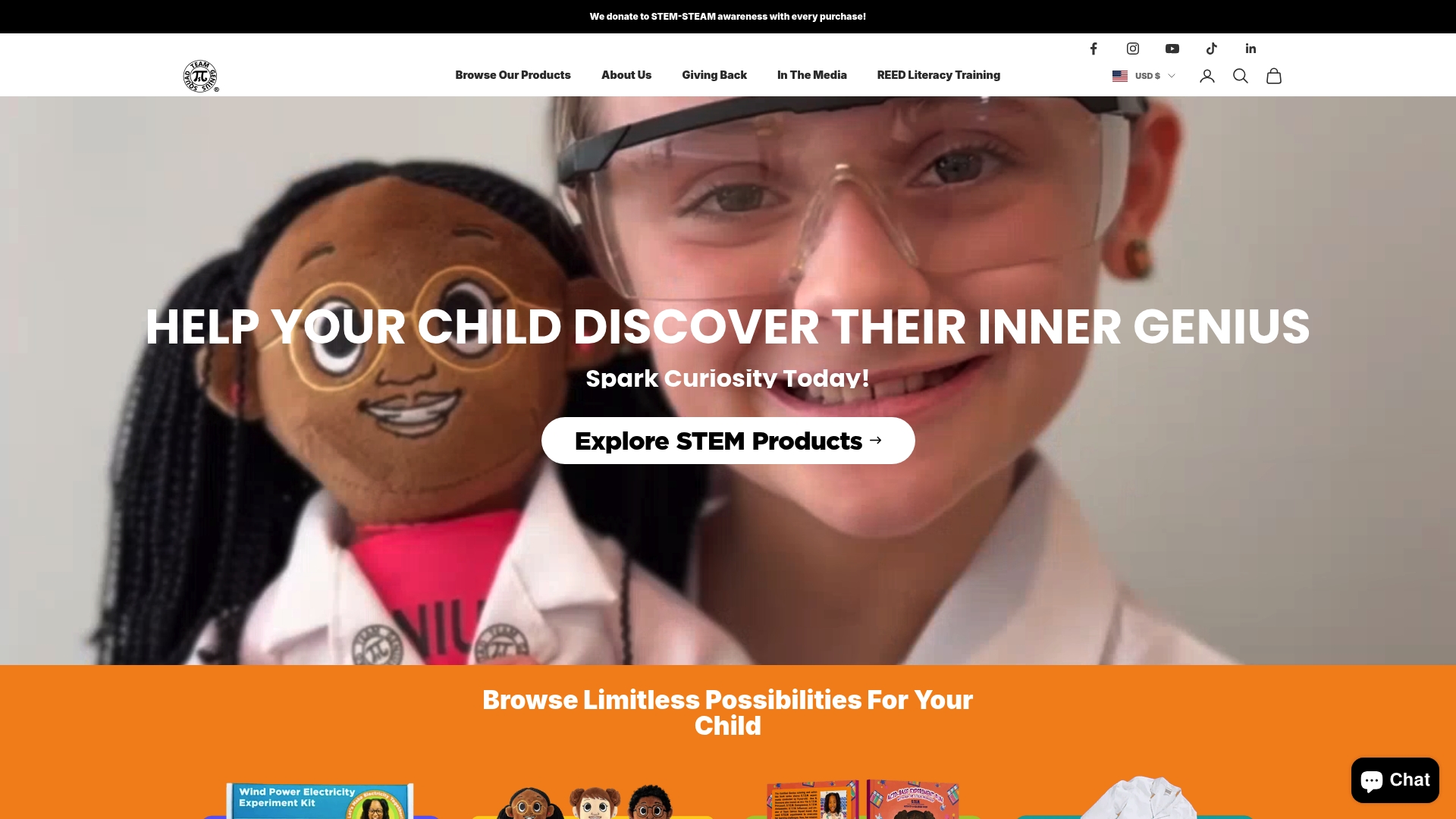
Teamgeniussquad’s discovery kits are available now. Explore the full collection and find the right kit for your young innovator at the Teamgeniussquad launch page, or start with hands-on tools like the Solar Energy Kit to spark curiosity about real-world science.
How STEAM education developed over time
STEAM did not appear overnight. Its roots trace back to arts integration movements of the early 20th century, when progressive educators like John Dewey argued that learning should connect to real experience rather than abstract recitation. The formal STEM framework gained momentum in the United States during the 1990s and early 2000s, driven by concerns about global competitiveness in science and technology fields.
The shift from STEM to STEAM gained traction in the late 2000s, largely through the advocacy of the Rhode Island School of Design (RISD), which made a public case that design thinking and artistic creativity were not soft additions to technical education but core drivers of innovation. By the early 2010s, the NAEA had issued formal position statements on STEAM, and federal education policy began acknowledging arts integration as a legitimate component of STEM learning. The U.S. Department of Education’s STEM programs today reflect that broader understanding, even as implementation varies widely across states and districts.
In 2026, STEAM is no longer a fringe idea. It is embedded in K-12 curriculum frameworks across the country, supported by national organizations, and increasingly recognized as the approach that prepares students for a world where the most pressing problems, from climate change to public health, require both scientific rigor and creative human judgment.
What are the real challenges and criticisms of STEAM education?
STEAM’s critics raise legitimate concerns, and educators deserve honest answers rather than cheerleading. The most common objection is that adding “A” to STEM dilutes scientific rigor by making room for subjective creative work. The NAEA addresses this directly: STEAM must not replace dedicated visual arts instruction, and it must not treat art as a decorative afterthought. When a school calls a coloring activity “STEAM,” that criticism lands.
A second challenge is teacher preparation. Most educators are trained in a single discipline. Asking a math teacher to authentically integrate dance or drama requires professional development, planning time, and ideally a certified arts co-teacher. Without that support, STEAM becomes a label on existing lessons rather than a genuine instructional shift.
Assessment is a third sticking point. Traditional standardized tests measure STEM content in isolation. Authentic STEAM assessment requires rubrics that evaluate both arts and STEM criteria within a single project, and most schools have not yet built those tools. Equity is also a concern: well-resourced schools can hire arts specialists and stock makerspaces, while under-resourced schools often cannot. Closing that gap requires deliberate policy attention, not just enthusiasm for the model.
None of these challenges make STEAM a bad idea. They make it a demanding one, and demanding ideas are worth getting right.
Key Takeaways
STEAM education integrates Science, Technology, Engineering, Arts, and Mathematics into a single transdisciplinary framework that builds creative problem-solving, resilience, and workforce readiness for K-12 learners.
| Point | Details |
|---|---|
| Arts expand STEM’s reach | The “A” includes language arts, humanities, music, drama, dance, and media, not just visual arts. |
| Mindset over memorization | STEAM builds adaptability and creative thinking for careers that do not yet exist today. |
| Authentic integration requires collaboration | Certified arts educators must co-plan with STEM teachers to preserve rigor in both disciplines. |
| Assessment must be dual | Effective STEAM projects are evaluated on arts standards and STEM concepts together, not separately. |
| Free resources exist nationwide | The Smithsonian and Space Foundation offer free or low-cost STEAM materials suitable for K-12 classrooms. |



Leave a comment
This site is protected by hCaptcha and the hCaptcha Privacy Policy and Terms of Service apply.