

Red Cape Symbolism: History, Culture, and Meaning
The red cape is defined as a garment of power, identity, and narrative purpose, worn across centuries to signal authority, heroism, and spiritual rank. From the papal mozzetta worn by Pope Leo XIV to the iconic red cloak of Little Red Riding Hood, this single garment carries more symbolic weight than almost any other piece of clothing in human history. You will find it in cathedral ceremonies, comic book panels, Halloween aisles, and high-end fashion collections. This article unpacks every layer of that meaning, from religious tradition to pop culture to practical costume design.
What does the red cape symbolize across history?
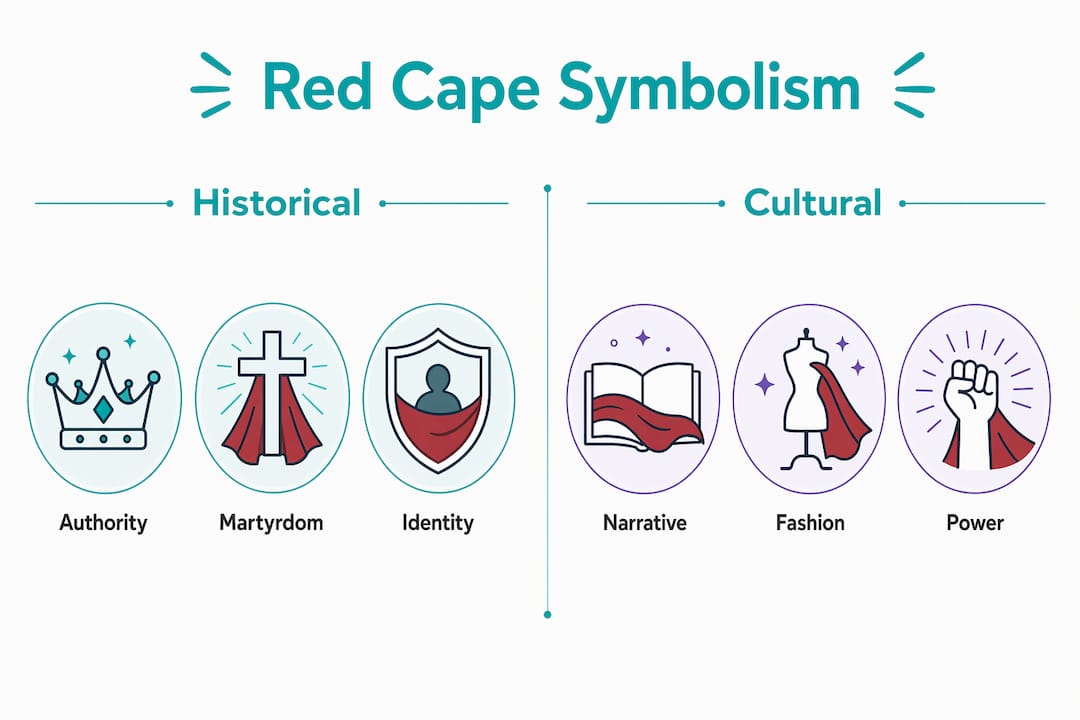
The red cape is one of the oldest symbols of authority in recorded human culture. Ancient Roman generals wore red cloaks called paludamenta to signal military command on the battlefield. The color itself communicates before a single word is spoken. Red reads as urgency, power, and presence, which is exactly why rulers, priests, and storytellers have reached for it across thousands of years.
Three core meanings attach to the red cape across most cultural contexts:
- Authority and rank: Red dye was historically expensive and difficult to produce, making red garments a marker of elite status.
- Heroism and protection: In folklore and fiction, the character wearing red is often the one who faces danger head-on.
- Visibility and identity: Red stands out against nearly every natural backdrop, making the wearer impossible to ignore.
These meanings do not exist in isolation. They layer on top of each other, which is why a single garment can simultaneously represent a pope’s spiritual jurisdiction, a fairy tale girl’s vulnerability, and a superhero’s invincibility.
What is the red cape’s role in religious tradition?
The papal mozzetta is a short red cape symbolizing spiritual authority and universal jurisdiction, and it is one of the most recognized ecclesiastical garments in the world. Pope Leo XIV revived its use for formal occasions as of June 2026, marking a deliberate return to visible tradition after Pope Francis chose not to wear it. That choice carries real weight. Clothing in the Catholic hierarchy acts as a visible marker of tradition and continuity, and Leo XIV’s decision signals a conscious alignment with centuries of papal identity.
“The mozzetta is not merely decorative. It communicates the fullness of the pope’s office to everyone in the room without a single word being spoken.” — EWTN Vatican
The pope maintains five versions of this vestment for various occasions, each calibrated to the formality of the setting. Leo XIV has worn it in meetings with royalty and during prayer services, reinforcing both continuity and tradition.
The color red in these garments carries specific theological meaning. Red signifies the blood of martyrs and the authority of ecclesiastical office, which is why cardinals also wear red robes. This is not aesthetic preference. It is a visual theology, communicating sacrifice, rank, and spiritual power to every observer. The distinction between the pope’s mozzetta and a cardinal’s robes lies in cut and detail, but the shared color binds them to the same symbolic tradition.
How do red capes function in literature and pop culture?
In storytelling, the red cape is a functional narrative device before it is a fashion choice. Red fabric contrasts visually with forest settings and natural backdrops, making the character wearing it impossible to miss. That visibility is the point. In Little Red Riding Hood, the red hooded cloak signals vulnerability and transition. The girl wearing it is conspicuous in the woods precisely because she should not be there alone. The cape marks her as both brave and exposed.

Costume designers recognize this narrative function directly. The red cape trope makes characters stand out, and that visibility becomes part of the character’s identity. This principle transfers directly from fairy tales to superhero stories.
The superhero red cape carries a different but related meaning:
- Superman’s cape signals invulnerability and moral authority. It billows behind him as a visual promise of protection.
- Thor’s red cloak in Marvel’s films connects the character to mythological tradition and divine power.
- Little Red Riding Hood costume versions for adults range from $50 to $100 depending on material, reflecting strong commercial demand for this specific archetype.
The commercial market confirms what storytellers have always known. The red cape costume sells because people want to inhabit what it represents. Whether that is heroism, danger, or mystery depends entirely on the story being told.
Pro Tip: When choosing a red cape costume for a character-based event, match the fabric weight to the character’s tone. A heavy wool cloak reads as serious and historical. A shiny polyester cape reads as playful and theatrical.
What materials work best for red cape costumes?
Material weight and composition directly affect a red cloak’s drape, durability, and overall authenticity. This is the most overlooked factor in costume selection, and it changes the entire visual impact of the garment. Here is how the main fabric types compare:
- Wool and heavy cotton: These materials offer the most authentic drape and historical accuracy. They hold their shape, move naturally with the body, and photograph well. The tradeoff is weight and care requirements.
- Polyester and velour: These are the standard for theatrical and Halloween use. They are lightweight, portable, and easy to clean. The visual impact is slightly less dramatic, but the practicality is unmatched for children’s use.
- Cotton blends: These sit in the middle ground, offering reasonable drape with easier maintenance than pure wool.
For children’s capes specifically, soft shiny red magic capes are typically sized around 24–25 inches from the hood and fit children 43–53 inches tall. These proportions matter for safety and comfort during theatrical play, photoshoots, and Halloween events.
Practical design features separate a good costume cape from a frustrating one. Arm slits, pocket storage, and appropriate length are the three features that determine wearability. A cape that drags on the ground creates a tripping hazard. Arm slits allow the wearer to use their hands without removing the garment. Pockets add utility for longer events. For children especially, these details determine whether the costume gets worn all night or abandoned after twenty minutes.
Pro Tip: For a child’s red cape intended for repeated use, choose a polyester velour with a full hood and arm slits. It survives washing, stays vibrant, and keeps kids comfortable during extended wear.
You can also find knitting patterns for children’s capelets through Lion Brand Yarn if you prefer a handmade option with a more traditional texture.
How has the red cape become a fashion statement?
The red cape in contemporary fashion carries the same symbolic weight as its historical predecessors, but designers now layer in cultural and spiritual narratives through pattern and craft. The clearest example is the Gatekeeper Classic Cloak by Lindsey Thornburg, which uses an eight-pointed star pattern derived from Lakota tradition. That design choice transforms a garment from clothing into storytelling. The wearer carries a cultural narrative on their back.
| Context | Red Cape Meaning | Primary Function |
|---|---|---|
| Religious vestments | Martyrdom and spiritual authority | Communicate rank and tradition |
| Fairy tale and literature | Vulnerability and visibility | Drive narrative and character identity |
| Superhero costume | Heroism and invincibility | Signal power and moral purpose |
| High-end fashion | Cultural heritage and spiritual story | Connect wearer to ancestral meaning |
| Children’s costume play | Imagination and role identity | Build confidence through character |
Design experts note that fashion patterns like the Gatekeeper carry spiritual and historical significance beyond aesthetics. This is the evolution of the red cloak from ceremonial garment to wearable cultural text. Modern fashion designers who work with heritage patterns are not simply making beautiful objects. They are preserving and transmitting knowledge through craft.
Red cape fashion also shows up in runway collections from houses like Valentino and Burberry, where the dramatic sweep of a red cloak signals confidence and theatrical presence. The garment works in high fashion for the same reason it works in fairy tales. It commands attention and refuses to be ignored.
Pro Tip: When wearing a red fashion cape in a modern context, let it be the focal point. Keep everything else neutral. The garment carries enough visual authority on its own.
Key takeaways
The red cape is a universal symbol of authority, identity, and visibility that functions consistently across religious tradition, literature, pop culture, and fashion.
| Point | Details |
|---|---|
| Religious authority | The papal mozzetta uses red to signal spiritual rank and martyrdom, with five versions for different occasions. |
| Literary visibility | Red cloaks in fairy tales and fiction make characters conspicuous, which drives narrative tension and character identity. |
| Superhero symbolism | Red capes in pop culture signal heroism and invincibility, from Superman to Marvel’s Thor. |
| Material matters | Wool offers authenticity and drape; polyester delivers practicality and durability for children’s costume use. |
| Cultural fashion | Heritage patterns like the Gatekeeper design transform red cloaks into carriers of spiritual and ancestral stories. |
Why the red cape never loses its power
I have spent years writing about symbols, garments, and the stories people tell through what they wear. The red cape keeps coming back to me as the single most consistent symbol across human culture. You find it in the Vatican, in children’s fairy tales, in comic books, and on fashion runways, and it means something real in every single context. That consistency is not coincidence.
What strikes me most is how the garment works on a purely visual level before any cultural knowledge kicks in. Red is the color the human eye processes first. A figure in a red cloak draws your attention before your brain has time to interpret why. Every tradition that has used this garment understood that instinct and built meaning on top of it.
The revival of the papal mozzetta by Pope Leo XIV in 2026 is a perfect example of this principle in action. The decision was not about aesthetics. It was about communicating continuity and authority to a global audience through a single visual choice. That is exactly what Little Red Riding Hood’s author understood centuries earlier, and what Marvel’s costume designers understood when they put Thor in a red cloak.
My honest view is that people underestimate how much garments shape identity. When a child puts on a red cape, something shifts. They stand differently. They move with more confidence. That is not trivial. That is the cape doing its job, the same job it has always done.
— Tita
Bring imaginative play to life with Teamgeniussquad
Red capes spark imagination, and imagination is where real learning begins. At Teamgeniussquad, we believe that when children step into a role, whether that is a fairy tale hero, a scientist, or a young innovator, they start to see themselves differently. That shift in identity is the foundation of confidence.

Our STEM-STEAM experiment kits pair perfectly with imaginative costume play, giving children the tools to be the hero of their own discovery story. From kids’ lab coats with embroidered patches to hands-on science bundles, every Teamgeniussquad product is designed to help children step fully into the role of innovator. Explore our Whole Foods Launch collection to find the perfect kit for your young genius today.
FAQ
What does a red cape symbolize in history?
The red cape symbolizes authority, rank, and spiritual power across most historical contexts. In religious tradition, red represents the blood of martyrs and the authority of ecclesiastical office.
Why does the pope wear a red cape?
The papal mozzetta is a short red cape that signals the pope’s spiritual authority and universal jurisdiction. Pope Leo XIV revived its use in 2026 as a visible marker of tradition and continuity.
What does the red cape mean in little red riding hood?
The red hooded cloak in Little Red Riding Hood symbolizes vulnerability and transition. It makes the character visually conspicuous against natural settings, which drives the story’s tension.
What fabric is best for a child’s red cape costume?
Polyester velour is the most practical choice for a child’s red cape, offering durability, easy washing, and vibrant color. Children’s capes sized for those 43–53 inches tall typically measure around 24–25 inches from the hood.
How do superhero red capes differ from historical ones?
Superhero red capes signal heroism and invincibility rather than spiritual rank. The visual function is the same as historical capes, making the wearer stand out, but the narrative meaning shifts from authority to protection and moral purpose.



Leave a comment
This site is protected by hCaptcha and the hCaptcha Privacy Policy and Terms of Service apply.