
Best stemfamilyfun.com Alternatives for Screen-Free STEAM
Top screen-free STEAM alternatives to stemfamilyfun.com
The best stemfamilyfun.com alternatives share one quality: they get children doing something, not watching something. Whether you are a parent searching for weekend activities or an educator building a homeschool curriculum, the strongest options below offer hands-on, age-appropriate STEAM experiences that fit into real family life without requiring a screen or a science lab.
Here are the leading screen-free STEAM programs and resources worth your attention:
- NASA JPL Education offers free family engineering activities spanning rocketry, hovercrafts, and science fair projects, organized by STEM subject and suitable for a wide age range.
- Science Buddies hosts hundreds of hands-on STEM activities using easy-to-find materials, with most projects completable in under an hour.
- National Inventors Hall of Fame (Invent.org) provides a free Ready, Set, STEM Handbook packed with at-home activities for elementary and middle school children, designed to be completed as a family.
- Museum of Science, Boston (EiE) publishes research-based engineering activities that build critical thinking and collaborative problem-solving, adaptable for home and classroom use.
- National PTA STEM at Home offers accessible, low-prep STEM activities grounded in everyday materials, from kitchen science to nature exploration.
- Skill Safari delivers weekly screen-free activity guides for families, requiring only household items and no prep work.
- Teamgeniussquad creates hands-on, screen-free STEAM discovery kits for children ages 5–13, powered by the proprietary E³ Method to build confidence and identity alongside science skills.
Table of Contents
- How to choose the best screen-free STEAM program for your child
- Leading screen-free STEAM alternatives available across the US
- Why Teamgeniussquad stands out for neurodivergent and confidence-building STEAM play
- What do popular STEAM kits actually cost and include?
- What families are saying about hands-on STEAM learning
- Key Takeaways
- A parent’s honest perspective on hands-on STEAM learning
- Teamgeniussquad brings confidence-building STEAM home
How to choose the best screen-free STEAM program for your child
Not every program fits every child, and the wrong fit can turn curiosity into frustration fast. Before committing to any resource, run it through a few practical filters.
Age-appropriateness and adaptability. A kit or program designed for a ten-year-old will overwhelm a five-year-old and bore a twelve-year-old. Look for offerings that clearly segment by age range or explicitly describe how activities scale up or down. The best STEAM resources for elementary students meet children where they are developmentally, not where a marketing team decided they should be.
Neurodivergent-friendly design. Children with dyslexia, ADHD, or other learning differences often thrive in tactile, low-text environments. Prioritize programs that use visual instructions, role-play, and hands-on discovery rather than dense reading passages or timed assessments.
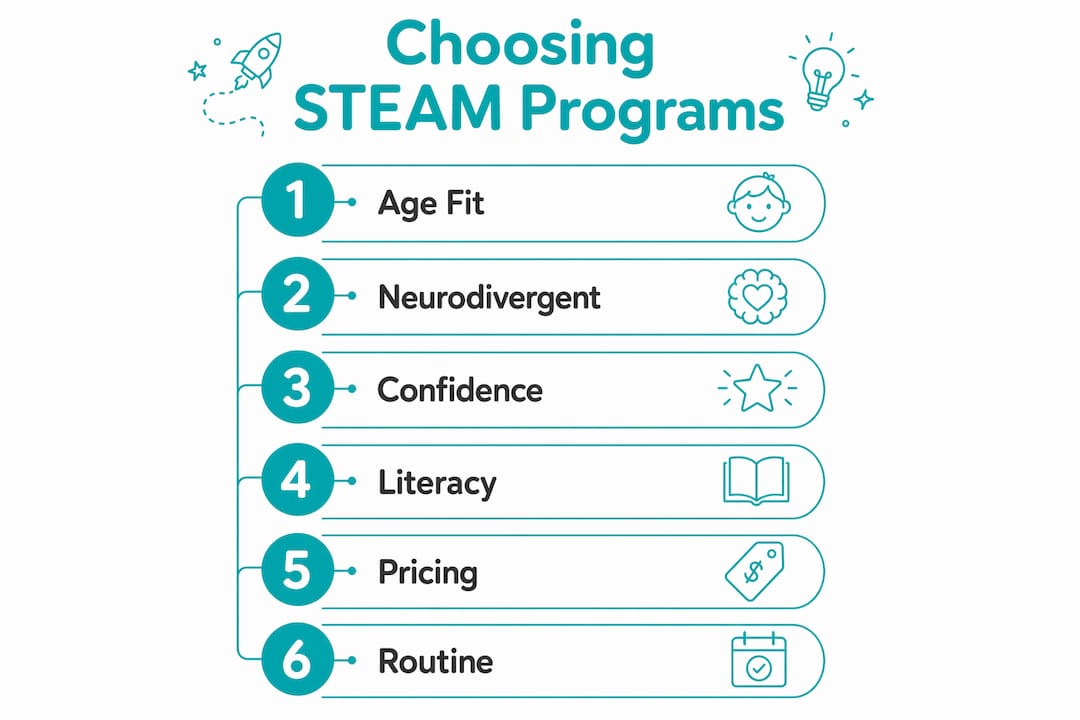
Confidence-building approach. The goal is not just completing an experiment. It is a child walking away believing they are capable. Programs that frame failure as part of the process, and that celebrate curiosity over correct answers, produce lasting engagement.
Literacy integration. The strongest STEAM programs do not treat reading and writing as separate subjects. Look for kits or curricula that weave in journaling, reflection, or storytelling, so children build language skills alongside science thinking.
Pricing flexibility. Quality STEAM activity ideas for families do not require a large budget. Many excellent options use common household items, and the National PTA confirms that the best STEM learning often requires no specialty materials at all. Look for free trials, tiered pricing, or free downloadable guides before spending.
Flexibility and routine integration. Matching activities to a child’s mood and available time prevents burnout. A program that demands a two-hour block every Saturday will not last. The best options slot into a Tuesday afternoon or a rainy Sunday morning with equal ease.
Pro Tip: Avoid over-scheduling STEAM time. The National PTA recommends embracing an iterative, low-pressure approach where children can revisit and build on activities across multiple sessions rather than treating each one as a standalone event.
Leading screen-free STEAM alternatives available across the US
The table below compares the most accessible options for families and educators, using the criteria that matter most for children ages 5–13.
| Program | Ages | Screen-Free Focus | Confidence-Building | Literacy Integration | Neurodivergent-Friendly | Pricing |
|---|---|---|---|---|---|---|
| Teamgeniussquad | 5–13 | Yes | E³ Method, role-play, badges | Yes (journaling, reflection) | Yes (dyslexia/dysgraphia-inspired) | Kits available online |
| NASA JPL Education | 5–13 | Yes | Open-ended engineering challenges | Minimal | Moderate | Free |
| Science Buddies | 5–13 | Yes | Self-directed projects | Moderate | Moderate | Free |
| National PTA STEM at Home | 5–13 | Yes | Process-over-product framing | Minimal | Yes (household materials) | Free |
| Invent.org Ready, Set, STEM | 5–13 | Yes | Inventor identity framing | Moderate | Moderate | Free |
| Museum of Science, Boston (EiE) | 5–13 | Yes | Collaborative problem-solving | Yes | Moderate | Free/low cost |
| Skill Safari | 5–13 | Yes | Skill-building through play | Minimal | Yes (no-prep, flexible) | Subscription |
Availability across US regions is strong for all free digital resources, since they are downloadable or web-based. Physical kits like those from Teamgeniussquad ship nationally, making them accessible whether you are in a rural area without a science museum nearby or an urban household looking for off-screen weekend enrichment.
Why Teamgeniussquad stands out for neurodivergent and confidence-building STEAM play
Most STEAM kits hand a child a bag of materials and a set of instructions. Teamgeniussquad does something fundamentally different: it hands a child an identity.
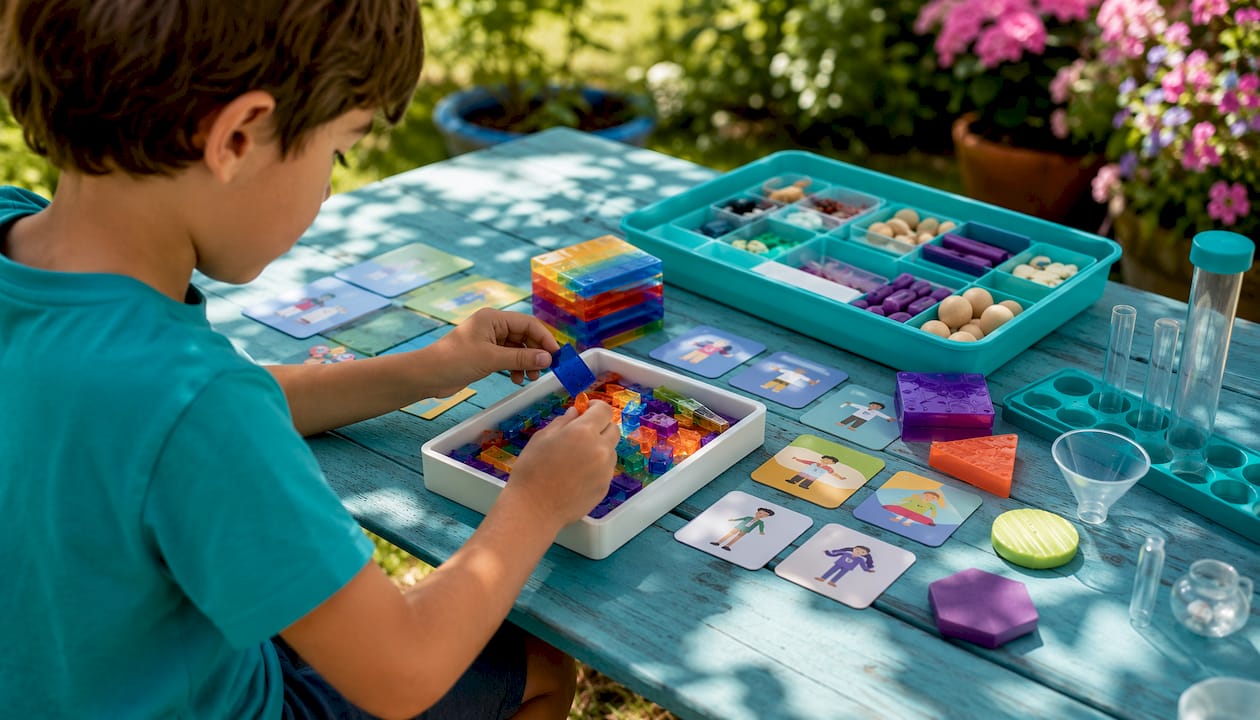
The brand’s proprietary E³ Method, Engage, Encourage, Empower, guides every kit from the first moment of exploration through to the point where a child genuinely believes in their own ability to solve problems. Children do not just complete experiments. They step into the role of young innovators, wearing lab coats, earning badges, and receiving certificates that mark their discoveries as real achievements.
The STEAM and literacy integration built into each kit means children are reading, writing, and reflecting alongside their experiments, not instead of them. For neurodivergent learners especially, this inclusive STEAM approach reduces the anxiety that comes from text-heavy, performance-focused learning environments.
What do popular STEAM kits actually cost and include?
Understanding what you get for your money helps you choose wisely rather than defaulting to the cheapest or the most expensive option.
Free resources from NASA JPL, Science Buddies, and the National PTA provide activity guides and printable instructions at no cost, but they require you to source your own materials and plan your own sessions. That works well for organized, time-rich households. For busy parents, the prep burden is real.
Subscription-based platforms like Skill Safari charge a monthly fee comparable to a streaming service and deliver weekly activity guides. No kit is shipped; you gather household items yourself. The value is in the curation and the consistency.
Physical STEAM kits, including those from Teamgeniussquad, include all or most materials in the box, along with role-play props, guided experiment instructions, and identity-building tools like lab coats and certificates. The experiment kits from Teamgeniussquad are designed so that children can begin immediately without a parent spending an hour sourcing supplies. For families where time is the scarcest resource, that ready-to-go format carries genuine value.
The National PTA makes an important point worth holding onto: many quality STEAM activities require only common household items. The process matters more than the materials. A premium kit earns its price through design, identity-building, and confidence outcomes, not through the cost of the supplies inside.
What families are saying about hands-on STEAM learning
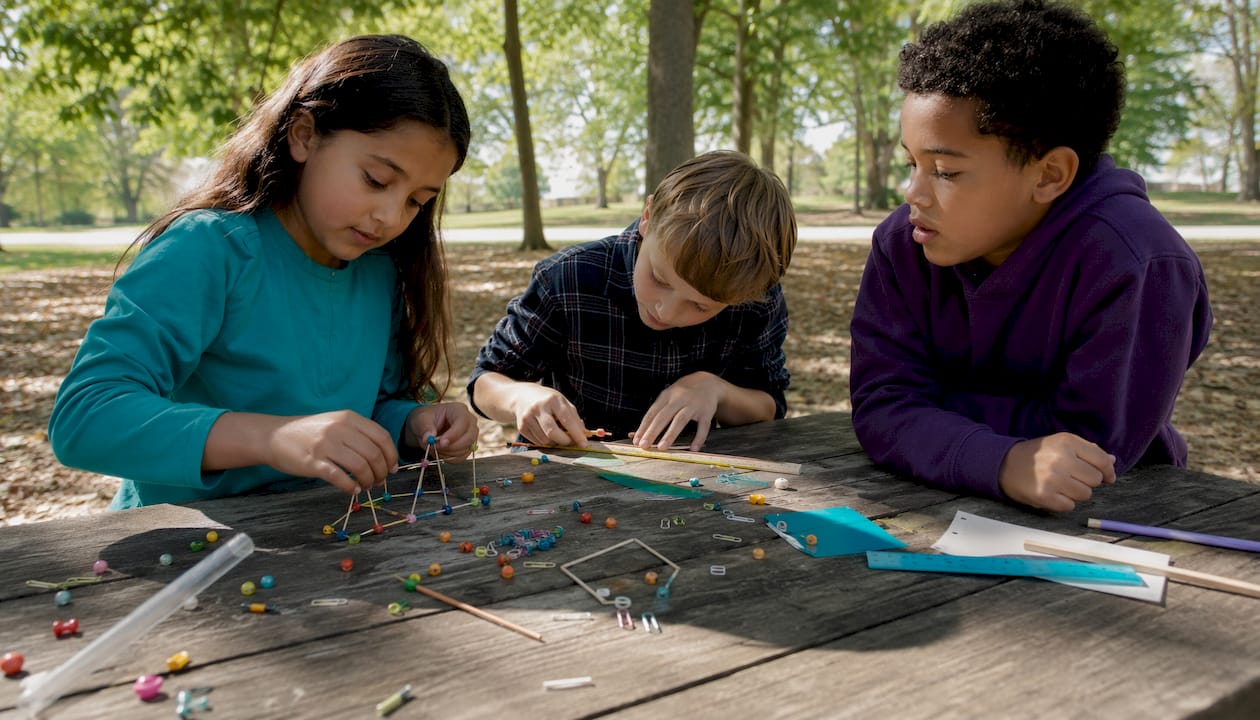
Parents and educators consistently report that the shift from screen-based to hands-on STEAM activities produces a visible change in children’s confidence and persistence. Children who previously disengaged from science subjects begin to describe themselves as “scientists” or “inventors” after sustained tactile learning experiences.
Educators using neurodivergent-inspired kits note that children who struggle with traditional reading-heavy curricula often excel when given visual, hands-on instructions and a clear role to play within the activity. The identity-building element, becoming a scientist rather than just doing science, appears to be a significant driver of that shift.
Families using Teamgeniussquad kits specifically highlight the role-play components as the detail that keeps children returning to the activity. A badge earned or a certificate received after completing an experiment gives children a concrete, tangible marker of their own capability, something a worksheet rarely provides.
Key Takeaways
Screen-free, hands-on STEAM programs that combine identity-building, neurodivergent-friendly design, and literacy integration produce the most sustained confidence and curiosity in children ages 5–13.
| Point | Details |
|---|---|
| Prioritize adaptability | Choose programs that flex to your child’s mood, age, and available time to prevent frustration. |
| Process over materials | Quality STEAM learning often uses household items; a premium kit earns its price through design and confidence outcomes. |
| Neurodivergent-friendly design matters | Visual instructions, role-play, and low-text formats help all learners, especially those with dyslexia or ADHD. |
| Literacy integration adds lasting value | Programs that weave in reading, writing, and reflection build language skills alongside science thinking. |
| Teamgeniussquad’s E³ Method | Engage, Encourage, Empower framework turns experiments into identity-building experiences for children ages 5–13. |
A parent’s honest perspective on hands-on STEAM learning
Screen-free STEAM learning is often sold as an educational strategy. What it actually is, at its best, is a relationship builder.
When a child and a parent sit down to build a hovercraft or conduct a chemistry experiment together, something shifts. The child stops performing for a grade and starts exploring for the joy of it. The parent stops supervising and starts genuinely discovering alongside their child. That dynamic is harder to manufacture than any curriculum can promise, but the right program creates the conditions for it.
What most guides underestimate is the role of identity in sustaining that engagement. A child who completes one experiment has had a fun afternoon. A child who sees themselves as a scientist, who has a badge and a lab coat and a certificate to prove it, has a new story about who they are. That story carries forward into the next activity, the next school year, the next challenge.
The conventional wisdom says to keep STEAM light and low-pressure, which is correct. But it stops short of the deeper insight: children need to feel like they belong in science, not just that they visited it once. Role-play, storytelling, and identity-building are not extras. They are the mechanism by which curiosity becomes confidence.
Avoid the trap of over-scheduling. One rich, unhurried STEAM session per week, where a child can revisit and build on what they started, will outperform five rushed activities every time. The goal is a child who asks to do it again, not one who has checked it off a list.
Teamgeniussquad brings confidence-building STEAM home
If you have been searching for educational family fun alternatives that go beyond a printable worksheet or a YouTube tutorial, Teamgeniussquad offers something genuinely different: a complete, ready-to-use STEAM experience that arrives at your door with everything your child needs to become a young innovator.
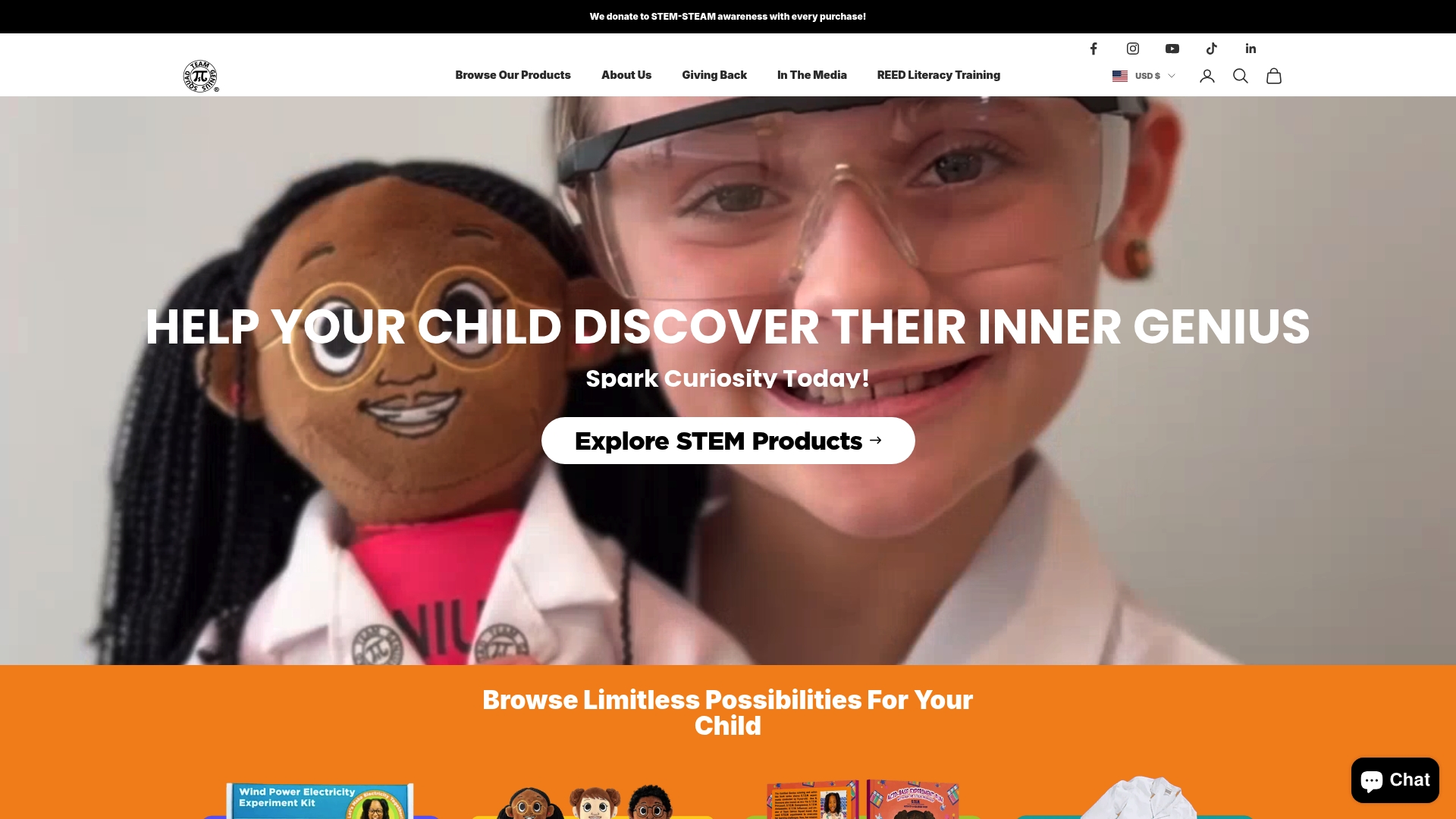
Where free resources ask you to plan, source, and facilitate, Teamgeniussquad’s hands-on experiment kits do the heavy lifting. The E³ Method is built into every kit, so the confidence-building happens by design, not by chance. For children who have struggled in traditional learning environments, including those with dyslexia or dysgraphia, the neurodivergent-inspired design means the kit meets them where they are. For parents and educators who want STEAM to stick, the identity-building tools, lab coats, badges, and certificates, give children a reason to come back.
Visit shop.teamgeniussquad.com to browse the full collection and find the kit that fits your child’s age, interests, and learning style.

Leave a comment
This site is protected by hCaptcha and the hCaptcha Privacy Policy and Terms of Service apply.