DIY Fashion Projects That Transform Your Wardrobe
DIY fashion projects are the practice of customizing, altering, or upcycling clothing and accessories to create personalized, one-of-a-kind pieces using tools and techniques accessible to beginners. You do not need a fashion degree or a professional sewing studio to build a wardrobe that feels entirely your own. Whether you reach for safety pins, scissors, or a basic sewing machine, the results can look polished, intentional, and genuinely creative. This guide covers the tools you need, quick no-sew wins, beginner sewing projects, and the sustainable case for upcycling your existing clothes.
What tools and materials do you need for DIY fashion projects?
The right starting kit makes every project faster and less frustrating. For no-sew work, you need scissors, safety pins, fabric glue, and a measuring tape. For beginner sewing, add a needle, thread, sewing clips, half-inch elastic, and ideally a basic sewing machine. You do not need to buy everything at once.
The best source for project materials is your own closet or a local thrift store. Vintage scarves, oversized T-shirts, and button-down shirts are all strong candidates for upcycled clothing ideas. Thrift stores like Goodwill and Salvation Army regularly stock these items for under $5 each. Sourcing this way keeps costs near zero and reduces textile waste before you even start sewing.
| Tool | No-sew projects | Beginner sewing projects |
|---|---|---|
| Scissors | Required | Required |
| Safety pins | Required | Optional |
| Fabric glue | Required | Optional |
| Needle and thread | Not needed | Required |
| Sewing machine | Not needed | Recommended |
| Half-inch elastic | Not needed | Required for waistbands |
| Sewing clips | Not needed | Required |
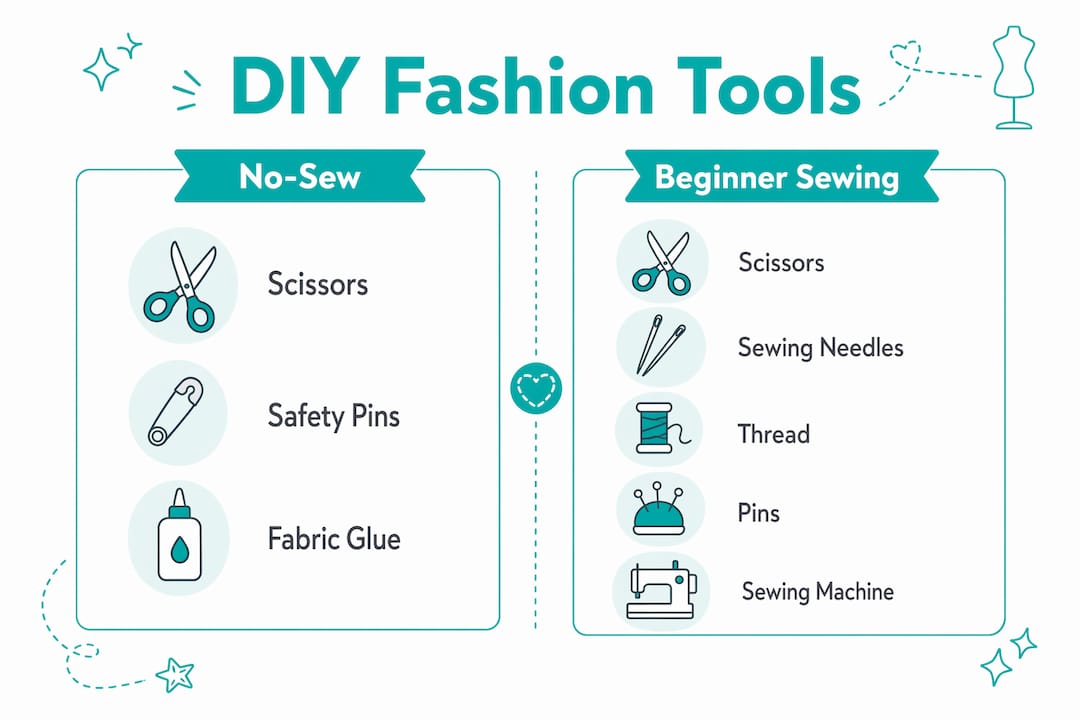
The table above shows that no-sew projects have a lower barrier to entry. That makes them the smartest starting point if you are new to fashion DIY tutorials.
Pro Tip: Raid your closet before buying anything. An old T-shirt, a forgotten scarf, or a button-down you never wear are all free raw materials waiting for a second life.
How can you create quick no-sew fashion projects?
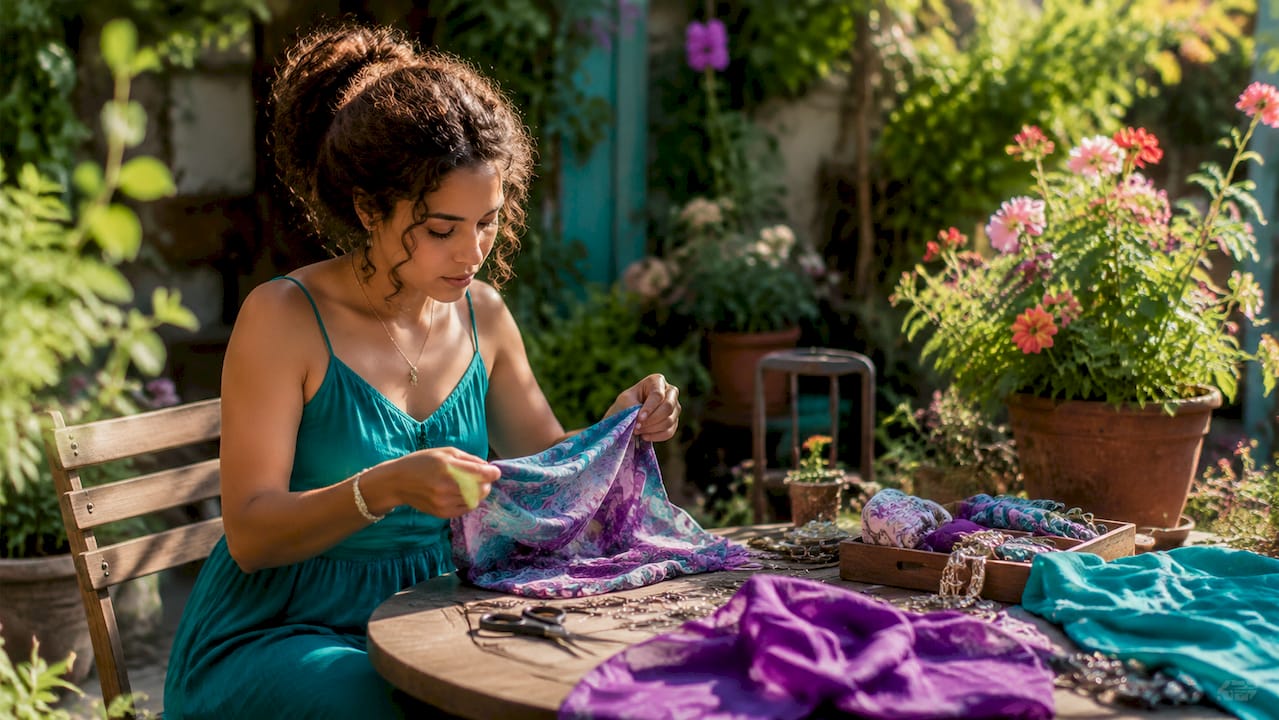
No-sew techniques are the fastest path to a customized wardrobe. No-sew projects like transforming a vintage scarf into a halter top take about 10 minutes and cost effectively $0 when you use items you already own. That speed and zero cost make them the ideal entry point for anyone exploring sustainable fashion hacks.
The vintage scarf halter top is one of the most satisfying beginner projects. Here is how to do it:
- Lay the scarf flat in a diamond shape with one point facing you.
- Fold the top point down to meet the center of the scarf.
- Bring the left and right points behind your neck and tie them securely.
- Pull the bottom point down to your desired length and secure it with a safety pin at the back.
- Adjust the fit and check the drape in a mirror.
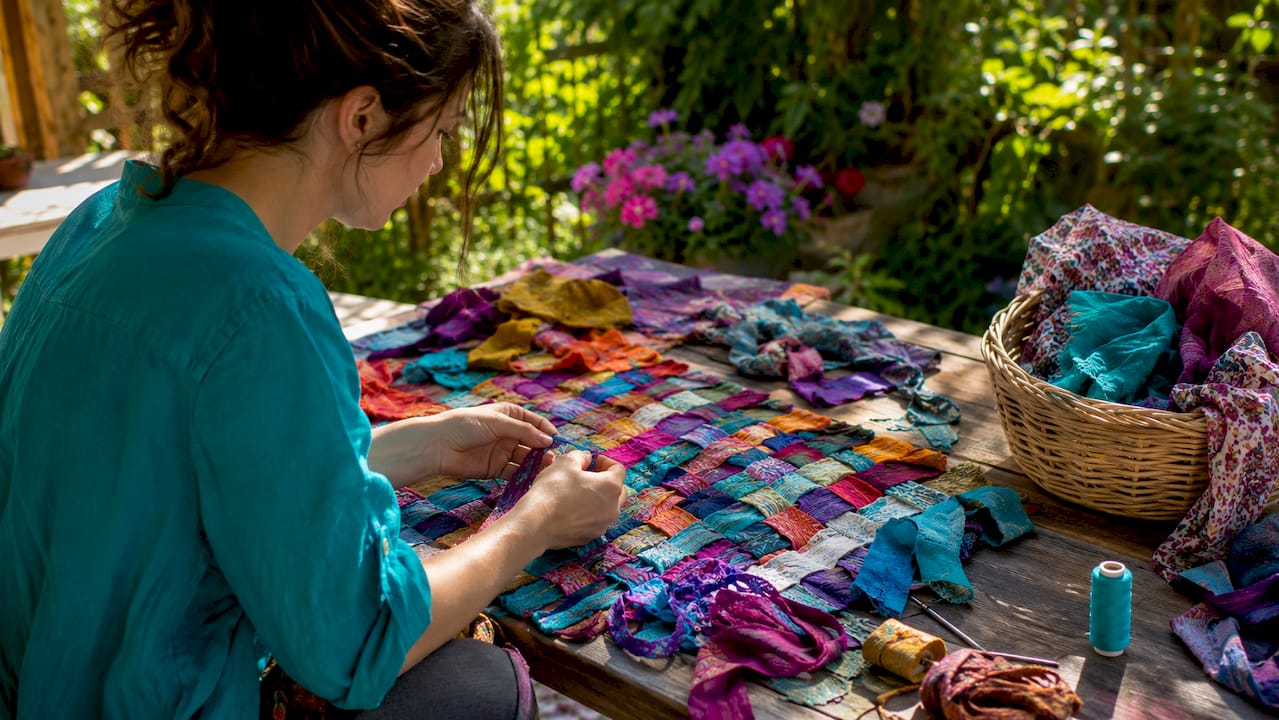
Beyond scarves, no-sew modifications like adjusting hemlines, cutting necklines, or removing sleeves can customize vintage or unisex garments quickly without hours of work. Fabric glue opens up even more options. You can attach iron-on patches, decorative trim, or lace panels to a plain jacket or denim skirt in under 20 minutes.
Pro Tip: Use natural light and a full-length mirror when fitting no-sew pieces. Artificial light flattens texture and makes it harder to see how a draped garment actually falls on your body.
What beginner sewing projects help you upcycle clothing?
Simple sewing projects build real skills without requiring complex patterns. A DIY T-shirt sundress made from two oversized shirts is one of the best beginner-friendly easy sewing projects available. You need two oversized shirts, half-inch elastic, thread, scissors, and sewing clips. No pattern is required.
Here is the basic process for the T-shirt sundress:
- Cut the sleeves and neckline off both T-shirts.
- Sew the two shirts together at the hem, right sides facing each other.
- Fold the top edge of the joined fabric over to create a casing for the elastic.
- Thread the elastic through the casing and sew the ends together.
- Try on the dress and adjust the length by trimming the bottom hem.
Upcycling button-down shirts into asymmetrical tops is another strong beginner project. The existing hem curves on a button-down shirt act as ready-made design features. You repurpose that structure instead of drafting a new pattern, which cuts errors significantly.
Once you are comfortable with basic seams, learn the French seam technique. French seams hide raw edges inside the seam itself, delivering a clean, professional finish with only a standard sewing machine. No serger needed. This single technique separates homemade-looking garments from polished, wearable pieces.
- Gather your materials before you start cutting.
- Press seams with an iron after each step for cleaner results.
- Use sewing clips instead of pins on stretchy fabrics to prevent distortion.
- Sew a test seam on scrap fabric before working on the actual garment.
Pro Tip: Practice your stitch length and tension on a scrap piece of the same fabric you plan to use. Different fabrics behave differently, and a two-minute test saves you from unpicking an entire seam.
Why does upcycling matter for sustainability and personal style?
Upcycling is the most direct way to reduce your personal fashion footprint. Producing one pair of jeans consumes nearly 3,800 liters of water. That number puts the environmental cost of fast fashion into sharp focus. Every garment you rework instead of replace removes one item from that production cycle.
Sustainable fashion experts point out that effective upcycles do more than mend. Focusing on silhouette refinement rather than simply saving a garment is what makes the result feel intentional and current. A T-shirt with a cropped hem and a new neckline reads as a deliberate design choice. The same shirt with a patched hole reads as repaired. The difference is in the thinking, not the difficulty.
Upcycling also builds a wardrobe that no one else has. Thrifted and reworked pieces carry a visual identity that mass-produced clothing cannot replicate. That uniqueness is a genuine style advantage.
“Start small with simple reworks to build creativity and ease.” — Kristin Juszczyk, entrepreneur and upcycling advocate
Sustainable practices worth building into your routine include:
- Buying secondhand before buying new.
- Reworking unworn items before donating them.
- Using fabric scraps for patches, trim, or accessories.
- Choosing natural fiber garments for upcycling because they hold dye and stitching better.
- Sharing finished projects on platforms like Instagram or Pinterest to inspire others.
What mistakes should you avoid in DIY fashion projects?
The most common mistake is starting too complex. Starting with small modifications like patches, buttons, or embroidery builds confidence before you attempt full garment reshaping. Jumping straight to a structured jacket or a fitted dress without foundational skills leads to frustration and abandoned projects.
Poorly finished edges are the second most visible sign of a rushed project. Raw edges fray after washing and make even well-designed pieces look unfinished. French seams and folded hems solve this problem without requiring advanced tools.
“Experienced sewers find no-sew modifications highly effective for customizing fit and style quickly.” — Wardrobe Oxygen
Key habits that separate good results from great ones:
- Press every seam with an iron before moving to the next step.
- Use the garment’s existing structure, like hem curves or existing seams, as design anchors.
- Watch fashion DIY tutorials on YouTube or follow creators on TikTok before starting unfamiliar techniques.
- Measure twice before cutting. Fabric cannot be uncut.
- Accept that your first project will not be perfect. Skill builds with repetition.
Pro Tip: Keep a small sewing kit with a seam ripper, extra thread, and a few safety pins in your workspace. Mistakes happen, and a seam ripper lets you fix them cleanly without damaging the fabric.
Key takeaways
The most effective approach to DIY fashion projects combines no-sew techniques for quick wins, simple sewing for lasting results, and upcycling as a sustainable habit that builds a genuinely personal wardrobe.
| Point | Details |
|---|---|
| Start with no-sew projects | A vintage scarf halter top takes 10 minutes and costs nothing using items you already own. |
| Build a basic tool kit | Scissors, safety pins, elastic, and a sewing machine cover the majority of beginner projects. |
| Use garment structure | Existing hem curves and seams reduce pattern complexity and cut errors on upcycled pieces. |
| Upcycle for sustainability | One pair of jeans requires nearly 3,800 liters of water to produce, making upcycling a meaningful choice. |
| Refine silhouette, not just mend | Intentional design changes make upcycled garments look current rather than simply repaired. |
Why I think the best wardrobe you will ever own is the one you make yourself
I started with no-sew projects because sewing felt intimidating. A vintage scarf, two safety pins, and ten minutes gave me a halter top that got more compliments than anything I had bought that year. That small win changed how I thought about my closet entirely.
The shift from no-sew to sewing happened gradually. I added one skill at a time: a straight seam, then a folded hem, then French seams. Each small success made the next project feel possible. That progression is the real value of starting simple. You are not just making clothes. You are building a creative identity and a set of skills that compound over time.
The sustainability piece matters too, but it became personal rather than abstract once I understood the numbers behind textile production. Reworking what I already own feels like a genuine act of creativity, not a compromise. The pieces I have altered or upcycled are the ones I reach for most, because they fit exactly right and look like no one else’s wardrobe. That is the reward no fast fashion haul can replicate.
— Tita
Start your hands-on creative journey with Teamgeniussquad
Creativity does not stop at the closet. If you love the hands-on satisfaction of making something from scratch, Teamgeniussquad builds that same spirit into every kit it creates. Teamgeniussquad designs screen-free, hands-on discovery kits that turn curiosity into confidence, whether the project involves fabric, circuits, or science.
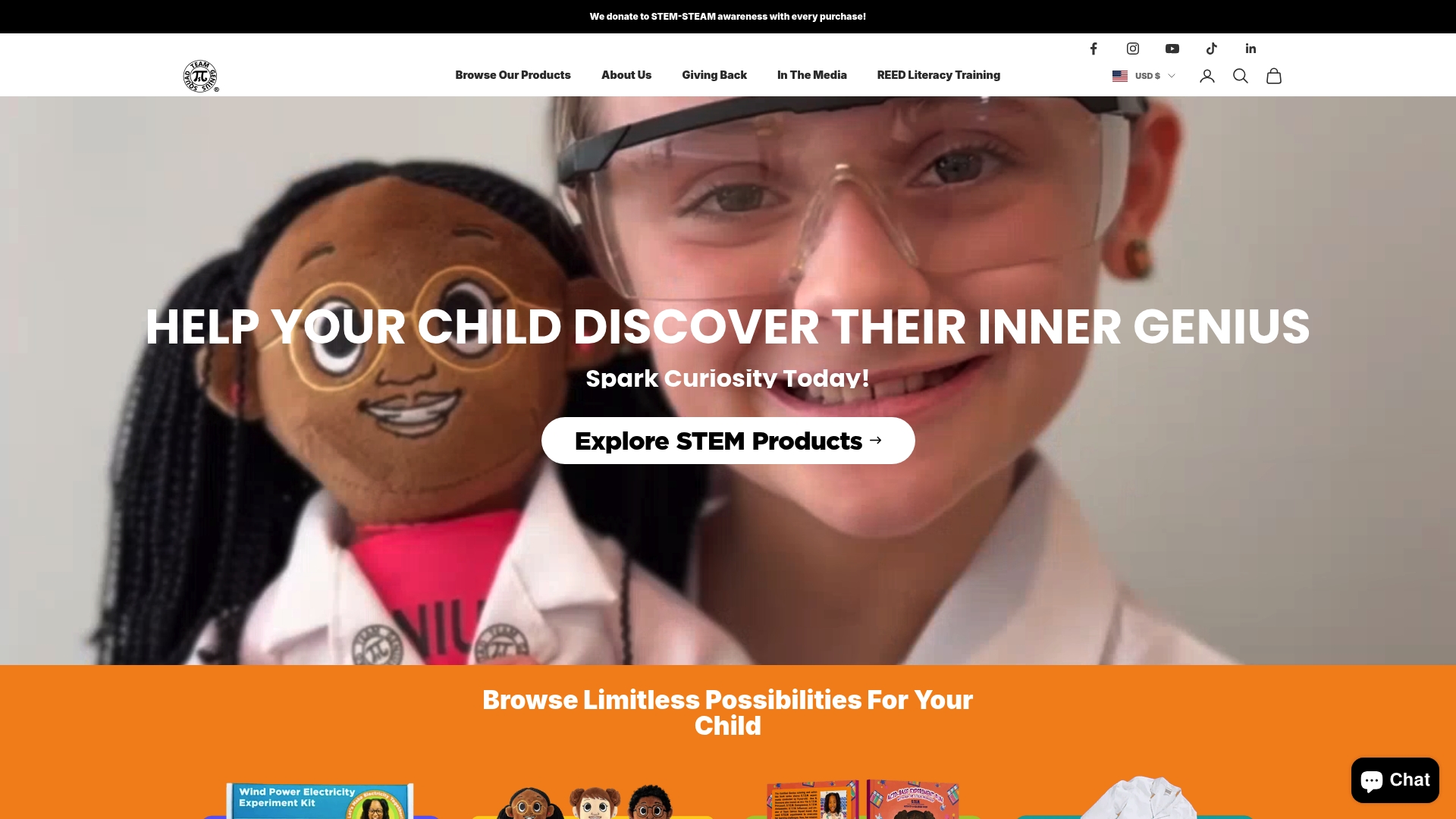
The Teamgeniussquad experiment kits bring that same make-it-yourself energy to STEAM learning, giving young creators the tools to build, test, and discover. If you are looking for customizable accessories and creative projects that go beyond fashion, Teamgeniussquad has a full collection worth exploring. Every kit is designed to make the process as rewarding as the finished result.
FAQ
What is the easiest DIY fashion project for beginners?
Transforming a vintage scarf into a halter top is the easiest starting point. It takes about 10 minutes and requires only safety pins and a scarf you already own.
Do I need a sewing machine for DIY fashion projects?
No. Many projects use only scissors, safety pins, and fabric glue. A sewing machine expands your options but is not required for no-sew modifications or quick customizations.
How do I get professional-looking finishes on homemade clothes?
Use the French seam technique to enclose raw edges inside the seam. This delivers a clean finish with a standard sewing machine and no serger required.
What clothes are best for upcycling?
Oversized T-shirts, vintage scarves, and button-down shirts are the most versatile starting points. Natural fiber garments hold stitching and dye better than synthetic blends, making them easier to alter and rework.
How does upcycling clothing help the environment?
Upcycling reduces demand for new textile production. Producing one pair of jeans uses nearly 3,800 liters of water, so reworking existing garments directly lowers that environmental cost.

Leave a comment
This site is protected by hCaptcha and the hCaptcha Privacy Policy and Terms of Service apply.