Real Young Inventors Stories That Turn Kids Into Creators
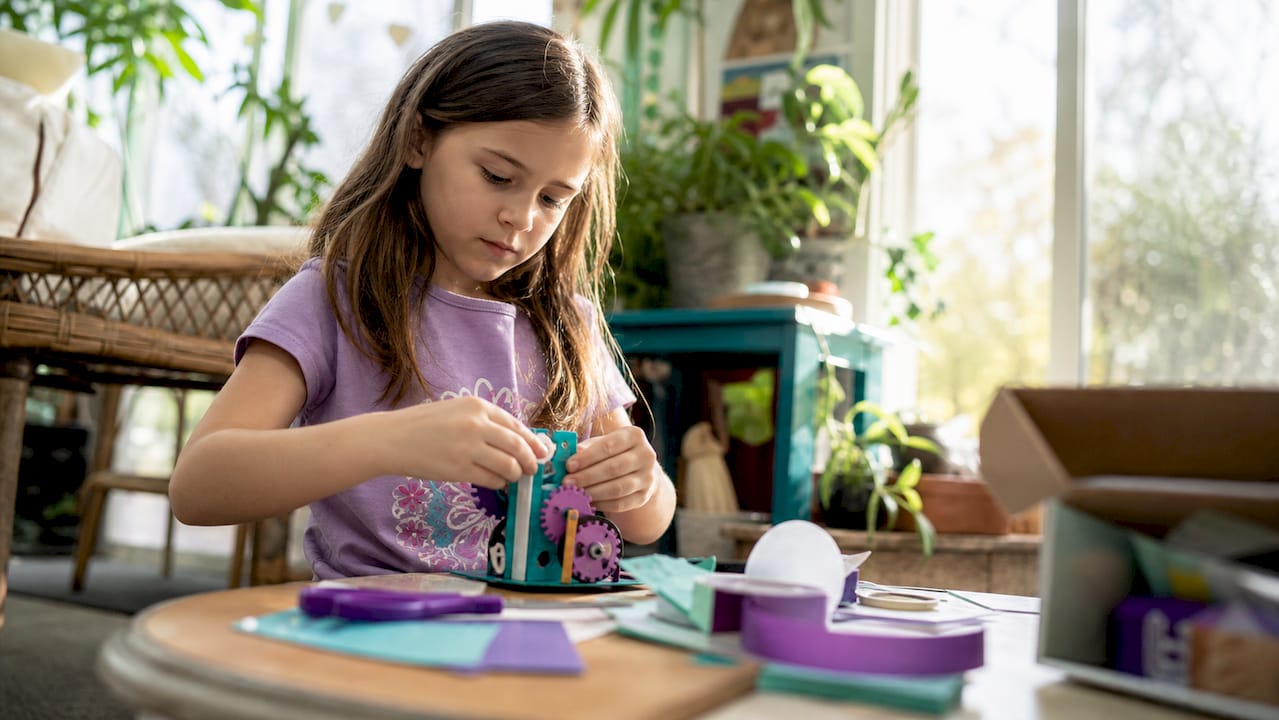
Yes, real, recent young inventors exist, and their stories make ready-to-run lessons for kids ages 7 to 13. The USPTO’s Journeys of Innovation series, the Invention Convention network, and hands-on brands like Teamgeniussquad all prove that inventing isn’t reserved for adults with lab coats and decades of schooling. It starts with curiosity a kid already has.
You don’t need a science degree to use these stories well. Try this three-step approach with any child in your life, focusing on types of child-focused storytelling that build real imagination:
- Read a short profile of a young inventor together.
- Ask three questions: Why did they invent it? Who did it help? How did it work?
- Try a five-minute sketch or a short investigation inspired by the same problem.
That’s it. The stories below give you the raw material.
Key Takeaways
Real young-inventor stories work best when paired with a short WHY/WHO/HOW discussion and a hands-on follow-up activity, not passive reading alone.
| Point | Details |
|---|---|
| Use named, credible sources | Pull profiles from USPTO Journeys of Innovation and Invention Convention rather than generic anecdotes. |
| Apply the WHY/WHO/HOW method | Ask why the inventor cared, who benefited, and how the invention worked before any activity. |
| Quantify outcomes when possible | Mia Heller’s filter removed 95.52% of microplastics in testing, a concrete number kids can grasp. |
| Differentiate by age and need | Younger kids sketch and discuss; older kids test variables; neurodivergent learners benefit from role-play. |
| Convert stories into investigations | Use the story-to-issue method to turn a decision point into a testable “whether” question. |
Table of Contents
- Inspiring Young Inventors Stories Worth Sharing With Kids
- How to Turn These Young Innovators Stories Into Activities
- A Story-to-Issue Lesson You Can Run in One Class Period
- Where to Find More Young Inventors Stories and Programs
- The Adults Behind the Stories: Mentors Who Make Invention Possible
- Why Story-Driven Invention Works Better Than Worksheets
- Frequently Asked Questions
- Sources
Inspiring Young Inventors Stories Worth Sharing With Kids
Every one of these inventors started as a kid who noticed a problem and refused to shrug it off. Here are six stories worth reading aloud, each with a classroom or kitchen-table prompt attached.
-
Gitanjali Rao. At 15, Rao built Tethys, a portable device that detects lead in drinking water faster than standard lab testing, work that earned her national recognition and a spot among the USPTO’s featured young inventors. Prompt: WHY did she care about lead in water? WHO benefits when contamination gets caught early? HOW might a portable sensor beat a slow lab test?
-
Damian Earley. As a teenager, Earley noticed that garbage bins kept tipping over in windy weather and designed a stabilizer to fix it, eventually receiving pro bono patent support through invention programs and earning a U.S. patent for his design. Prompt: WHY did a tipping bin matter enough to fix? WHO deals with that mess? HOW did he test different stabilizer shapes before landing on one that worked?
-
Mia Heller. A high school student built a ferrofluid-based water filter that removed 95.52% of microplastics in testing and recycled 87.15% of the ferrofluid used in the process, work strong enough to make her a finalist at Regeneron ISEF, according to Smithsonian Magazine. Prompt: WHY does removing almost all microplastics matter for drinking water? WHO would use a filter like this? HOW did she likely measure whether it worked?
-
Katia Avila and the Garey High School InvenTeam. Rather than one inventor working alone, this student team tackled a community problem together through a Lemelson-MIT InvenTeam grant, showing that invention often works better as a group sport, not a solo act.
-
Ishanvi Sabniveesu’s CareCane. A Florida tenth grader built an AI-powered cane that describes surroundings, detects obstacles, works offline, and can place emergency calls, an example of empathy-driven design built for someone else’s daily reality, as reported by the Times of India. Prompt: WHY does offline function matter for someone who’s blind? WHO relies on this daily? HOW does the cane replace a task a human helper would normally do?
-
Chester Greenwood. Long before smartphones, a 15-year-old in 1873 got tired of cold ears while ice skating and invented what became modern earmuffs, proof that inventing kids have been solving everyday annoyances for over 150 years.
How to Turn These Young Innovators Stories Into Activities
Reading a story is step one. Turning it into hands-on learning is where the real growth happens. Use one of these three templates depending on your time and setup.
- Read-and-discuss (20 minutes). Read a profile aloud, then run the WHY/WHO/HOW discussion in small groups of three or four kids, a structure MiddleWeb’s Invention Education guidance recommends for deepening engagement without extra materials.
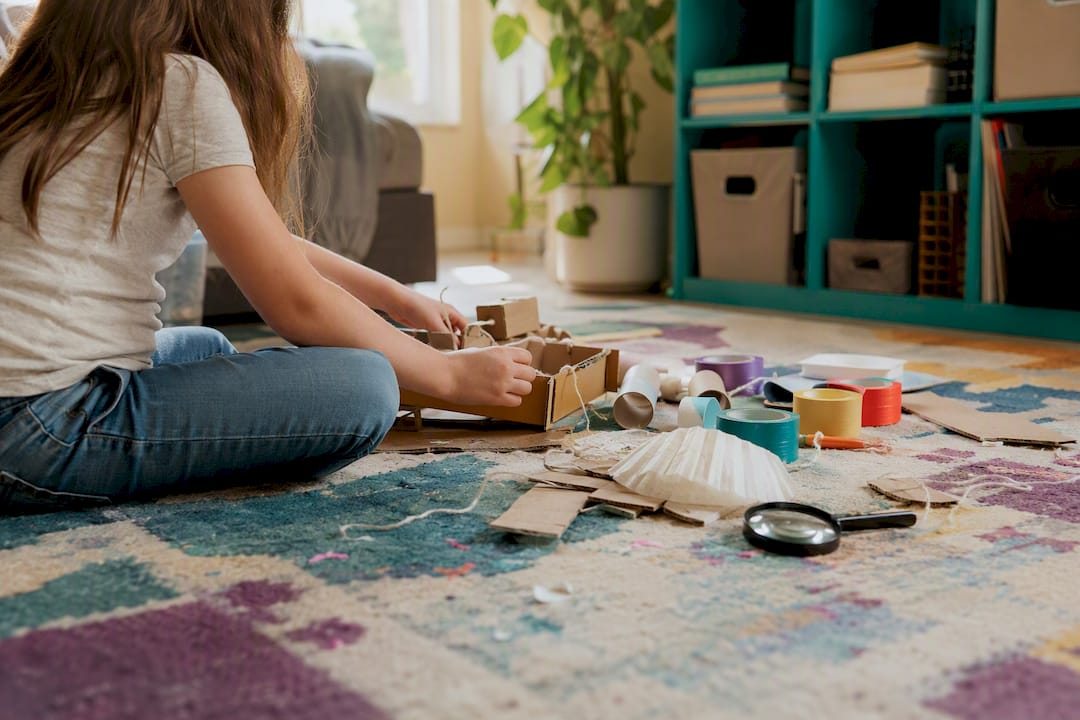
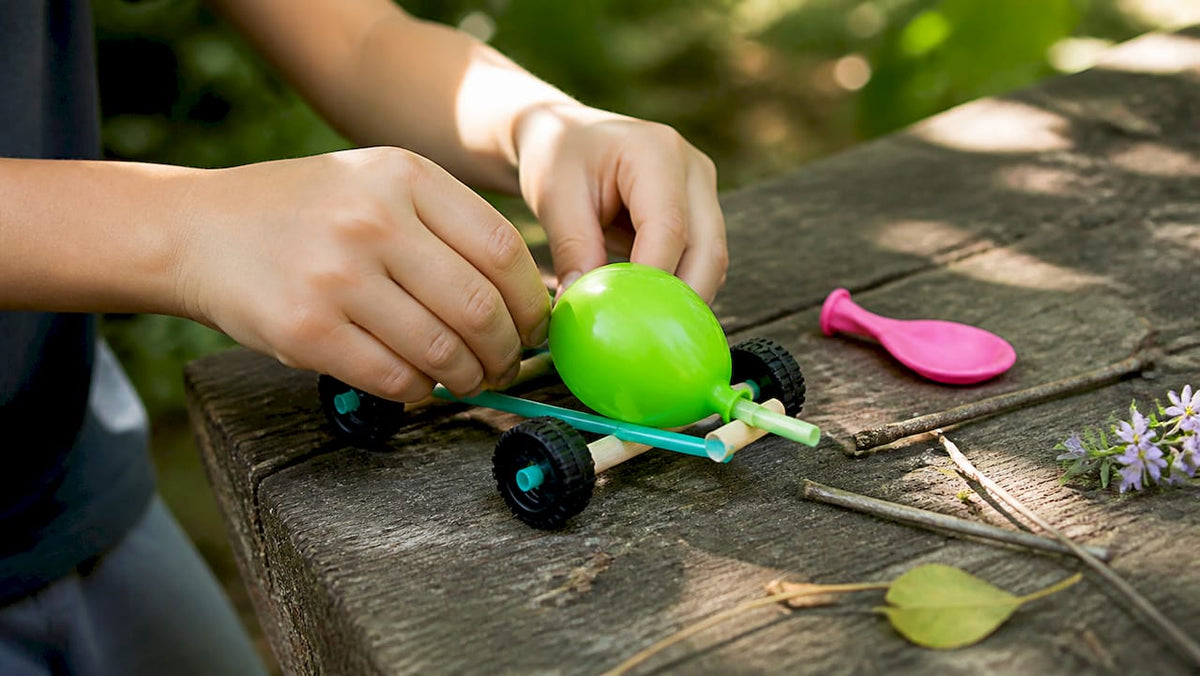
- Prototype sketch and build (30 minutes). Pick one inventor’s problem, have kids sketch their own version of a solution, then build a rough model from household materials like cardboard, tape, and string.
- Empathy role-play (30 to 45 minutes). For stories like the CareCane, have kids act out a day using the invention (or a blindfolded task) before designing improvements. This works especially well for neurodivergent-friendly engagement, since role-play gives kids a concrete identity to step into rather than an abstract concept to imagine.
For younger kids (ages 7 to 9), stick to drawing and verbal storytelling. For older kids (ages 10 to 13), push toward written hypotheses and basic testing. For neurodivergent learners, lean on visual organizers, sensory-friendly materials, and role-play over pure discussion, an approach explored further in identity-driven STEM ideas for kids ages 5 to 13.
Keep a simple supply box on hand: cardboard, tape, string, cups, coffee filters, and a magnifying glass cover most prototype needs.
Pro Tip: End every activity with one reflection question: “What would you change if you built this again?” That single question teaches iteration, which is the real skill behind every inventor on this list.
A Story-to-Issue Lesson You Can Run in One Class Period
This method, outlined in the From Story to Issue framework, converts passive reading into an actual investigation.
- Select a short passage from any profile above.
- Pause right at the decision point, the moment before the invention takes shape.
- Ask a “should” question: “Should Mia have kept testing after her first filter version failed?”
- Convert it into a “whether” issue: “Whether a second filter design removes more microplastics than the first.”
- List two or three variables kids could test or research (materials, size, time).
- Run a 15-minute mini experiment or a short research sprint answering it.
Turning “what happened” into “what if” is the entire trick. A biography becomes a lab notebook the moment you ask kids to test a variable instead of just admiring the outcome.
Keep groups to three or four kids, cap the activity at one class period, and assess with a simple rubric: did they identify a variable, test or research it, and explain what they’d change next time?
Where to Find More Young Inventors Stories and Programs
A handful of sources cover most of what you’ll need for ongoing story material and program entry points.
- USPTO Young Inventors: original short profiles good for read-alouds.
- Invention Convention Stories of Impact: program access plus reassuring scale, since the network reports 52% female participants and more than 184,000 students annually.
- Lemelson-MIT program resources: case studies on team-based InvenTeams and long-term STEM pathways.
- Smithsonian Magazine and similar outlets: deeper feature writing on individual inventors worth excerpting for older readers.
- STEM storytelling examples for parents and educators: ready-made lesson ideas that pair with any of the stories above.
The Adults Behind the Stories: Mentors Who Make Invention Possible
Every young inventor on this list had someone in their corner. Damian Earley didn’t stumble into a patent alone. He worked through structured invention programs that connected him with pro bono legal support, the kind of scaffolding that turns a garage idea into a protected product, as documented in his USPTO Journeys of Innovation profile.
Teachers running InvenTeams, like the one behind Katia Avila’s project, often spend months coaching students through failed prototypes before a working version emerges. That patience matters more than any single piece of equipment in the room.
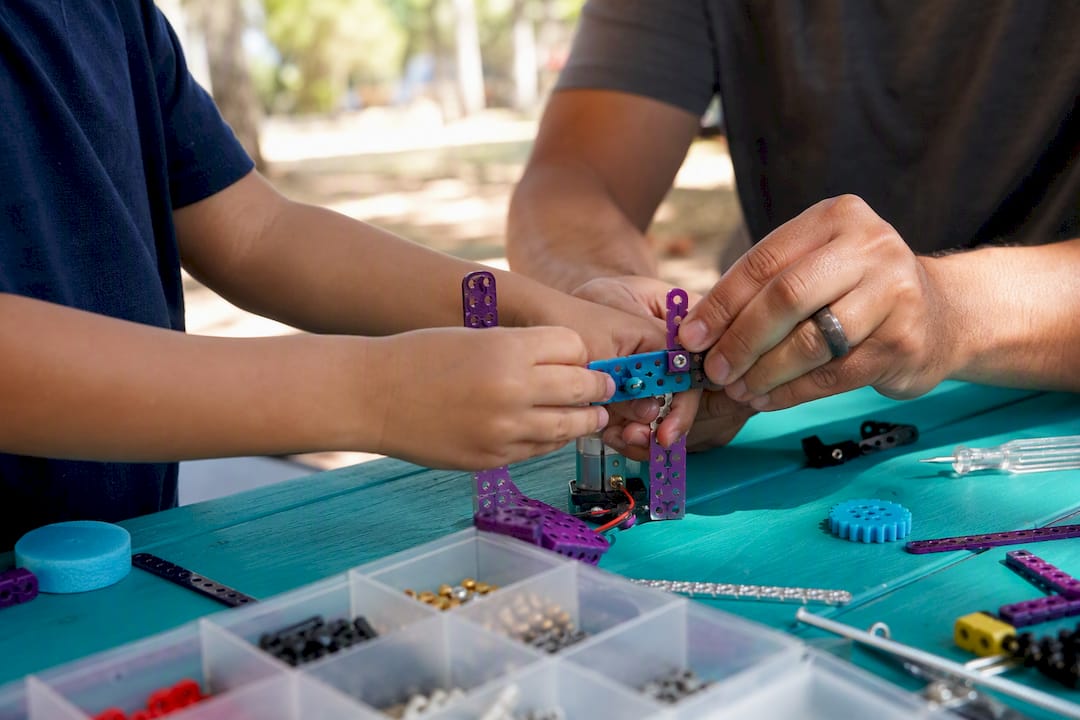
If your child’s invention starts gaining real traction, intellectual property protection becomes worth understanding early. The USPTO’s youth resources explain patent basics in plain language, and programs offering pro bono patent support, the same kind Earley used, exist specifically so a good idea from a teenager doesn’t get lost for lack of legal help. Mentors don’t just supervise. They translate a kid’s rough sketch into something the world can actually use, and they’re often the difference between a shelved idea and a finished one.
Why Story-Driven Invention Works Better Than Worksheets
Kids remember Mia Heller’s microplastics filter longer than they remember a definition of filtration. That’s not an accident. Story-driven learning sticks because it gives abstract science a face and a stake, which is exactly why Teamgeniussquad built its E³ Method, Engage, Encourage, Empower, around the same instinct. A story engages curiosity first, encourages a kid to try their own version, then empowers them to see themselves as the inventor, not just the reader. If you want a ready-made worksheet built on this exact approach, download our free ebook and try it with your own kid this week.

Frequently Asked Questions
What are some famous young inventors kids can learn from? Gitanjali Rao, Damian Earley, and Mia Heller each solved a real-world problem before turning 18, making them strong entry points for classroom or home discussion.
How do I inspire young inventors at home without buying expensive equipment? Start with a story, run the WHY/WHO/HOW questions, then build a rough sketch or prototype using cardboard, tape, and household items already on hand.
Are these young innovators stories appropriate for kids as young as 7? Yes. Simplify the discussion to drawing and verbal answers for ages 7 to 9, and save written hypotheses and testing for kids 10 and up.
Can young inventors actually get patents? Some do. Damian Earley received a U.S. patent through pro bono support connected to an invention program, showing the path exists for kids who take an idea far enough.
Where can teachers find ready-made lesson plans based on these stories? Teamgeniussquad offers downloadable lesson plans built around hands-on, story-driven STEAM activities for classroom or home use.
Sources
- USPTO - Young Inventors
- Stories of Impact | Invention Convention
- This high school student invented a filter that eliminates 96 percent of microplastics
- Use the Stories of Young Inventors to Inspire Kids (MiddleWeb / Invention Education)

Leave a comment
This site is protected by hCaptcha and the hCaptcha Privacy Policy and Terms of Service apply.