Teacher Friendly E³ Playbook: Entrepreneurship Activities for Ages 5–13
Hands-on, age-matched activities and short micro-projects teach entrepreneurship best for kids aged 5 to 13. The single best next step is to pick one activity suited to your child’s age and run it today, in a single 30 to 90 minute session. The sections ahead give step-by-step runbooks, printable resources, and simple ways to coach without taking over.
TL;DR:
- Children benefit most from short, focused activities that build basic entrepreneurial habits like idea generation, testing, and reflection, especially between ages 9 and 11.
- Activities should be age-appropriate, with younger kids practicing simple tasks like drawing or sorting, and older children engaging in pitching or product testing within 60 to 90-minute sessions.
- Ready-made lesson plans and printable resources from trusted hubs simplify setup, with materials suitable for home or classroom use to save preparation time.
- Small projects such as lemonade stands, greeting card sales, or pet-sitting teach pricing, customer interaction, and basic business concepts quickly using materials already available.
- Parental coaching, honest reflection, and practicing multiple micro-projects more effectively foster confidence and skills than aiming for profit or complex business plans upfront.
Table of Contents
- Why entrepreneurship matters for kids: skills and outcomes
- Teaching the basics: goals, timeframes, and setups for home or classroom
- Hands-on activities by age: 5 to 7, 8 to 10, and 11 to 13
- Free and low-cost resources and printable lesson plans
- Small business and project ideas kids can launch quickly
- Supporting your child’s journey: coaching, assessment, and scaling micro-projects
- How a hands-on, role-play kit turns activities into confidence-building learning
- Educator and parent perspective: what to prioritize and common pitfalls
- Try a ready-made, hands-on kit or interactive session
- Authoritative downloadable activity packs and hubs
- Sources
- FAQ
Why entrepreneurship matters for kids: skills and outcomes
Entrepreneurship activities are less about launching a real business and more about practicing the habits that make any future effort stick: generating ideas, testing them, and trying again when something flops. A randomized field experiment on an early entrepreneurship program found measurable gains in non-cognitive skills among primary-age pupils, including creativity, persistence, and initiative. That same research points to middle childhood, roughly ages 9 to 11, as an especially responsive window for building these habits.
What should parents and teachers actually expect?
- Children will practice idea generation and basic pitching, not run profitable ventures.
- Reflection after each activity matters more than whether the “product” sold.
- Confidence grows from repeated small wins, not from one big launch event.
One of the clearest findings from early entrepreneurship research is that non-cognitive skill gains hold up under controlled testing, which means the time spent on these activities pays off in ways that show up well beyond any one project.
Teaching the basics: goals, timeframes, and setups for home or classroom
Before picking an activity, decide what you want the child to practice. A short planning pass saves you from running a fun but aimless afternoon.
- Pick one learning goal: idea generation, basic money math, simple marketing, or teamwork.
- Choose a timeframe: a micro-activity (30 minutes), a single lesson (60 to 90 minutes), or a multi-session capstone project.
- Decide the adult’s role: facilitator who asks questions, or quiet observer who only steps in for safety.
- Pick one simple assessment: a three-question reflection, a short checklist, or a peer “customer” vote.
- Gather materials the night before so the session starts without delay.
Pro Tip: Match the goal to the timeframe first. Idea generation fits a 30-minute micro-activity; teamwork and marketing usually need the full 90 minutes.
This framework works whether you’re running one child’s kitchen-table project or a classroom of twenty, because the structure scales, not the ambition.
Hands-on activities by age: 5 to 7, 8 to 10, and 11 to 13

Children’s entrepreneurial thinking changes fast between ages five and thirteen, so the right activity at seven looks nothing like the right one at twelve. Below are ready-to-run options for each stage.
Ages 5 to 7: build the idea muscle
- Lemonade stand pitch. Materials: paper cups, a pitcher, poster board. Timing: 30 minutes to draw a sign and set a price, 30 minutes to sell to family or neighbors. Objective: connect a product to a price.
- Sticker shop sorting. Materials: stickers, small bags, a shoebox “register.” Timing: 30 minutes. Objective: practice counting money and making simple change.
- Draw-your-dream-store. Materials: paper, crayons. Timing: 30 minutes. Objective: idea generation with no pressure to execute.
Ages 8 to 10: add structure and a market test
- Bracelet or craft micro-market. Materials: beads, string, price tags. Timing: 60 minutes to make inventory, 30 minutes to run a mini market day for classmates or family. Objective: test pricing and packaging against real buyer reactions.
- Mind map to prototype. Following the structure in the CFPB’s exploring entrepreneurship activity pack, read a short business story, mind map product ideas, then build a rough prototype. Timing: 90 minutes. Objective: move from idea to tangible object.
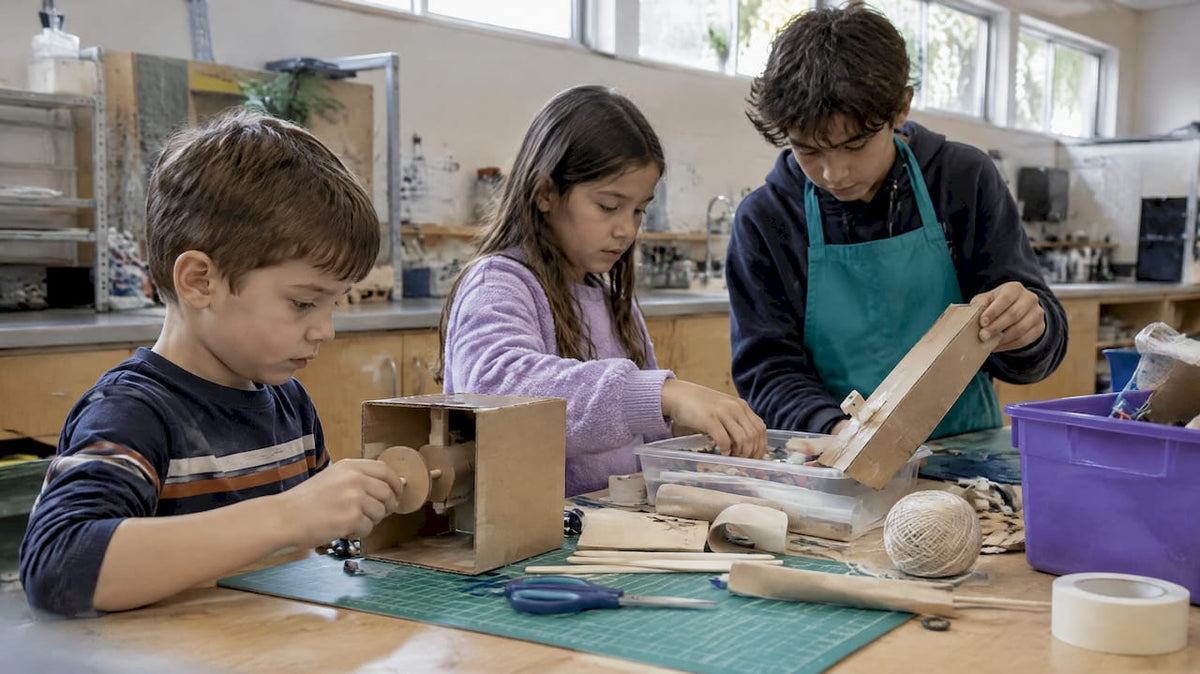
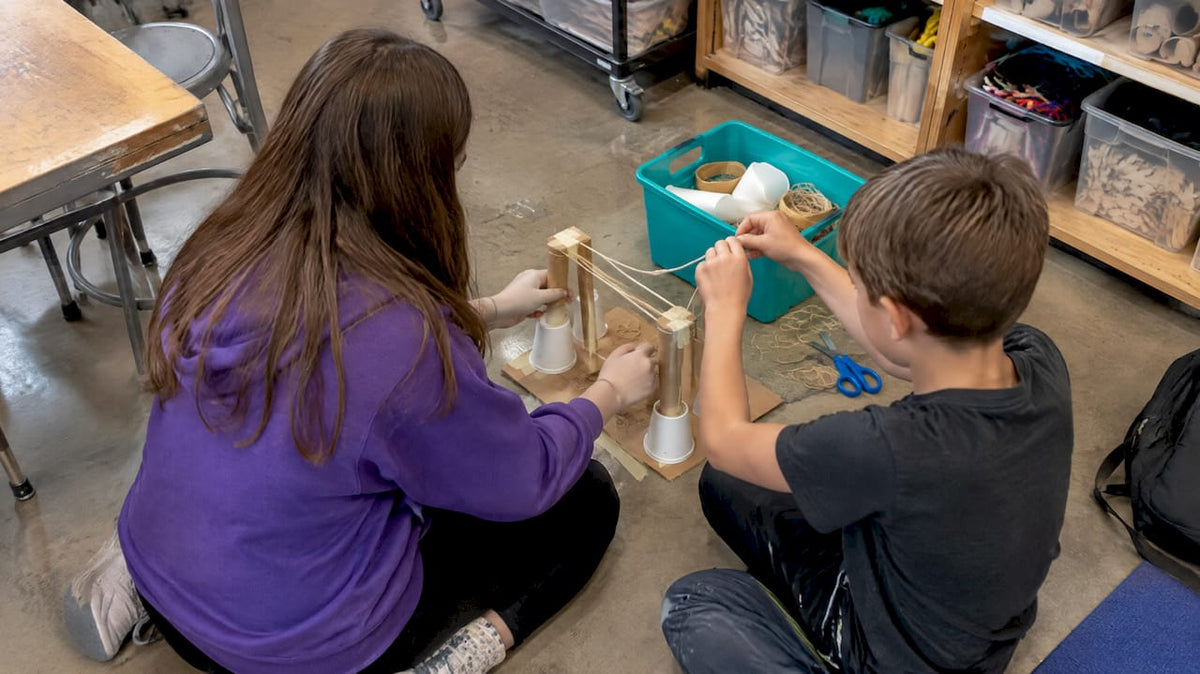
- Team-built invention stand. Materials: recycled supplies, tape, markers. Timing: 60 to 90 minutes in pairs. Objective: shared ownership and basic negotiation.
Ages 11 to 13: pitch, iterate, and consider impact
- Sixty-second pitch challenge. Materials: index cards, a timer. Timing: 45 minutes to prepare, 15 minutes to present to a small panel of “investors” (parents or classmates). Objective: communicate value clearly under a constraint.
- One-variable product test. Pick a single variable (price, packaging, or pitch wording), change only that, and compare results across two rounds of sales or feedback. Timing: two 45-minute sessions. Objective: experimental thinking with real data to interpret.
- Social-enterprise market day. Design a product or service where a portion of proceeds supports a cause the child picks. Timing: a 90-minute capstone session after a week of preparation. Objective: connect profit with purpose.
- Differentiate up: add a budget constraint or a competitor scenario.
- Differentiate down: remove the money math and focus on the pitch alone.
Pro Tip: Always run at least one round of “customer” feedback, even if the customer is a sibling. Real reactions teach more than any worksheet.
Free and low-cost resources and printable lesson plans
You don’t need to build these activities from scratch. Several hubs offer ready-made, classroom-tested materials.
- The CFPB’s exploring entrepreneurship guide provides a stepwise lesson: read, mind map, prototype, reflect, sized for grades four through eight.
- VentureLab hosts a large library of free K-12 entrepreneurship and STEAM lesson plans with printables and educator guides.
- Many printable collections include business-plan templates, pitch checklists, and simple profit calculators that make execution easier for both parents and teachers.
When choosing a printable, check three things first: does it match the child’s age band, how much prep time does it require, and do you already own the materials it calls for. A plan that needs a special trip to the craft store rarely survives a busy week.
Small business and project ideas kids can launch quickly
The best starter projects use materials you already have and take less than a week to prepare.
- Friendship bracelets or keychains: start with a small batch of ten so the first round of feedback comes fast.
- Homemade greeting cards: sell a pack of five to neighbors before scaling up.
- Pet-sitting or dog-walking (ages 10 and up): start with one trusted family to build a reference.
- Lawn or garden help (ages 11 and up): price by task, not by hour, to keep the math simple.
- Lemonade or snack stand: a classic for a reason, since it teaches pricing and customer interaction in one afternoon.
- Donation-matched craft sale: pair a simple product with a cause, giving a portion of sales to a charity the child selects.
Always confirm safety and permission before any activity that involves strangers, money handling in public, or leaving the home, and keep an adult present for younger age bands.
Supporting your child’s journey: coaching, assessment, and scaling micro-projects
Practitioners who work directly with young entrepreneurs point to parental coaching and early financial literacy as the two supports that matter most, according to insights from smart family budgeting tips for financial success. Coaching works best as questions, not answers.
- Ask “What do you think the customer wants?” instead of suggesting a product.
- Ask “What would you change next time?” after every activity, win or lose.
- Use a three-question reflection: What worked? What didn’t? What’s one change for next time?
- Keep a short observation checklist: did the child generate the idea, handle the pitch, and respond to feedback?
Pro Tip: Treat every flopped sale as data, not failure. A bracelet nobody bought is still useful information about pricing or design.
Scale only when a child wants to, and keep permissions, safety, and community involvement in an adult’s hands even as the child’s role grows.
How a hands-on, role-play kit turns activities into confidence-building learning
A hands-on, role-play kit using the Engage, Encourage, Empower progression mirrors the same steps as the activities above: start with a hook, build skill through guided practice, then hand the child ownership of the result. Kits that include lab coats, badges, and certificates help children step into the identity of an innovator rather than just completing a worksheet, which tends to deepen engagement during longer sessions. STEAM and literacy integration (reading, writing, and reflection built into such kits) echoes the same read-then-build sequence found in classroom-ready activity packs.
- Engage: a hands-on hook that mirrors the market-day or prototype activities above.
- Encourage: guided practice with role-play tools that make the work feel real.
- Empower: a reflection step that hands ownership of the result back to the child.
Parents and teachers who want this structure built into a ready-made format can browse our lesson plans for a starting point.
Educator and parent perspective: what to prioritize and common pitfalls
Prioritize repeated low-stakes practice and honest reflection over any single project turning a profit. The most common pitfall is an adult quietly taking over the pitch or the pricing because it’s faster, which erases the child’s ownership. Treat every failed sale as useful data, not a reason to stop.
— Tita
Try a ready-made, hands-on kit or interactive session
Running these activities well takes planning time that busy parents and teachers don’t always have, which is exactly the gap Team Genius Squad’s hands-on kits and “Meet Ava” sessions are built to close.

Our experiment kits come with materials and instructions already assembled, so a 30 to 90 minute session doesn’t require a supply run. For a facilitated option, the Meet Ava sessions offer a 30-minute one-on-one Zoom experiment, a virtual group entrepreneurship experience, or an in-person group session, each led by AVA THE STEM AMBASSADOR™ for kids aged 5 to 13. If you’d rather build your own session using our structure, start with the lesson plans and add a kit when you’re ready for the hands-on version.
Authoritative downloadable activity packs and hubs
- CFPB Building Block Activities: classroom-ready entrepreneurship worksheets.
- VentureLab: free K-12 lesson plans and printables.
- Kidspreneurship: free printable templates and activity kits.
Sources
- Exploring entrepreneurship — CFPB Building Block Activities
- Nurturing Young Entrepreneurs: A Conversation with Leah K. Ellis
FAQ
What are some examples of entrepreneurship activities?
Lemonade stands, sticker shops, friendship bracelet sales, and sixty-second pitch challenges all count as hands-on entrepreneurship activities. The CFPB’s activity pack uses a read, mind map, prototype, and reflect structure that works well for classroom or home use.
What are the 5 C’s of entrepreneurship?
Definitions vary across programs, so there isn’t one fixed list every educator uses. Most versions circle around traits like creativity, confidence, commitment, and communication, which overlap closely with the non-cognitive skills this article covers, like initiative and resilience.
What are some fun activities for Entrepreneurs’ Day?
A market-day micro-project, where kids set up a short stand to sell a simple product to classmates or family, works well as a single-day event. A pitch challenge, where each child presents a business idea in sixty seconds to a small panel, is another fast option that needs little setup.
How do you teach children entrepreneurship?
Start with one age-matched activity and a single clear goal, like idea generation or basic pricing, rather than a full business plan. Practitioners emphasize early financial literacy and consistent parental coaching as the two supports that matter most, paired with short reflection after each session.


Leave a comment
This site is protected by hCaptcha and the hCaptcha Privacy Policy and Terms of Service apply.