Article: Win $500–$200,000: U.S. Teachers' STEM Classroom Grants Checklist
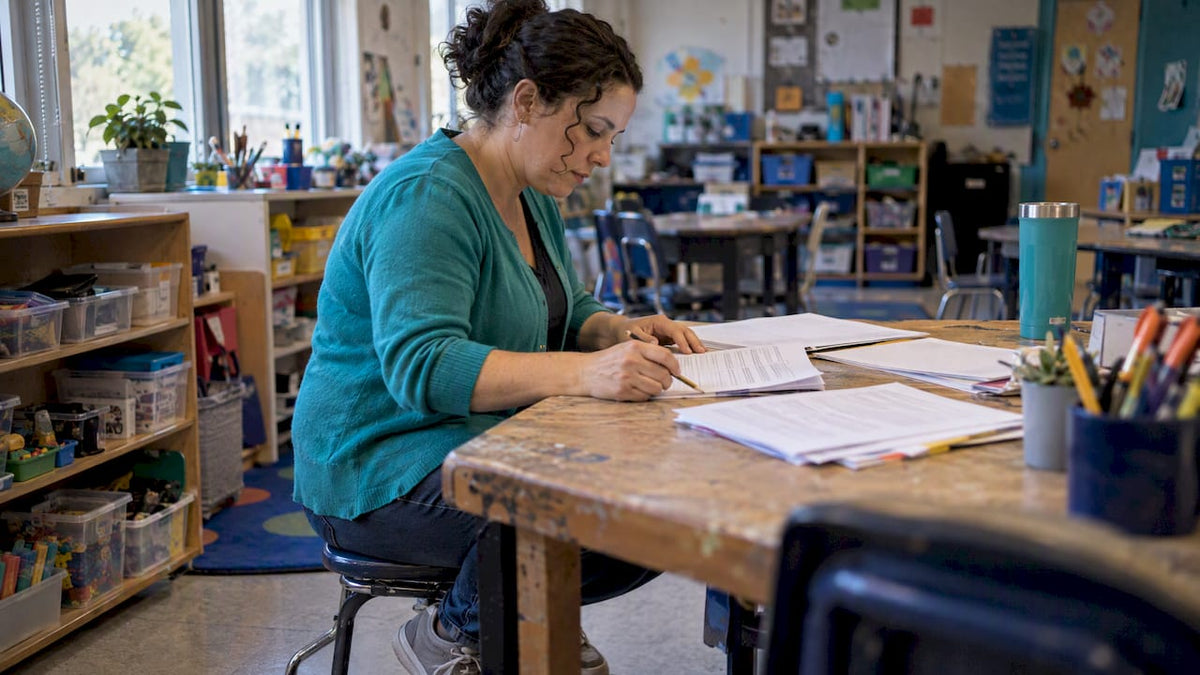
Win $500–$200,000: U.S. Teachers' STEM Classroom Grants Checklist
Yes, K-12 teachers across the United States can access STEM classroom grants right now, from classroom microgrants to multi-school program awards. Typical classroom-level awards run from about $500 to $5,000, while state and federal competitions offer larger sums tied to specific deadlines. Your first move is simple: check each funder’s eligibility rules, then start federal registration through Grants if you plan to pursue a federal award.
TL;DR:
- Federal STEM grants for classrooms range from $500 microgrants to $200,000 awards for eligible institutions, with application processes taking six to ten weeks.
- State and utility grants often have lower thresholds, with awards typically capped between $85,000 and $5,000, and require matching or reimbursement processes.
- Preparing a strong application includes early registration on SAM.gov and Grants.gov, explicit alignment of budget with activities, and thorough compliance with NOFO requirements.
- Reviewers prioritize applications that clearly address each review criterion, include measurable outcomes, and contain well-organized attachment labeling.
- Funding for kits and classroom bundles is most effective when emphasizing engagement and equity, with grants of $500 to $5,000 covering classroom sets of reusable, hands-on scientific experiment kits.
Table of Contents
- 1. Where to find STEM classroom grants this year
- 2. Eligibility, award sizes, and allowable uses
- 3. How to apply: a step-by-step federal grant checklist
- 4. Common application pitfalls and what reviewers actually check
- 5. Representative U.S. STEM grants teachers can pursue now
- 6. How to write a proposal reviewers want to fund
- 7. Why hands-on, identity-driven kits fit what funders want to see
- Where grant funds for kits and classroom bundles go further
- FAQ
- Sources
1. Where to find STEM classroom grants this year
Funding for hands-on STEM work comes from five main places, and knowing which one fits your project saves weeks of searching. Federal agencies post Notices of Funding Opportunity (NOFOs) on Grants.gov for larger, institution-backed projects. State education departments and offices of science, technology, and innovation list grants aimed at classroom pilots and regional priorities. Corporate foundations, utility companies, and national nonprofits round out the picture with smaller, faster-turnaround microgrants that individual teachers can apply for directly.
A few starting points worth bookmarking:
- Federal NOFOs: search Grants.gov for active STEM opportunities, including USDA’s NIFA programs.
- State pages: your state’s education department or STEM office (often called OSIT) posts regional RFAs with clear eligibility rules.
- Utility and community foundations: many power companies, including the TVA STEM Award Program, fund classrooms in their service areas.
- National nonprofits: organizations like Society for Science run teacher-specific award cycles every year.
- Research labs: facilities such as Idaho National Laboratory offer classroom and equity-focused grants tied to regional outreach goals.
Start broad, then narrow to the two or three funders whose priorities match your classroom project most closely.
2. Eligibility, award sizes, and allowable uses
Award size depends almost entirely on funder type. Teacher microgrants typically range from $500 to $5,000 and often require only a sponsoring teacher and a short proposal. District or state grants can reach the tens of thousands of dollars but usually require administrative sign-off. Federal NOFOs sit at the top end, with NIFA’s STEM program offering awards between $25,000 and $200,000 for eligible institutions.

Eligibility rules vary by funder but commonly include grade-band restrictions, public versus private school distinctions, and geographic service-area limits for utility grants. Allowable uses generally cover equipment, curriculum kits, supplies, and teacher professional learning. Most funders exclude salaries, general operating costs, or capital construction, so read the fine print in each NOFO before you build your budget.
3. How to apply: a step-by-step federal grant checklist
Federal and larger state applications reward early preparation far more than last-minute polish. Follow these steps in order:
- Obtain a Unique Entity Identifier (UEI) and complete your school or district’s SAM.gov registration, which typically takes 10 or more business days to process.
- Create a Grants.gov applicant account once your UEI is active, since the two systems work together for federal submissions.
- Read the full NOFO and build a compliance checklist from its required documents, page limits, and review criteria.
- Draft your narrative, budget, and budget justification, making sure every expense ties directly to a described activity.
- Collect letters of support, biosketches, and institutional signatures, since most federal and state applications require formal sign-off from a school or district official.
- Submit at least 48 hours before the deadline to leave room for technical issues on the funder’s portal.
First-time federal applicants should plan for six to ten weeks total between starting registration and submitting a complete application, so the earlier you begin, the better your odds.
4. Common application pitfalls and what reviewers actually check
Most rejected applications fail for avoidable reasons rather than weak ideas. The most frequent mistakes include letting a SAM.gov registration lapse, ignoring NOFO formatting rules, submitting a budget that doesn’t connect to the narrative, and skipping required institutional approvals.
Reviewers consistently reward applications that:
- Address each review criterion explicitly, in the order the NOFO presents them.
- State measurable outcomes rather than general goals.
- Tie every budget line to a specific classroom activity.
- Label attachments clearly so reviewers can find required documents fast.
Pro Tip: Ask your district’s sponsored-programs office or a grants officer to review your compliance checklist before you submit, since a second set of eyes catches missing signatures and formatting errors reviewers will flag immediately.
5. Representative U.S. STEM grants teachers can pursue now
A handful of funders stand out for accessibility and clear application paths in 2026.
- Society for Science STEM Research Grants offer middle and high school teachers either a preselected $1,000 research kit or up to $5,000 for specialized equipment, open to educators working with grades 6 through 12.
- NIFA’s STEM program (ALN 10.318) runs a federal NOFO with a September 14, 2026 deadline and award amounts between $25,000 and $200,000, aimed at institutional applicants with formal fiscal sponsorship.
- Idaho National Laboratory offers regional classroom and STEM equity grants that support hands-on projects and inclusive access to science programming in its service area.
- TVA STEM Award Program uses tiered awards of $1,000 to $5,000, limited to schools within the Tennessee Valley Authority’s service footprint, and scores proposals against a published rubric.
- State grants, like Nevada’s STEM Pathways RFA, vary widely by state but often cap individual awards around $85,000 and operate as reimbursement grants, so monitor your own state OSIT page for current cycles.
6. How to write a proposal reviewers want to fund
A strong narrative opens with a concise problem statement, moves to clear objectives, and ties your methods to measurable student outcomes that match classroom standards. Reviewers read dozens of applications in a sitting, so clarity beats cleverness every time.
Your budget needs a line-item breakdown paired with a budget justification that explains why each expense supports a described activity. A reviewer should never have to guess why a line item appears.
Round out your application with attachments that match the NOFO’s required list: letters of support, fiscal-agent documentation if your school requires one, short bios for key personnel, and any compliance documents like facility approvals. Missing one required attachment can disqualify an otherwise strong proposal before a reviewer even reads your narrative.

7. Why hands-on, identity-driven kits fit what funders want to see
Grant reviewers increasingly look for projects that pair measurable engagement with equity-minded design, and that’s exactly where screen-free, identity-driven kits earn their place in a budget. Our method provides teachers a framework they can cite directly when describing how a kit builds confidence alongside content knowledge. Role-play elements like lab coats and badges translate easily into a narrative about student identity and sustained engagement, two priorities reviewers consistently reward.
— Tita
Where grant funds for kits and classroom bundles go further
A $500 to $5,000 microgrant covers more ground than most teachers expect when it funds a classroom set of hands-on kits instead of disposable consumables. Our Experiment Kits are built for exactly this kind of allowable use: screen-free, reusable, and designed around real experiments rather than worksheets.
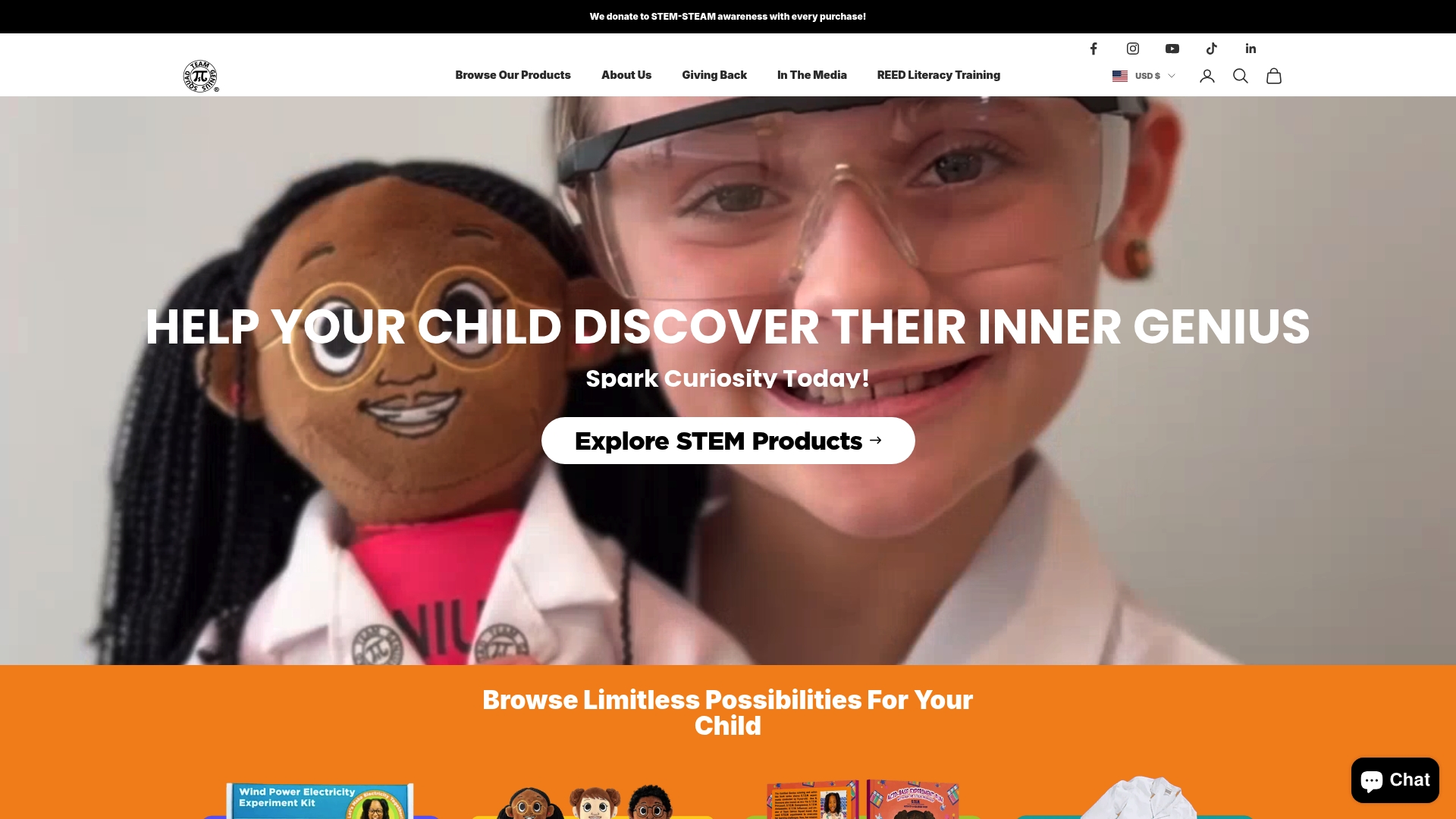
A small grant can fund a full classroom pilot: enough kits for table groups, a set of lab coats so every student steps into the role of scientist, and a curriculum-aligned bundle that ties experiments to literacy and reflection. If you’re mapping out a budget for an award you expect to receive, our shop collection lists kits, lab coats, and bundles you can itemize by name and price before you submit.
FAQ
Which companies donate to STEM education programs?
Utility companies operating in specific service areas, such as the Tennessee Valley Authority, fund classroom STEM programs through structured award cycles. National research labs and nonprofits also run dedicated STEM funding programs, though exact corporate donor lists vary by region and year.
What is the #1 STEM school in the US?
National rankings of STEM schools vary by methodology and year, and no single list is treated as the definitive authority across sources. Rather than chasing a ranking, focus on funder-specific eligibility rules, since most STEM grants are open to any qualifying public or private school regardless of national ranking status.
What is the $7,000 grant for college students?
This question typically refers to need-based federal aid programs for college students rather than K-12 classroom funding, and it falls outside the scope of teacher and classroom STEM grants. K-12 educators should instead look to teacher-specific awards like those from Society for Science or state STEM offices.
Sources
- Grants
- STEM Research Grants | Society for Science
- NIFA STEM program NOFO (ALN 10.318) — Grants.gov attachment
- STEM Pathways Grant SFY27 RFA — Nevada OSIT
- TVA STEM Award Application Package — TSIN

Leave a comment
This site is protected by hCaptcha and the hCaptcha Privacy Policy and Terms of Service apply.