Best Art Memory Games to Buy, Print, or Play Online
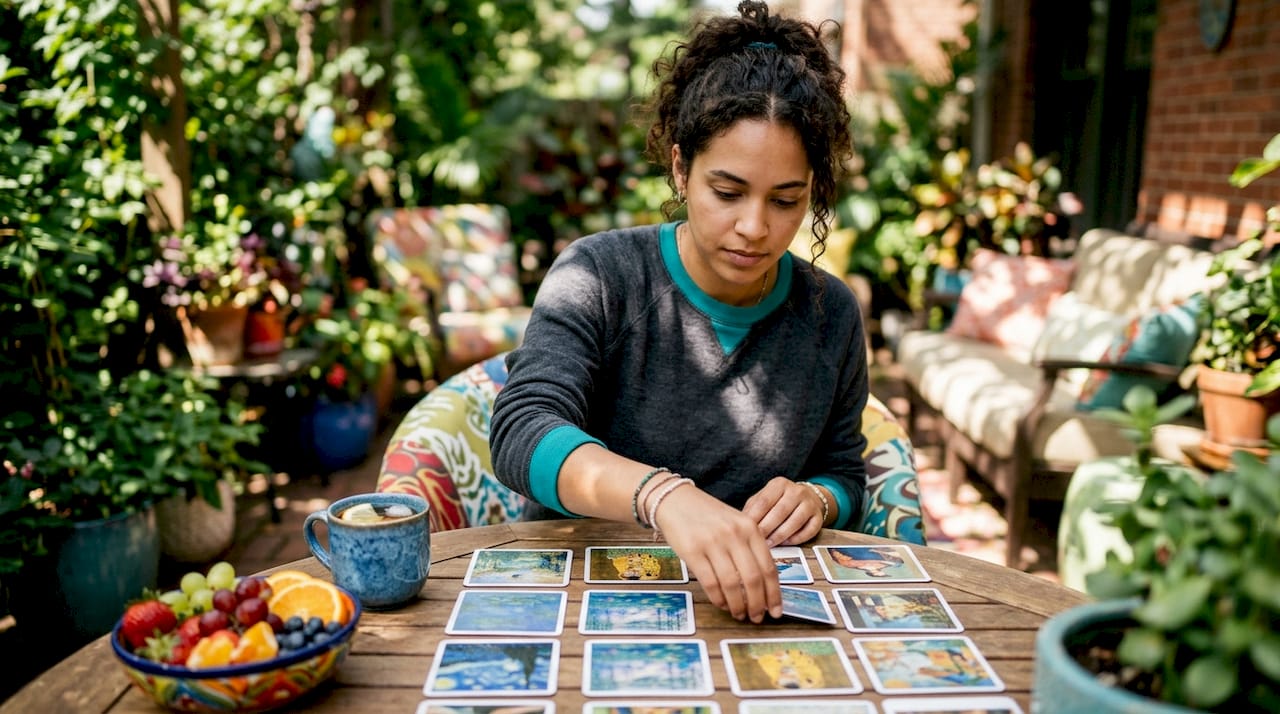
The strongest art memory games on the US market right now fall into three clear categories: purchasable physical sets tied to real museum collections, printable card packs educators can customize in minutes, and free browser-based games featuring over 60 famous paintings. Each format serves a different learner, and knowing which one fits your child or classroom makes all the difference.
What are the best art memory games available right now?
Physical, printable, and digital options each bring something distinct to the table. Here is a side-by-side look at the leading choices across all three formats.
| Game | Type | Age Suitability | Cards/Matches | Price Range | Educational Theme | Game Modes |
|---|---|---|---|---|---|---|
| A Is For Art Museum Memory Game | Physical | Ages 3+ | Multiple pairs | Museum store pricing | Philadelphia Museum of Art collection, children’s literacy | Solo, group |
| Andy Warhol Memory Game | Physical | Ages 6+ | — | Around $19.99 | Pop art, Andy Warhol iconography | Solo, multiplayer |
| Memozor Online Art Memory Game | Digital | — | 60+ artworks | Free | Picasso, Dalí, Van Gogh, Monet, and more | Solo, 2-player, vs. computer | | Printable Famous Paintings Memory Game | Printable | Ages 5+ | Customizable | Low cost or free | Famous artworks with artist names | Solo, classroom group | | Piatnik Pixel Art Memo | Physical | — | 27 motifs, 54 cards | Mid-range | Classic paintings in pixelated form | Solo, multiplayer |
Notable highlights:
- The A Is For Art Museum Memory Game pairs directly with a best-selling children’s book, making it one of the few art concentration games with a built-in literacy component.
- Andy Warhol Memory Game delivers a compact, artist-specific deck that works well for pop art fans and older children who already recognize Warhol’s imagery.
- Memozor’s free browser game requires no download or registration, with adjustable card counts and speed settings for different skill levels.
- Printable Famous Paintings sets let educators print, laminate, and reuse cards across multiple classroom sessions.
- Piatnik Pixel Art Memo challenges players to mentally connect a classic painting with its pixelated version, adding a layer of cognitive complexity most standard memory games skip.
Physical art memory games worth adding to your collection
Physical card games bring a tactile dimension that digital screens simply cannot replicate. Flipping a card and holding it in your hand creates a different kind of memory encoding, and for younger children especially, that physical interaction matters.
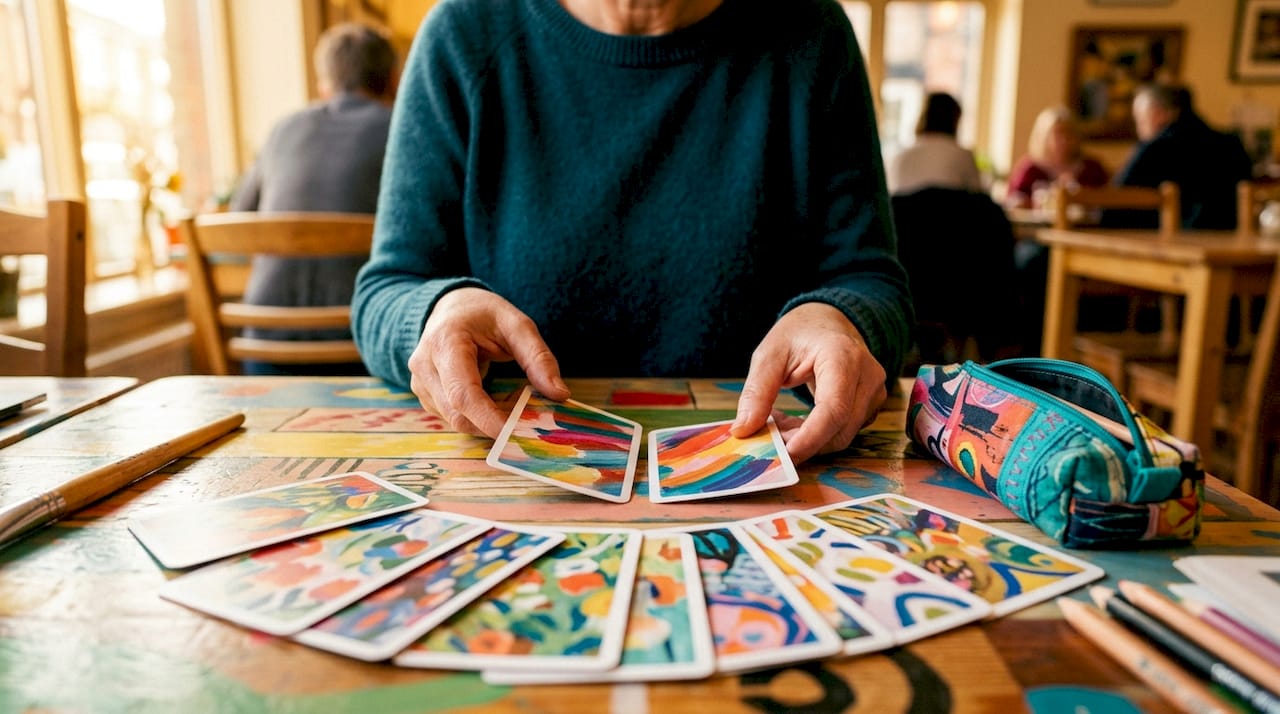
The A Is For Art Museum Memory Game, sold through the Philadelphia Museum of Art store, stands out because it connects directly to the museum’s children’s book of the same name. Parents who read the book with their child can then play the matching game, reinforcing the same artworks in two different contexts. That cross-format repetition is genuinely useful for early learners.
The Andy Warhol Memory Game takes a narrower focus, spotlighting one artist’s iconic pop art images across a compact deck. At around $19.99, it sits at an accessible price point for families and makes a strong gift for anyone already curious about Warhol’s work. Piatnik Pixel Art Memo takes a genuinely different approach. Players must match a classic high-resolution painting with its pixelated counterpart, which means they cannot rely on simple image recognition alone. The set includes 27 motifs across 54 high-quality cardboard cards, blending art history with visual puzzle-solving in a way that holds attention well past the first few rounds.
Key attributes to compare when shopping physical sets:
- Number of pairs and card quality (cardboard weight, lamination)
- Age range printed on the box versus actual complexity of the artwork
- Retail source: museum stores, Etsy sellers, and specialty toy shops each carry different titles
- Whether the set covers one artist or spans multiple movements and periods
Printable art memory games: convenient and customizable for educators and parents
Printable sets solve a problem physical games cannot: instant availability and zero shipping wait. A teacher planning a Friday art lesson can download a Famous Paintings Memory Game on Thursday evening, print it on cardstock, and have it ready by morning.
The best printable art memory card games include the artwork image, the painting title, and the artist’s name on each card. That detail transforms a simple matching activity into a mini art history lesson, because children naturally read the labels as they play. Educators can find free and low-cost printable sets through Teachers Pay Teachers and similar platforms, with options ranging from Renaissance masters to modern abstract works.
Pro Tip: Laminate your printed cards after the first use. A standard laminating pouch adds durability that lets a single printed set survive an entire school year of classroom play, which makes even a paid printable set cost-effective over time.
What makes printable sets work well in educational settings:
- Customizable card counts let teachers scale difficulty up or down by simply printing fewer pairs.
- Cards can be sorted by art period, allowing thematic units (Impressionism week, for example) to anchor the game to current curriculum.
- Groups of four or five students can each receive their own printed set, making simultaneous small-group play possible without buying multiple physical copies.
- Adding discussion prompts to the back of each card turns a memory card art game into a conversation starter about color, composition, and historical context.
What do online art memory games actually offer?
Digital art matching games have expanded well beyond basic flip-and-match mechanics. The best free browser options now include multiple game modes, adjustable difficulty, and accessibility features that physical games cannot provide.

Memozor’s famous paintings game features artworks by Picasso, Dalí, Van Gogh, Manet, Monet, and others, all playable in three modes: Solo, With a Friend (local two-player), and Against the Computer. Players can increase the number of cards to raise difficulty, and speed settings range from Quick to Very Slow. That Very Slow setting is particularly useful for learners who want to actually study the paintings rather than race through them.
Google Arts & Culture’s “Draw to Art” tool takes a different angle entirely. It uses a sketch-matching algorithm to connect a user’s own doodle with a real museum artwork, turning the visual memory art challenge into a creative act rather than a passive one.
Key digital features worth looking for:
- No download and no registration required (Memozor and several others meet this standard)
- Adjustable game speed to support deeper visual encoding of artwork details
-
such as music style toggles (Lo-Fi, Jazz, Orchestral) and light/dark visual modes for neurodivergent players
- Local multiplayer support so siblings or classmates can play side by side on one device
How to choose the right art memory game
The right choice depends on three things: who is playing, what you want them to learn, and where the game will be used most often.
Age and complexity first. A three-year-old needs large cards with bold, simple images. A ten-year-old can handle a 54-card Pixel Art Memo set that requires mental translation between two visual styles. Check the recommended age on the box, but also look at the artwork itself. Highly detailed Renaissance paintings read differently than Warhol’s flat color blocks.
Match the format to the setting. Physical games work best for family game nights and small group classroom play where tactile interaction adds value. Printables suit classrooms with limited budgets or teachers who want to align the artwork to a specific curriculum unit. Digital games fit independent practice, homework enrichment, or situations where a child needs a self-paced, low-pressure environment.
Selection tips:
- For toddlers and early learners: choose sets with large cards, bright colors, and simple iconic images.
- For classroom use: prioritize printable or multi-copy physical sets that can run in small groups simultaneously.
- For art history focus: look for games that label each artwork with the artist’s name and period.
- For neurodivergent learners: digital games with adjustable speed and sensory settings offer the most flexibility.
- Before buying a physical set, search for a digital demo or sample card images to confirm the artwork complexity matches your learner’s level.
Why art memory games matter for STEAM learning
Art memory games do more than exercise short-term recall. Engaging with art through memory games trains concentration, attention, and memory retention while simultaneously building appreciation for art history and aesthetics. That dual benefit is what makes them genuinely useful in STEAM contexts rather than just entertaining.
Pattern recognition is the cognitive skill most directly exercised. A child who has matched Van Gogh’s swirling brushwork across a dozen card flips starts to recognize that style instinctively, which is exactly the kind of visual literacy that supports later learning in both art and science. These games also create a low-pressure environment that lowers the intimidation many learners feel around formal art settings, whether that is a gallery visit or an art history class.
The benefits extend across age groups. For seniors, art memory games function as calming cognitive exercises that stimulate visual pattern recognition without competitive pressure. For children with dyslexia or other learning differences, the image-based format sidesteps text-heavy barriers while still delivering genuine educational content.
Key educational outcomes linked to art memory games:
- Improved concentration and sustained attention during play
- Stronger visual memory and pattern recognition skills
- Growing familiarity with artists, movements, and art history
- Reduced anxiety around art appreciation and cultural learning
- Social skills built through multiplayer formats, both physical and digital
Key Takeaways
The most effective art memory game for any learner is the one that matches their age, setting, and learning goal, whether that is a museum-curated physical set, a free printable, or a browser-based game with 60+ paintings.
| Point | Details |
|---|---|
| Format determines fit | Physical sets suit tactile and social play; printables suit classrooms; digital games suit self-paced or accessible learning. |
| Price range is wide | Artist-specific physical decks like the Andy Warhol Memory Game run around $19.99; digital options like Memozor are free. |
| Accessibility matters | Digital games with adjustable speed and sensory settings serve neurodivergent learners better than most physical sets. |
| Teamgeniussquad extends the concept | For children ages 5–13, Teamgeniussquad’s screen-free STEAM kits complement art memory play with hands-on, identity-building discovery. |
The case for going deeper than a card flip
Art memory games are a genuinely strong entry point into visual learning, and I say that without reservation. But here is what most roundups miss: the card flip is the beginning of the learning, not the end. A child who matches Monet’s water lilies twice and moves on has exercised their memory. A child who pauses, notices the color palette, and asks why the edges look blurry has started thinking like an artist.
The games that build in that pause, whether through a Very Slow speed setting on Memozor, a discussion prompt on the back of a printable card, or a museum-tied set like the Philadelphia Museum of Art’s A Is For Art Museum Memory Game, are the ones worth prioritizing. Speed-matching a deck of famous paintings is fun. Wondering why Warhol repeated the same face in different colors is where curiosity actually takes root.
For parents and educators who want to build that deeper STEAM connection, the art memory game is a perfect warm-up. Pair it with hands-on creative activities and you give children two things at once: a reason to look closely, and the confidence to ask what they see.
Teamgeniussquad brings hands-on STEAM learning beyond the card game
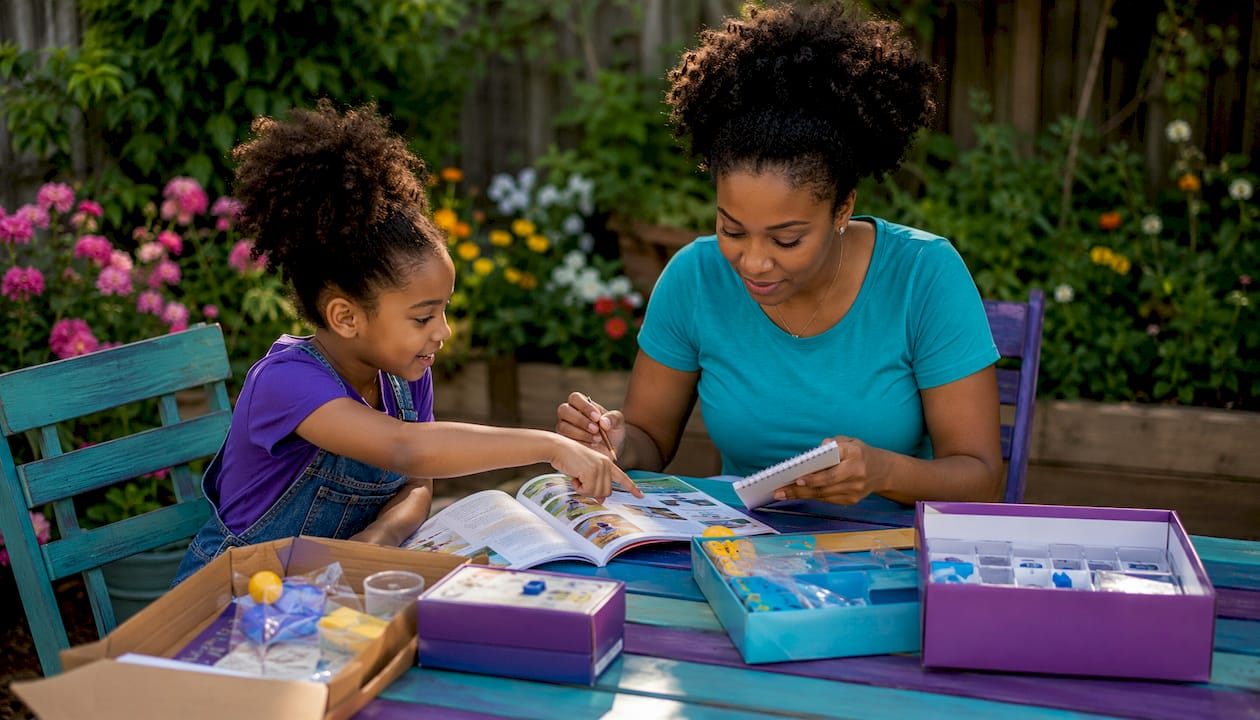
Art memory games spark curiosity. Teamgeniussquad’s STEAM experiment kits are built to carry that curiosity further, giving children ages 5–13 a place to conduct real experiments, step into a scientist’s role, and build genuine confidence through the E³ Method: Engage, Encourage, Empower. Where a memory card game exercises visual recall, a Teamgeniussquad kit asks children to hypothesize, create, and reflect, combining tactile discovery with literacy and identity-building play. Designed with neurodivergent learners in mind and inspired by founder Ava N. Simmons’s own family journey, these screen-free kits complement art-based learning in a way no digital game can replicate.

Explore the full collection of lab kits and puzzles and find the kit that turns your child’s next question into their next great discovery.


Leave a comment
This site is protected by hCaptcha and the hCaptcha Privacy Policy and Terms of Service apply.