Top 6 teamgeniussquad.com Alternatives Kits 2026
Finding a hands-on steam kit that truly blends tactile learning, confidence building, and literacy without relying on screens can frustrate parents and educators searching for more than just quick crafts. Many kits prioritize flash over substance, with cardboard-heavy materials, forgettable monthly themes, or limited classroom longevity that fails to justify the higher price. This comparison lets you weigh six leading steam kit brands on role-play depth, educational design, and kit quality so you can choose one that fits your child’s learning needs and your budget.
Table of Contents
- Team Genius Squad
- Little Passports
- CrunchLabs
- MEL Science
- KiwiCo
- Comparing STEAM Learning Kit Providers
Team Genius Squad
At a Glance
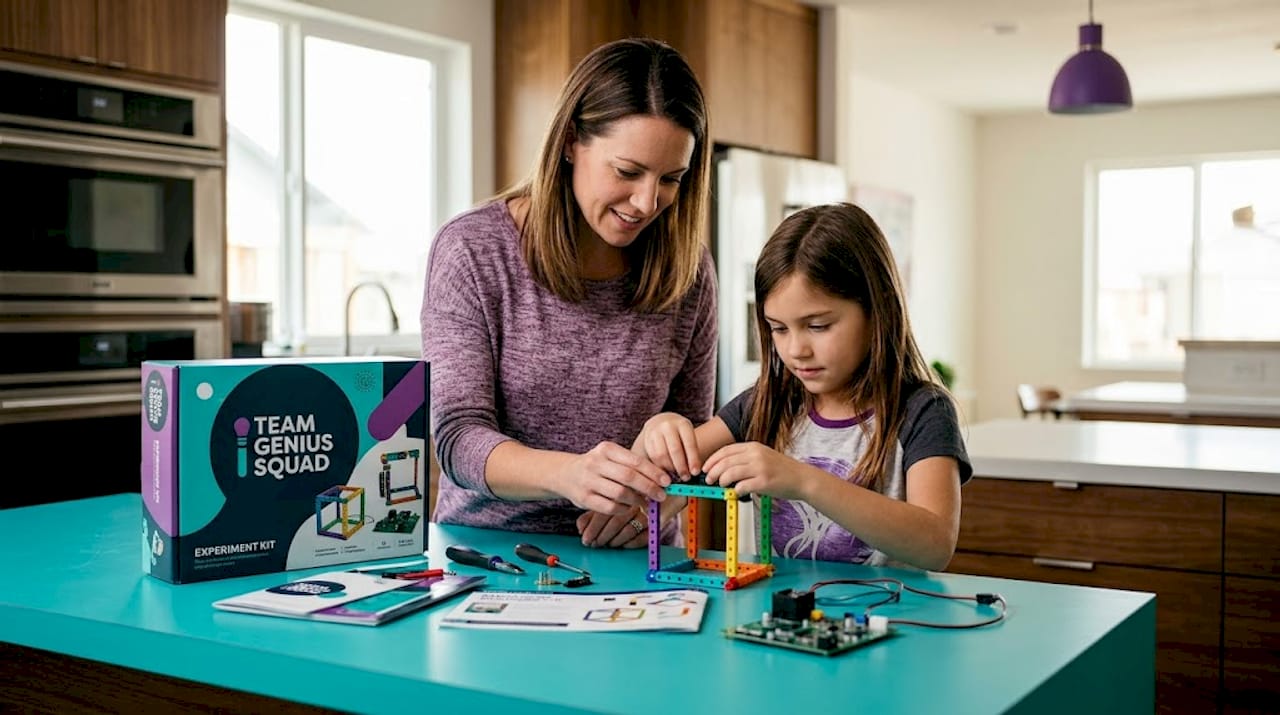
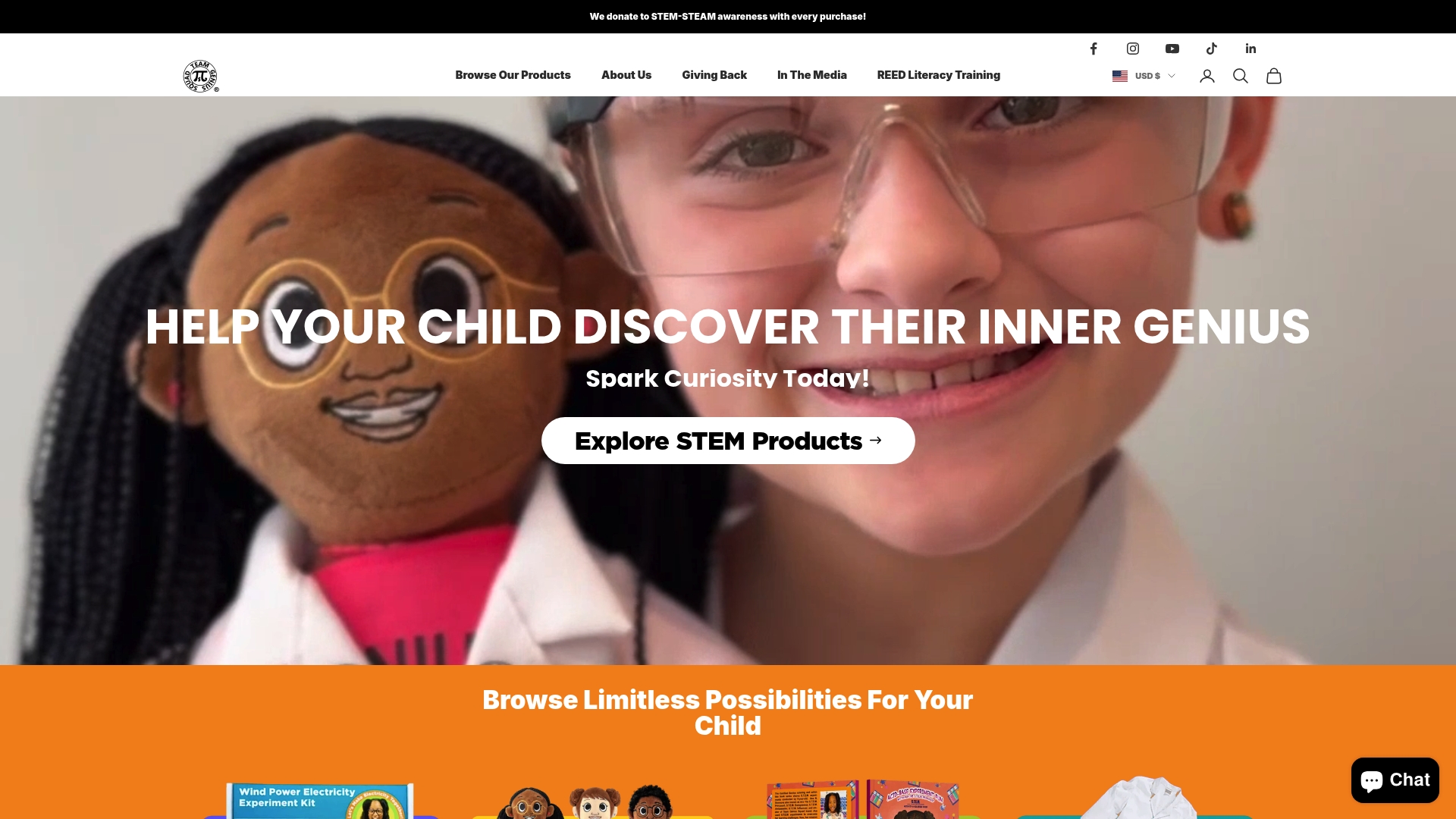
The trademarked E³ Method (Engage, Encourage, Empower) powers screen-free, hands-on discovery kits created for children ages 5–13. The brand combines experiment kits with role-play elements so kids conduct real experiments while stepping into scientist identities.
Team Genius Squad was inspired by a family journey with dyslexia and dysgraphia and emphasizes confidence building through purposeful play and storytelling.
Core Features
- Hands-on, screen-free experiment kits with step-by-step guides for independent or parent-led sessions.
- Integrated literacy components that pair experiments with short reading and reflection activities.
- Role-play items such as lab coats, badges, and certificates to help children see themselves as creators and problem solvers.
- A product range that includes STEM books, puzzles, apparel, jewelry, and classroom-friendly bundles.
Each kit emphasizes tactile learning and structured discovery rather than passive consumption.
Key Differentiator
Team Genius Squad pairs product sales with a social mission: the company donates to STEM-STEAM awareness with every purchase, a concrete connection between buying and supporting outreach.
That donation promise is central to the brand and appears across product pages and checkout messaging.
Pros
-
Variety for home and classroom. The catalog covers single experiment kits, multi-kit bundles, books, and wearable items that let parents and teachers mix tactile learning with dramatic play.
-
Confidence-first design. Kits and role-play tools are structured to produce successful experiments, which helps children who struggle in traditional settings feel capable and curious.
-
Educator-friendly quality. The materials and instructions are presented in a classroom-ready format that teachers report integrating into short science sessions or maker activities.
-
Community and story. The brand highlights media features and a founder story tied to Ava N. Simmons, which gives purchases a narrative that resonates with kids and caregivers.
Cons
- Primarily e-commerce. Physical storefront presence is limited, so hands-on inspection before purchase is rarely possible for local shoppers.
Who It’s For
Parents, caregivers, and elementary teachers searching for structured, screen-free STEAM kits that combine experiments with reading and identity-building. It fits families who want to support STEM outreach through purchases and who value tactile learning for ages 5–13.
Unique Value Proposition
Kits arrive with tangible role-play elements and educator-style lesson steps that turn a single purchase into both a learning activity and an identity moment for a child. The combination of experiment, story, and certificate changes a kit from a one-off toy into a repeatable classroom or at-home module.
For a teacher planning a three-week unit, that means one bundle supplies formal lessons, take-home activities, and a closing certificate for each student.
Real World Use Case
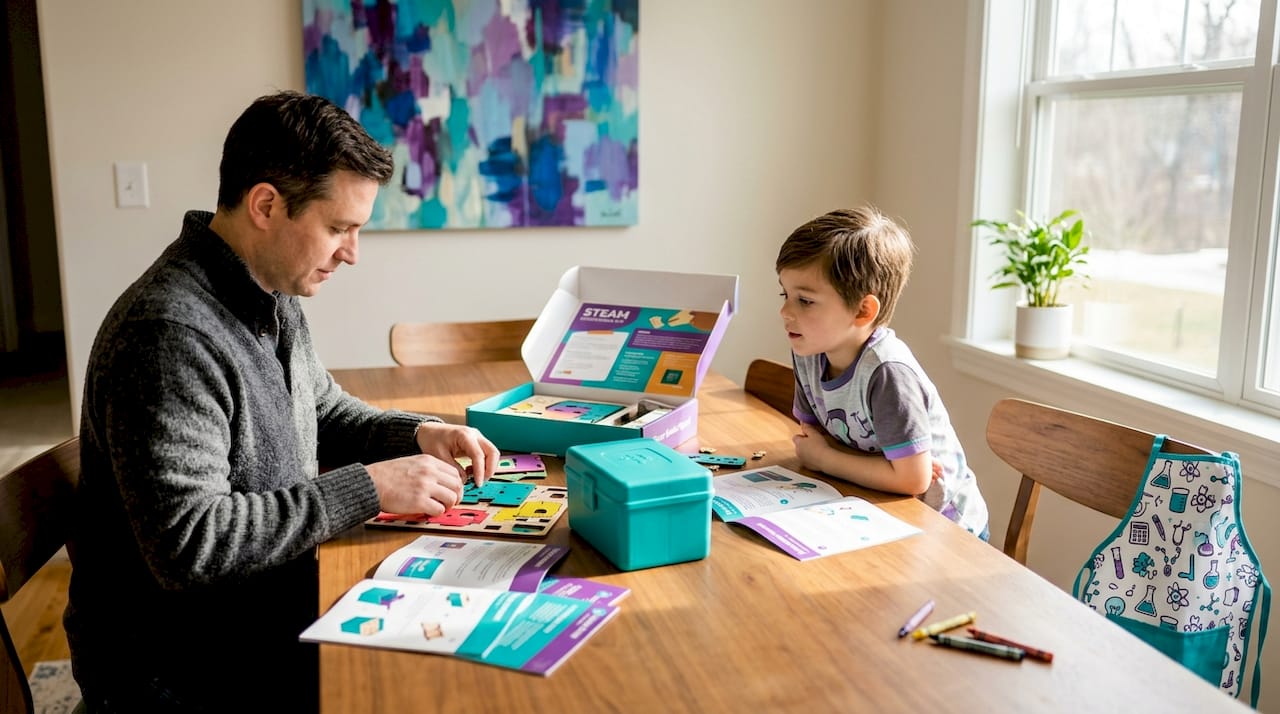
A parent orders an Electricity Lab Bundle as a birthday gift and adds a classroom bundle for the child’s teacher. At home the child unboxes with a lab coat, follows the step-by-step booklet, and completes three experiments. The teacher uses the classroom set across three lessons and hands out certificates at the unit’s end.
Pricing
Product prices vary by item. Experiment kits and bundles typically range from $29.99 to $44.99. Apparel and accessories are priced separately. The vendor advertises free shipping on orders above $50 and discounts for bundled purchases.
Website: https://shop.teamgeniussquad.com
Little Passports
At a Glance
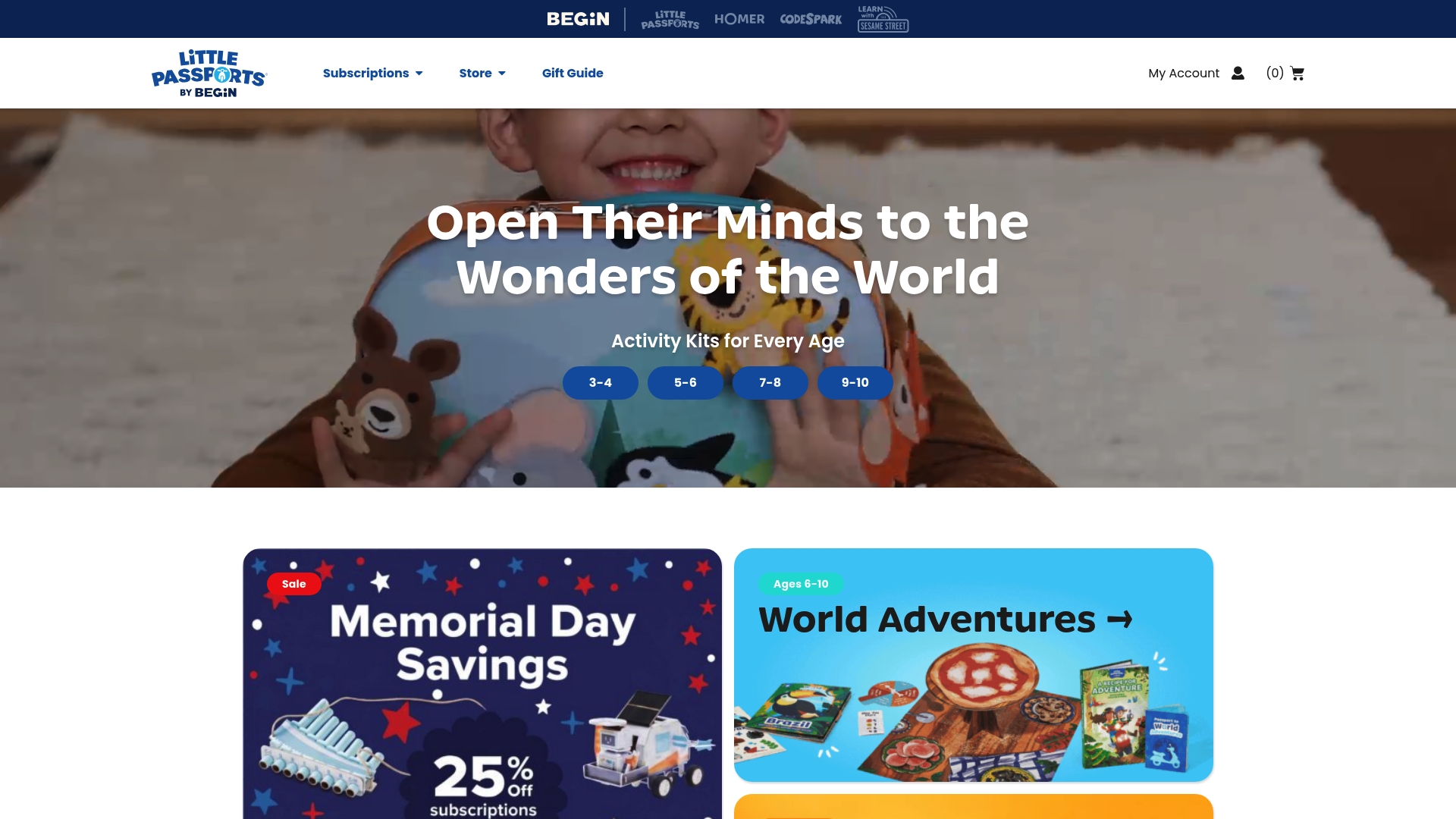
Every month a themed box arrives with storybooks, souvenirs, and hands-on projects tied to a single country or science topic. The brand, Little Passports, packages age-appropriate materials that aim to build global awareness through tactile play and guided activities for children ages three and up.
Core Features
- Monthly themed activity kits that deliver a consistent surprise and a new learning focus each month.
- Age-specific collections tailored for preschoolers through older kids to match developmental stages.
- Educational books, souvenirs, and hands-on projects included in each box for parent-child participation.
- Gifting options with personalized messages for birthdays and holidays.
- Regular promotions and multi-month gift subscriptions to simplify one-off purchases.
Key Differentiator
Little Passports leans heavily on cultural storytelling and geography as the learning anchor, not on structured experiment sequences. That focus means boxes spark curiosity about world cultures and places rather than concentrated STEAM practice. Compared with Teamgeniussquad, which emphasizes identity-driven STEAM and neurodivergent-informed design, Little Passports serves families seeking broad cultural exposure and light hands-on projects.
Pros
- Strong content crafted by educators. The kits are notable for clear learning goals and age-appropriate reading that makes parent-led learning straightforward.
- Wide thematic variety keeps repeat subscribers interested. New countries or science themes arrive monthly so kids seldom see the same activity twice.
- Highly giftable packaging and personalization make these easy presents for relatives who want an educational option that arrives ready to use.
- Interactive, tactile activities encourage joint play. Parents report that shared unpacking and projects create easy conversation starters about places and customs.
- Positive press coverage and brand recognition give many parents confidence when choosing a subscription.
Cons
- Price point sits toward the higher end for subscription kits. Families tracking household spending may find value varies by month.
- Several kit components are low-durability cardboard and paper. That reduces long-term playability and raises waste concerns for eco-minded households.
- Some items have limited reuse, so the box can feel ephemeral after the month ends.
- Accessibility is limited for children who prefer screen-based or highly durable toy experiences.
When It May Not Fit
If your child prefers interactive screen content or your family buys toys once for multi year play, Little Passports will feel short lived. The product is built around monthly discovery rather than lifetime play value.
If durability and reusability are primary priorities, look elsewhere for kits that center on long-lasting materials and repeated experiments.
Who It’s For
Parents, grandparents, or guardians who want monthly, curated learning delivered to the door. Ideal for families seeking light hands-on activities that encourage cultural curiosity, for homeschoolers wanting supplemental geography or for gift givers who want a ready-made educational present.
Real World Use Case
A parent subscribes to the “World Adventures” series for an eight-year-old. Each month they read the included story, build a small souvenir together, and add the item and postcard to a homemade world map. The routine becomes a weekly family activity that sparks questions about history, food, and language.
Pricing
Most subscriptions range from $20 to $40 USD per month, with gift options and occasional discounts. Shipping is included or extra depending on the delivery region, and multi-month prepay options lower the effective monthly cost.
Website: https://littlepassports.com
CrunchLabs
At a Glance
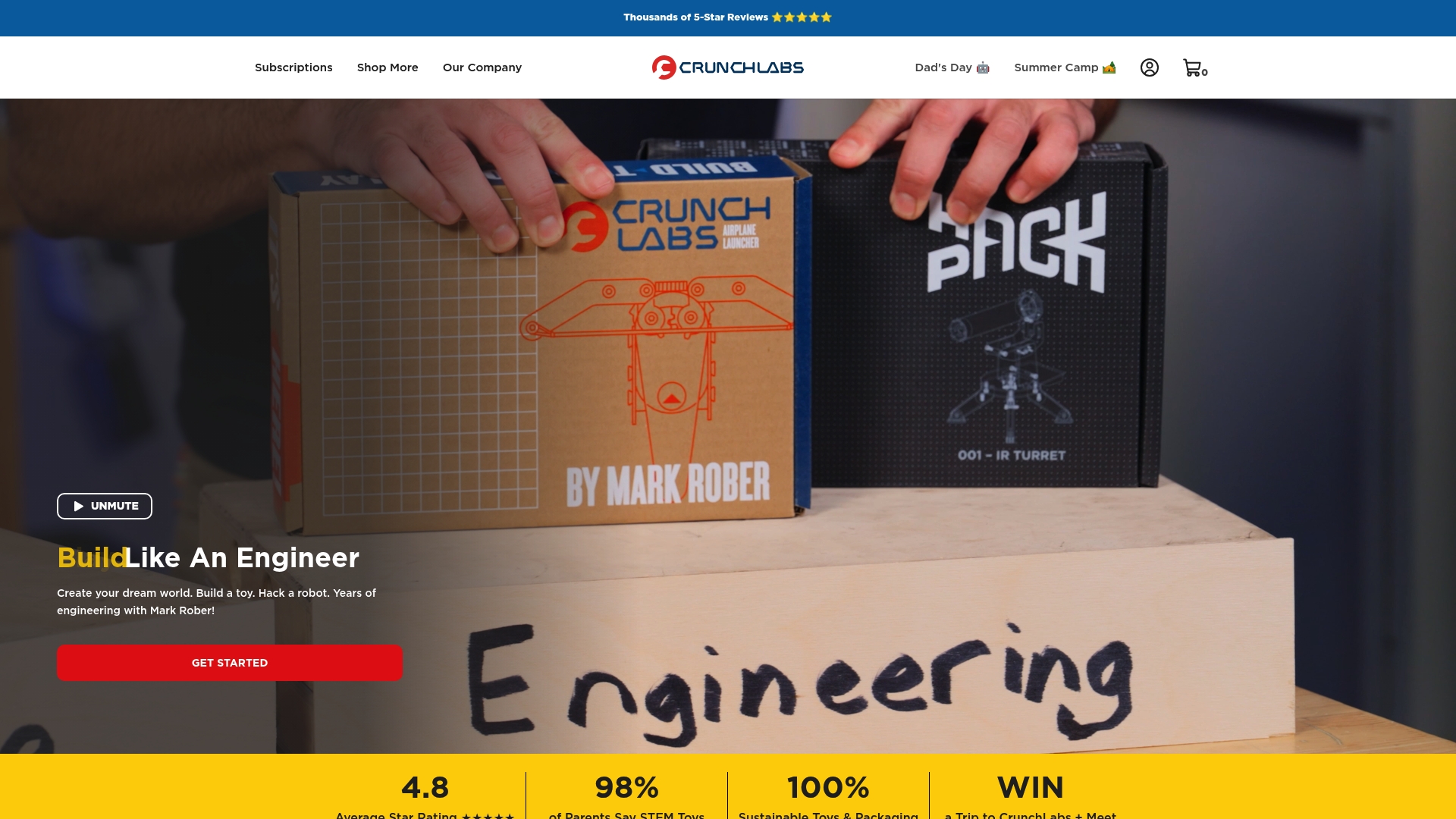
Founded by NASA engineer Mark Rober, CrunchLabs builds monthly STEM kits that scale from simple building challenges for younger kids to advanced robotics packs for teens. The brand emphasizes durable materials and eco-friendly packaging while pairing each kit with videos and community challenges.
Core Features
- Curated monthly subscription kits designed for distinct age brackets and skill levels, from beginner builders to teen coders.
- High-quality build materials and electronics intended to hold up to repeated handling and classroom use.
- Eco-friendly packaging plus supporting videos, step-by-step tutorials, and community forums that extend learning beyond the box.
Key Differentiator
CrunchLabs’ founder story and engineering pedigree give the kits a clear focus on authentic engineering practice and project depth. Compared with Teamgeniussquad’s identity-led, literacy-integrated, role-play approach, CrunchLabs leans more toward engineering challenges and technical skills for older children and hobbyists.
Pros
- The vendor advertises strong parent and educator approval, which suggests the kits resonate in home and classroom settings.
- Mark Rober’s involvement makes the projects feel grounded in real engineering thinking rather than generic toy mechanics.
- High-quality manufacturing means parts rarely feel cheap, which matters when kids take things apart and rebuild them repeatedly.
- Strong community engagement via videos, contests, and social channels helps kids share projects and stay motivated.
- Subscription tiers for different ages encourage family participation and make gift giving straightforward.
Cons
- Subscription management can be confusing and some users report difficulty cancelling, with automatic renewals not always obvious.
- Shipping delays and occasional damaged or missing parts have been reported, which interrupts builds and lesson plans.
- Builds have limited replayability by design; once assembled, many kits do not offer long-term reconfiguration.
- Customer support experiences vary, with some parents finding response times slow or solutions lacking.
When It May Not Fit
If you live outside North America, CrunchLabs may not be practical due to shipping restrictions. If you want an open-ended kit that children rebuild into new projects repeatedly, the single-project nature may feel limiting. Families that need guaranteed rapid customer support should weigh mixed reviews.
Who It’s For
Parents, homeschoolers, and teachers who want hands-on engineering projects that teach real mechanics and basic coding. Also a good match for teens and hobbyists who prefer building and robotics over role-play or literacy-focused activities.
Real World Use Case
A parent subscribes to a monthly Build Box for a 10-year-old who follows the video tutorial, assembles the mechanism, and then posts the finished project to the CrunchLabs community. The child enters a themed contest and uses feedback to tinker with the design.
Pricing
Most subscriptions run between $30 and $70 per month depending on kit complexity, with shipping included in the stated price. Larger premium kits can cost more. The vendor advertises occasional discounts and limited trial or sample offers.
Website: https://crunchlabs.com
MEL Science
At a Glance
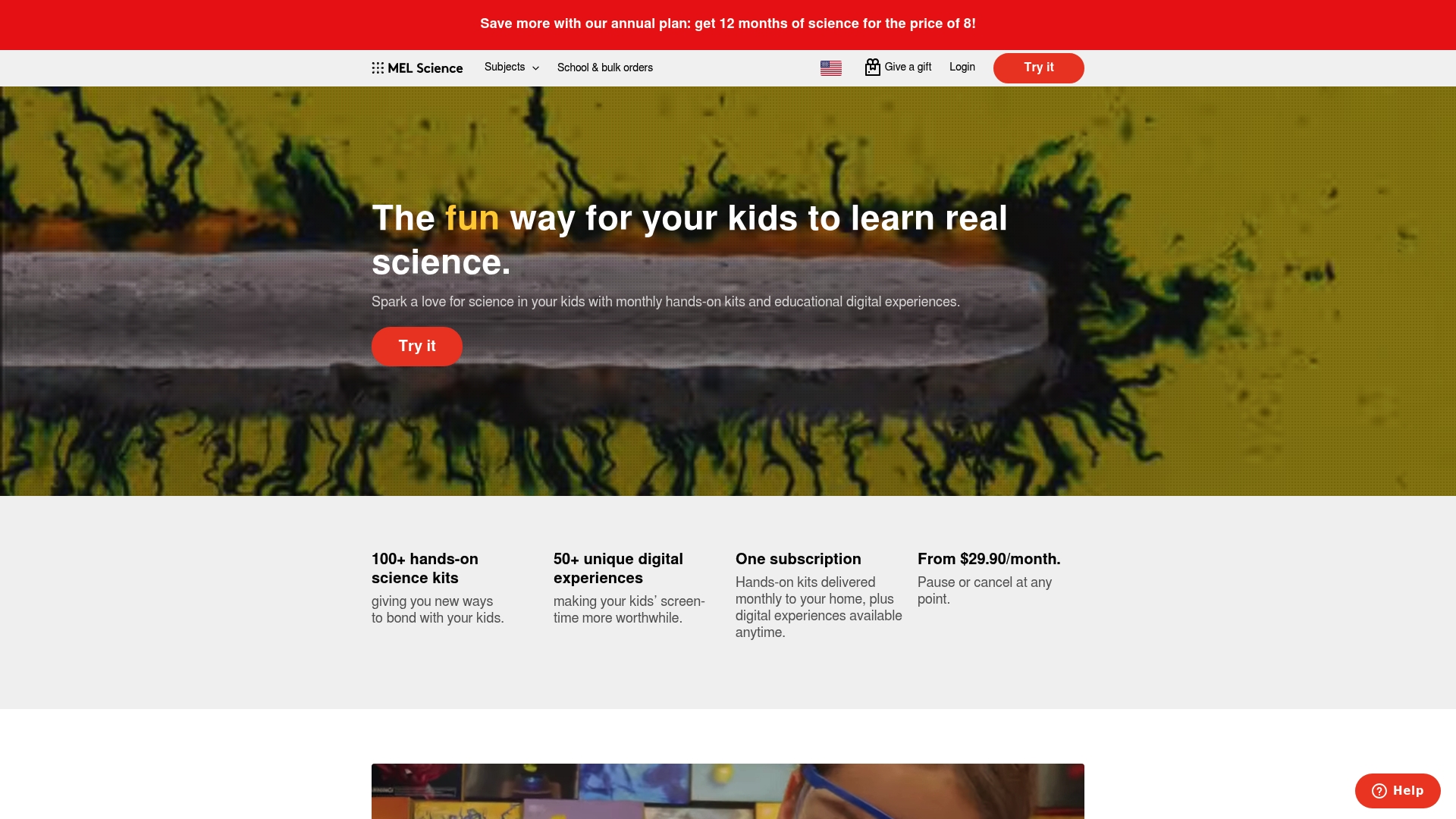
$29.90 per month is the advertised entry point for MEL Science subscriptions, with discounts for annual plans and free trials of VR lessons. The combination of monthly experiment kits plus immersive digital lessons is the product’s clearest selling point.
Core Features
-
Monthly hands-on kits that deliver safe, child-friendly experiments to your door with age-appropriate instructions and replacement-part support.
-
AR and VR lessons available through the mobile app that layer 3D models and guided walkthroughs onto each experiment for deeper concept clarity.
-
Curriculum-aligned content, flexible subscription controls for pausing or canceling, and support for bulk orders to serve classrooms or homeschooling co-ops.
Key Differentiator
MEL Science pairs physically safe, research-backed experiment kits with immersive AR and VR content, which is uncommon among kit makers. That tech-forward hybrid appeals to families and schools that want both tactile experiments and guided visualizations rather than purely screen-free or purely digital experiences.
Pros
-
High-quality safety tested materials. The kits are described as child-tested and safety certified, which reduces parent overhead for supervision and supplies.
-
Strong digital support. The app’s AR and VR lessons clarify abstract ideas and let children revisit demonstrations at their own pace.
-
Educator and homeschool friendly. Content ties to age-specific curricula and bulk ordering options simplify classroom adoption.
-
Replacement parts and customer assistance reduce downtime when a component is missing or damaged, keeping experiments usable.
Cons
-
Some subscribers report inconsistent contents across deliveries, which can leave families missing a key piece for that month’s experiment.
-
Kits are sometimes substituted without advance notice, creating mismatch between what a child expects and what arrives.
-
The business model emphasizes subscription access over single-kit purchases, limiting flexibility for families who want to buy just one project.
-
A subset of users report friction when canceling or customizing subscriptions, which can be frustrating for busy parents.
When It May Not Fit
If you want to buy single kits on demand rather than commit to a subscription, MEL Science is a poor match. If your household is in a region with restricted shipping, the service may be unavailable or costly. Families that need instant, frictionless cancellations should plan for possible delays.
Who It’s For
Parents and educators of children aged 5 to 13 who value scientifically grounded experiments plus digital visualization. Ideal for homeschooling families and classrooms that want curriculum-aligned modules and the option to mix hands-on learning with AR or VR demonstrations.
Real World Use Case
A parent subscribes for a 10-year-old who loves chemistry. Each month the child receives a kit, follows the printed instructions, and then opens the app to view a VR lesson that explains molecular behavior. The pairing deepens understanding and supports independent exploration.
Pricing
Subscriptions start at $29.90/month with lower effective cost on annual billing. VR lessons offer free trials and optional subject bundles or extra kits raise the total cost depending on selections.
Website: https://melscience.com
KiwiCo
At a Glance
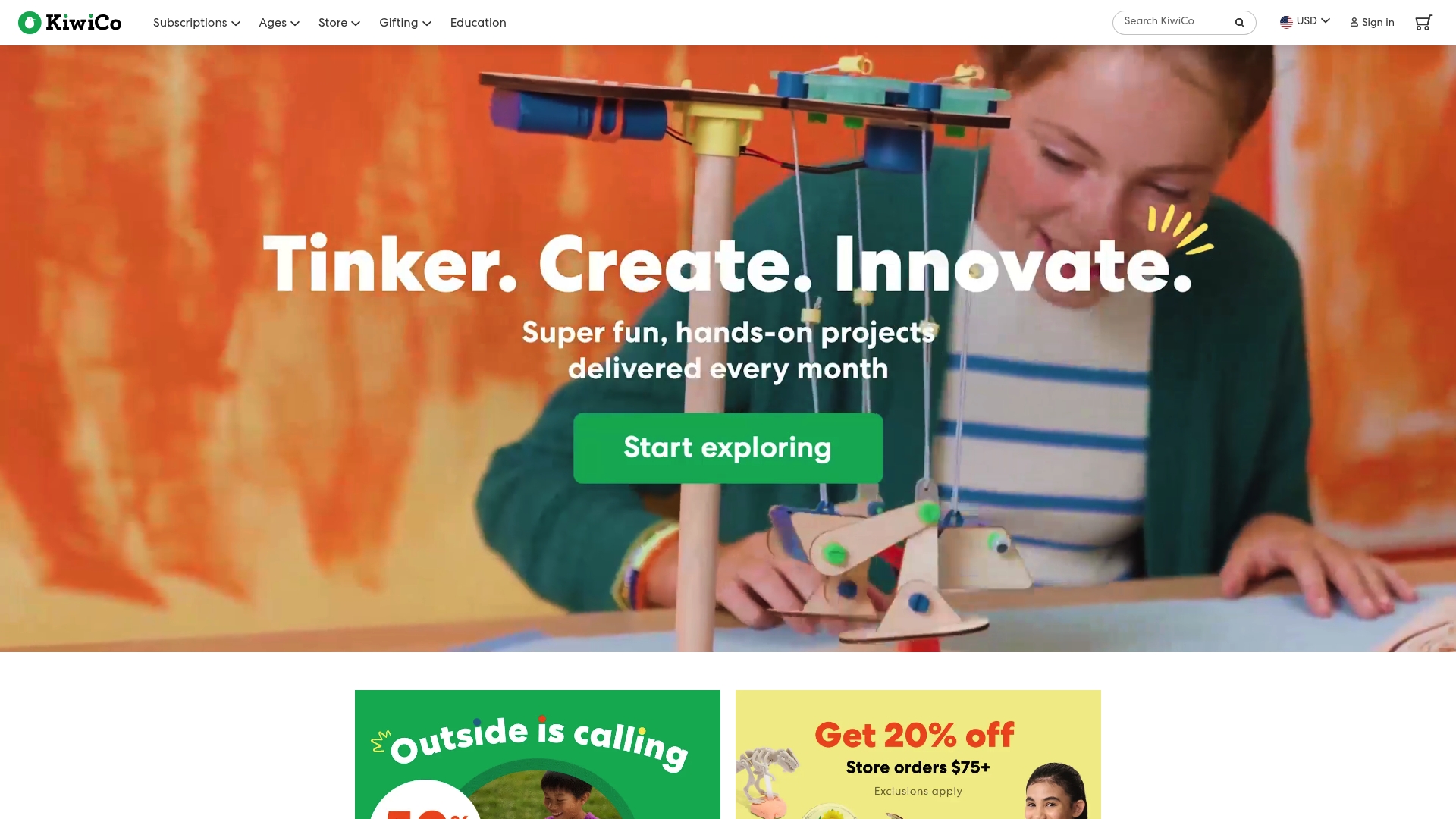
KiwiCo sells age-specific crates labeled from newborns up to “100+ years,” a surprising range that signals broad product coverage and giftability. The service focuses on monthly themed projects delivered to your door, making hands-on STEM and art activities easy to schedule at home. Pick this if you want predictable, age-matched kits arriving each month.
Core Features
KiwiCo organizes projects into clearly labeled crates that match developmental stages and interests. Each crate arrives with tools, parts, and illustrated instructions so kids can build and experiment with minimal adult prep.
- Age-specific crates covering categories like Panda, Koala, Kiwi, Tinker, Doodle, Eureka, Maker, and Atlas.
- Monthly delivery with options for one-time purchases, gift subscriptions, and bulk school orders.
- Online support and educator resources to extend lesson plans and classroom use.
These features make monthly learning tangible and repeatable for busy families.
Key Differentiator
KiwiCo’s standout is its curated, age-specific projects designed by educational experts to map to common developmental milestones. Compared with Teamgeniussquad, KiwiCo aims at broad age bands and repeat monthly variety rather than identity-driven confidence building or explicit neurodivergent-informed design. Choose KiwiCo for dependable, sequenced skills practice.
Pros
- Strong educational focus. Kits are designed to teach a clear concept each month and come with instructions that let a child work with modest adult help. The structure helps parents plan short learning sessions.
- Wide project variety. The crate lineup covers science, engineering, art, culture, and maker skills so siblings at different ages can open age-appropriate boxes simultaneously.
- Flexible buying options. You can subscribe, give a prepaid gift, or place bulk orders for classrooms which simplifies buying for schools and parties.
- Good customer support and resources. The online help center and lesson guides assist educators and parents who want to expand a kit into sustained learning time.
Cons
- Subscription friction. Some customers report difficulty with cancelling or managing renewals, which means you need to double check your account settings when you sign up.
- Shipping problems. Users have reported delays and regional shipping quirks that disrupt the monthly cadence parents expect.
- Environmental concerns. Certain kits include single-use packaging or components that increase waste, which may bother eco-conscious families.
- Limited global reach. International shipping is restricted in some countries, limiting availability for families outside supported regions.
When It May Not Fit
If you live outside KiwiCo’s supported shipping regions, you may not be able to receive crates reliably. Also pick a different option if you want kits explicitly designed to build identity and confidence for children with dyslexia or similar learning differences; Teamgeniussquad emphasizes neurodivergent-informed learning and role-play features that KiwiCo does not foreground.
Who It’s For
Parents and educators who want steady, hands-on STEM and art experiences delivered monthly for kids roughly ages 5 to 13. Also useful for homeschoolers who need ready-made activities and for teachers buying classroom sets on a predictable budget.
Real World Use Case
A parent subscribes to a KiwiCo crate for an 8 year old and schedules Saturday morning project time. The child follows the illustrated guide, practices a new engineering concept, and earns a small moment of independence. A teacher orders a class pack for a unit on simple machines and uses the educator guides for a week of lessons.
Pricing
Most crates fall in the $20–$50 per month range with subscription discounts for longer commitments. Gift sets and larger classroom plans have different pricing and shipping charges vary by location, so check total costs before you finalize an order.
Website: https://kiwico.com
Intro pre-write:
- Does shop.teamgeniussquad.com clearly outpace every usable competitor on a single dimension? NO
- If NO: best tradeoff dimension for the primary reader — Focus on STEAM confidence building for neurodivergent children + Limited physical store presence
- First sentence draft: When comparing hands-on STEAM kits for young learners, each provider brings unique strengths designed for different needs and learning environments.
Competitor win pre-write:
- Which competitor wins which dimension: CrunchLabs wins “Technical Depth and Replayability of Engineering Projects” because “it offers advanced projects paired with durable materials for older children exploring engineering systematically.”
- Does this dimension matter to the primary reader? YES
Best Fit uniqueness check:
- List each bullet scenario in one clause: [Families wanting identity-driven STEAM kits emphasizing storytelling] / [Families desiring global cultural exposure kits] / [Older children exploring in-depth engineering projects] / [Users wanting AR/VR integration for experiments] / [Families seeking themed art and STEM experiences for varied age groups]
- Can any two be swapped without changing meaning? NO
Our Pick pre-write:
- The ONE capability unique to shop.teamgeniussquad.com in this set: Kits explicitly designed for boosting confidence in neurodivergent children through structured discovery and storytelling.
- Evidence from the reviews: “Confidence-first design. Kits and role-play tools are structured to produce successful experiments, which helps children who struggle in traditional settings feel capable and curious.”
- Closing sentence draft: For users prioritizing tactile STEAM learning combined with role-play and confidence support, Team Genius Squad excels as the ideal choice.
- Substitution test: For users prioritizing tactile STEAM learning combined with role-play and confidence support, Little Passports excels as the ideal choice.
- Does the substituted version still work as a recommendation? NO
Comparing STEAM Learning Kit Providers
When comparing hands-on STEAM kits for young learners, each provider brings unique strengths designed for different needs and learning environments.
Approaches to Integration of Learning Concepts
Team Genius Squad incorporates literacy and storytelling with their hands-on kits, engaging children through role-play, and aiding confidence building. Little Passports, in comparison, connects thematic activities to geography and culture, prioritizing global awareness over structured STEAM learning. KiwiCo introduces projects designed with developmental stages in mind, offering engaging and age-specific lessons but without the focus on a singular educational theme. For those seeking focused skill-building sessions and geographical learning, Little Passports provides distinct advantages with its storytelling approach.
Material Durability and Reusability
CrunchLabs leads in material durability and engineering depth, offering kits that endure repeated use, focusing on children interested in comprehensively exploring mechanics and engineering. In contrast, other providers balance hands-on tasks with focus on creativity or role-play over long-term component reuse. However, MEL Science excels in digital integration, merging AR/VR simulations with experiments for supplementary virtual guidance.
Best Fit scenarios
- Team Genius Squad: Families wanting role-play elements that build confidence and learning readiness, especially for neurodivergent children.
- Little Passports: Ideal for users seeking globally themed projects that foster cultural awareness through fun activities.
- CrunchLabs: Best for older children aiming to develop tangible engineering skills through advanced tools and step-by-step educational content.
- MEL Science: Geared toward families interested in blending hands-on science experiments with immersive AR and VR learning methods.
- KiwiCo: Suitable for users preferring diverse, general-topic crates, spanning various subject areas and age ranges for family-wide engagement.
Our Pick
Team Genius Squad distinguishes itself with its identity-focused kits that integrate STEAM concepts with literacy, storytelling, and role-play elements. Designed to support neurodivergent learners, it offers a unique approach to tactile education. However, for families prioritizing highly technical projects or AR-enhanced science learning, exploring competitors such as CrunchLabs or MEL Science is recommended.
Comparison of Hands-On STEAM Kits
Explore top options for engaging screen-free educational kits designed to inspire learning and creativity in children.
| Product Name | Core Feature | Key Differentiator | Best For | Notable Limitation | Pricing |
|---|---|---|---|---|---|
| Team Genius Squad | Hands-on STEAM experiment kits | Includes role-play items and confidence-building activities | Families and educators of ages 5–13 | Primarily e-commerce, limited local access | $29.99–$44.99 |
| Little Passports | Monthly themed activity kits | Focus on global awareness and cultural exploration | Families seeking curiosity about geography | High price for monthly subscription | $20–$40 per month |
| CrunchLabs | Engineering and coding kits | Founded by a NASA engineer with a strong focus on mechanics | Older kids interested in robotics | Shipping issues and limited replayability | $30–$70 per month |
| MEL Science | STEAM kits with AR/VR integration | Includes digital content to enhance concept understanding | Educators and homeschoolers | Inconsistent delivered contents | $29.90/month |
| KiwiCo | Age-specific monthly project kits | Broad variety of developmental and interest-focused activities | Families seeking steady, varied kits | Restricted by shipping regions | $20–$50 per month |
Discover Why Team Genius Squad Stands Out Among teamgeniussquad.com Alternatives
Finding the right STEAM kit for children ages 5 to 13 can feel overwhelming, especially when you want more than just experiments. The challenge lies in empowering kids who may struggle in traditional learning settings while providing screen-free, hands-on discovery that sparks curiosity and confidence. Team Genius Squad addresses this by combining purposeful play with storytelling and role-play elements, all powered by the trademarked E³ Method (Engage, Encourage, Empower).
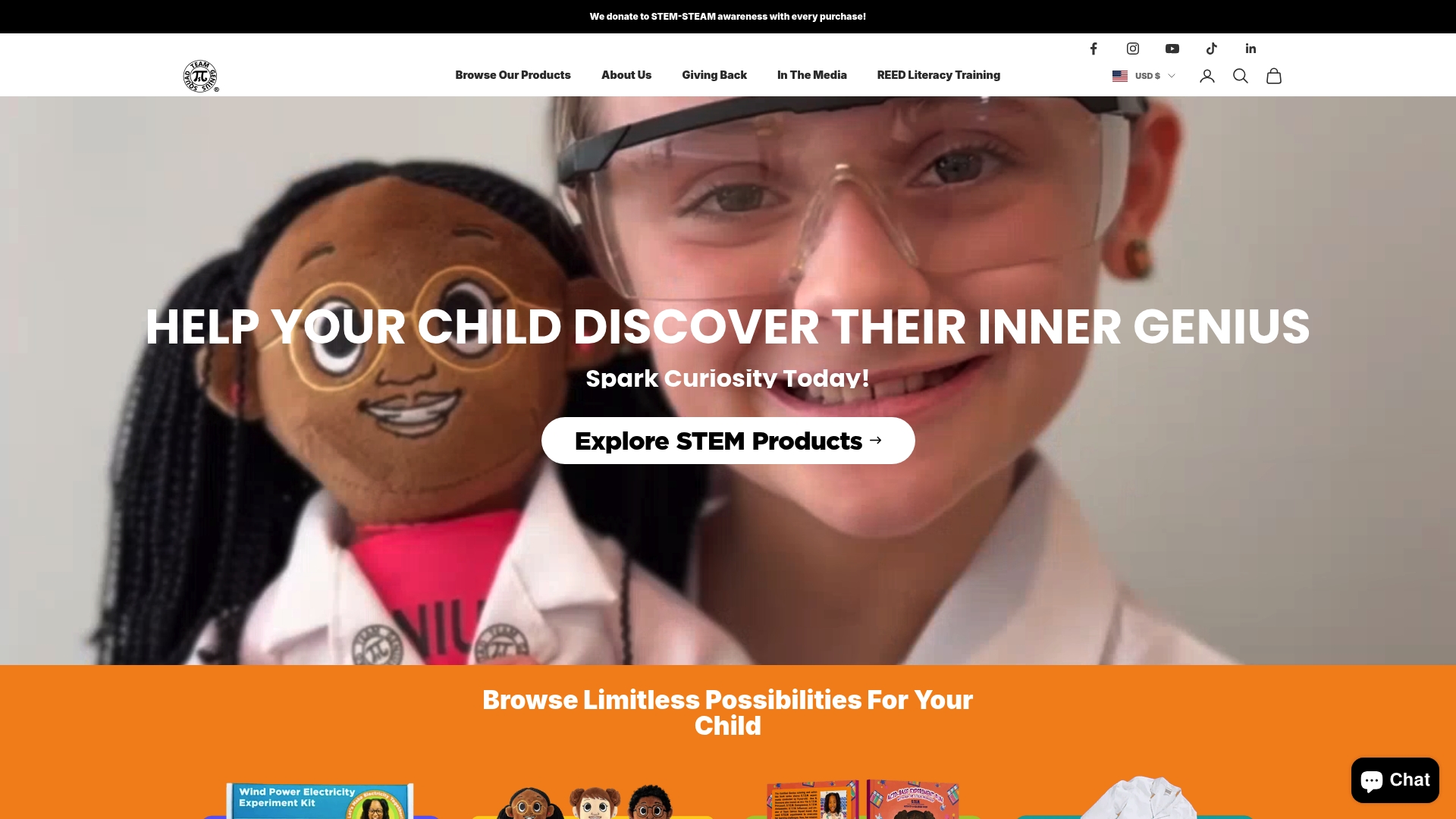
Explore how our kits transform learning into immersive experiences where children become young innovators, not just experimenters. Visit Team Genius Squad to shop confidence-building STEAM kits designed for real success and lasting inspiration. Choose kits that deliver role-play gear, literacy integration, and a neurodivergent-inspired approach that turns discovery into self-belief. Check out our collection today and help your child step confidently into the world of innovation.
Frequently Asked Questions
What features make Team Genius Squad a great choice for hands-on STEAM learning?
Team Genius Squad offers hands-on, screen-free experiment kits with step-by-step guides designed for children aged 5–13. This approach fosters tactile learning and independent exploration, making it a suitable option for parents wanting a confidence-building educational tool for their kids.
How does Little Passports compare to Team Genius Squad for early education?
Little Passports excels in providing monthly themed kits filled with storybooks and hands-on projects focused on cultural exploration. While Team Genius Squad emphasizes structured STEAM experiments that build confidence, Little Passports offers cultural exposure through light, engaging activities, making each option fit different educational needs.
What unique benefits does CrunchLabs provide compared to Team Genius Squad?
CrunchLabs specializes in engineering-focused kits that include high-quality materials, catering primarily to older children and teens with advanced challenges. In contrast, Team Genius Squad is more tailored to younger learners aiming to build confidence through learning, offering role-play elements that focus on identity and creativity.
What is the pricing like for Team Genius Squad compared to other alternatives?
Team Genius Squad’s experiment kits range from $29.99 to $44.99, making it a competitive option among similar hands-on kits. This pricing aligns well for parents seeking quality education at a reasonable price point, especially when considering the bundle discounts available.
Can families expect community engagement with Team Genius Squad products?
Yes, Team Genius Squad promotes community involvement by donating to STEM-STEAM outreach with every purchase, allowing families to feel like part of a larger mission. This appeals to parents who are interested in supporting educational initiatives while providing engaging learning opportunities for their children.

Leave a comment
This site is protected by hCaptcha and the hCaptcha Privacy Policy and Terms of Service apply.