
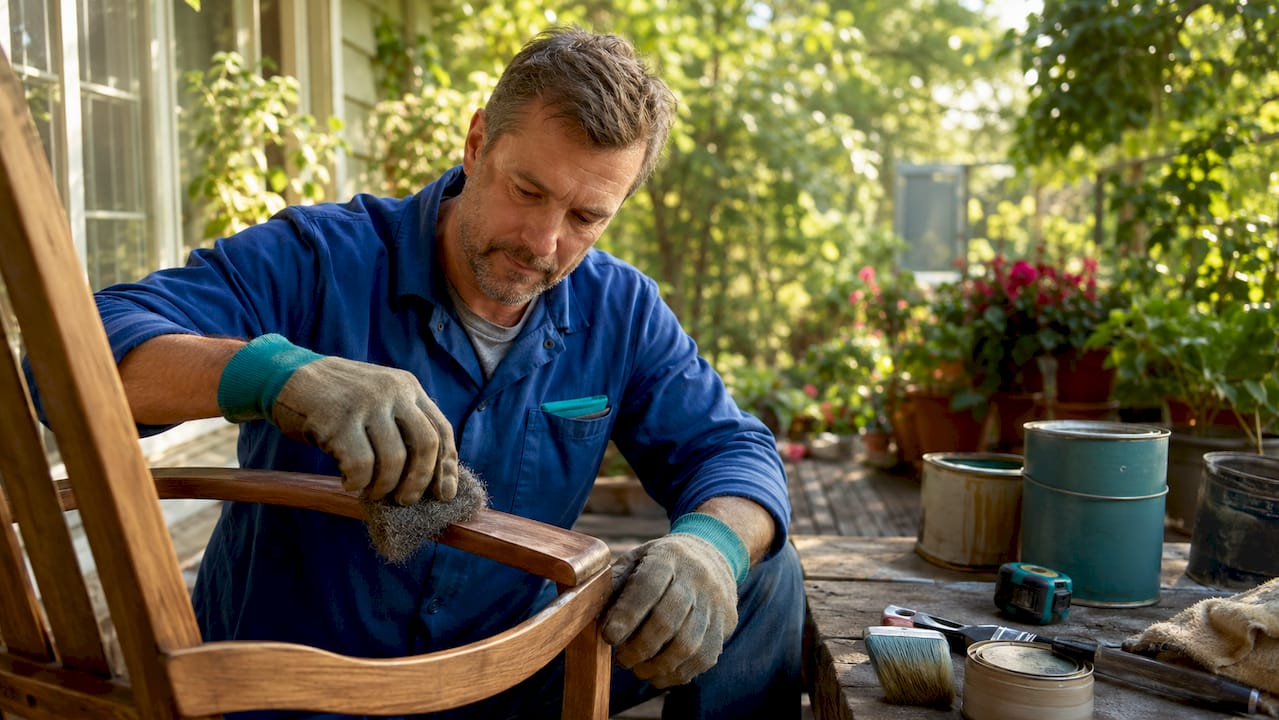
Iron Wool: Uses, Grades, and Tips for DIY Projects
Iron wool, more commonly known as steel wool, is a bundled abrasive material made from fine iron filaments that DIY enthusiasts, artisans, and homeowners rely on for everything from stripping rust to creating stunning wood patinas. The term “iron wool” captures the material’s core composition accurately: tightly wound iron fibers that flex, conform to surfaces, and deliver controlled abrasion in ways sandpaper simply cannot match. Whether you’re restoring a cast iron skillet, polishing a wood floor, or experimenting with chemical staining techniques, understanding how to choose and use the right grade changes your results completely.
1. What iron wool grades mean and how to choose the right one
Grades range from #3 to #0000, spanning coarse to ultra-fine, and each grade serves a distinctly different purpose. Choosing the wrong grade is the most common mistake DIYers make with this material. A coarse pad on a finished wood surface causes irreversible scratching, while an ultra-fine pad on heavy rust barely makes a dent.
| Grade | Abrasiveness | Best uses |
|---|---|---|
| #3 | Coarsest | Heavy rust removal, stripping old paint from metal |
| #2 | Coarse | Removing varnish, cleaning heavily corroded surfaces |
| #1 | Medium-coarse | Cleaning cast iron, scrubbing tile grout |
| #0 | Medium | General cleaning, light paint removal |
| #00 | Medium-fine | Smoothing wood between coats, cleaning chrome |
| #000 | Fine | Polishing metal fixtures, buffing wood finishes |
| #0000 | Ultra-fine | Polishing silver and optics, final wood finishing |
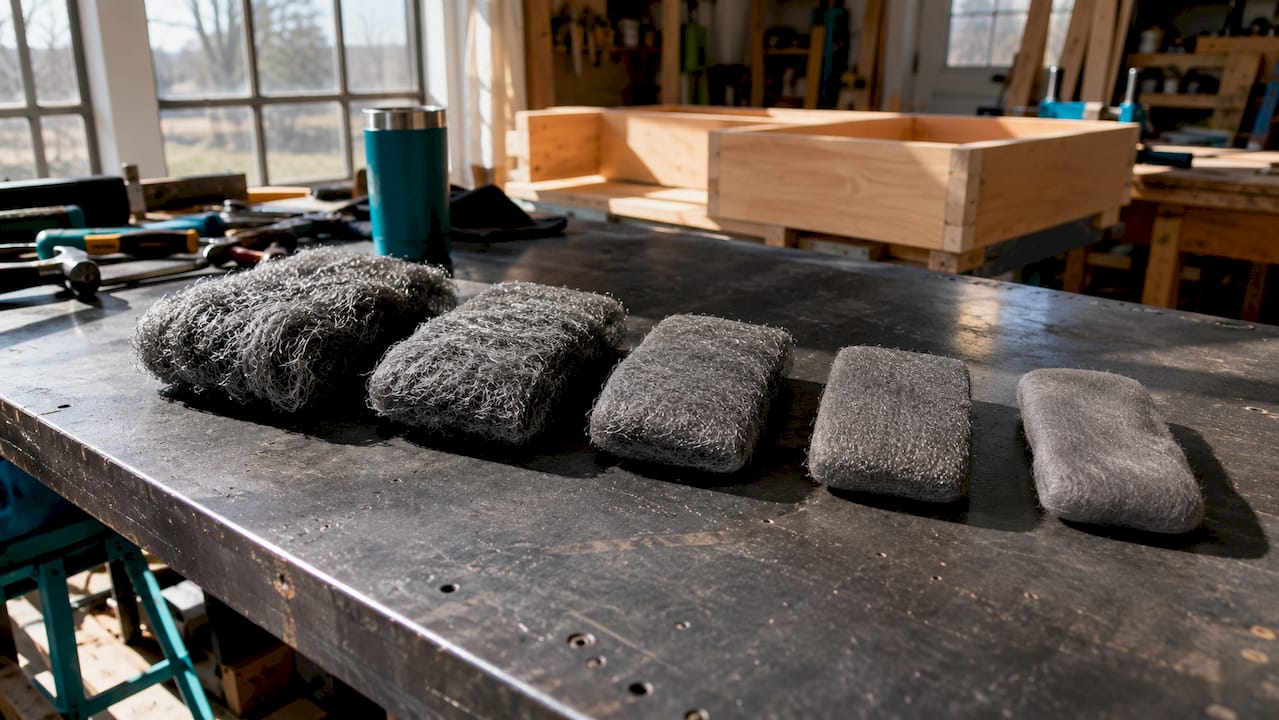
Strand thickness and density determine how the pad behaves on contact. Coarser grades have thicker, more widely spaced filaments that cut aggressively. Finer grades pack more filaments per square inch, distributing pressure evenly and producing a smoother result. This is why #0000 leaves a glass-like sheen on hardwood floors when used between finish coats.
Pro Tip: Always test a small, hidden area before committing to a full surface. One pass with the wrong grade on oak or cherry can mean hours of repair work.
2. Top practical uses for iron wool in household projects
Iron wool earns its place in any serious DIY toolkit because it handles tasks that brushes, sponges, and sandpaper struggle with. Its flexibility lets it reach curved surfaces, recessed grooves, and irregular shapes that flat abrasives miss entirely.
- Rust and paint removal: Coarse grades (#2 and #3) strip rust from garden tools, patio furniture, and metal pipes without requiring chemical strippers. The mechanical action is fast and precise.
- Polishing wood and metal: Fine grades (#000 and #0000) buff wood finishes between coats, producing a satin sheen that sandpaper cannot replicate. The same grades polish brass fixtures, chrome faucets, and copper cookware.
- Cleaning cookware and grills: Medium grades (#0 and #1) remove baked-on grease from cast iron skillets and grill grates. Cast iron handles the abrasion well, and the iron-on-iron contact does not introduce foreign contamination.
- Rodent control: Coarse steel wool blocks entry holes effectively because rodents cannot chew through it without suffering pain and internal damage. Stuffing gaps around pipes and foundation cracks with #3 grade is a proven, non-toxic deterrent.
- DIY wood staining and patina effects: Artisans soak iron wool in white vinegar for 24 to 72 hours to create an iron-acetate solution. When brushed onto high-tannin woods like oak, walnut, or cherry, iron-acetate darkens the wood through a natural ebonizing reaction, producing rich gray and black tones without any commercial stain.
Pro Tip: For the iron-acetate staining technique, use a glass jar rather than a metal container. The reaction between the iron wool and vinegar produces gas, so leave the lid slightly loose to prevent pressure buildup.
3. How to safely use and maintain iron wool cleaning pads
Safe handling of iron wool protects both you and your surfaces. Fine iron filaments break off during use and can embed in skin, irritate eyes, and contaminate nearby materials if you work carelessly.
- Wear gloves and eye protection. Fine filaments shed constantly during scrubbing. Nitrile gloves prevent skin punctures, and safety glasses block airborne particles. Teamgeniussquad’s S.T.E.M. lab safety glasses offer an adjustable fit that works for adults and young learners alike.
- Clear your workspace before and after. Lay down a drop cloth or old towel under your project. After finishing, use a magnet to collect stray metal particles that are too small to sweep or vacuum effectively. This prevents rust stains on surrounding surfaces.
- Extend pad life with a sharp snap. A firm finger snap or a sharp shake dislodges debris trapped inside the pad, clearing clogged filaments and restoring abrasive contact. This simple technique meaningfully extends the usable life of each pad before replacement.
- Store dry to prevent rust. Wet iron wool rusts within hours. After use, squeeze out moisture, place the pad on a dry paper towel, and store it in a sealed plastic bag with a small piece of dry soap. The soap slows oxidation and keeps the pad workable for days longer.
- Avoid reactive and delicate surfaces. Iron wool on oak causes blue-black staining because residual iron reacts with the wood’s tannins, producing permanent discoloration. Avoid iron wool on aluminum, brass, non-stick coatings, and any surface where iron contamination would cause damage.
Pro Tip: Never store used iron wool in a metal trash can. Wet pads generate heat as they oxidize, and in confined spaces with oxygen-rich environments, spontaneous combustion is a real risk. Always dispose of used pads in a water-soaked condition inside a sealed container.
4. Eco-friendly steel wool alternatives and when to use them
Traditional iron wool carries environmental costs that many DIYers overlook. Microscopic ferrous particles enter wastewater, stain non-ferrous metals nearby, and reduce septic system efficacy over time. For households on well and septic systems, this is a meaningful concern.
Plant-based and non-ferrous alternatives address these problems without sacrificing cleaning performance in the right applications.
Plant-based pads made from coconut coir, cellulose sponge, or walnut shell fibers clean effectively without shedding metal particles. Research shows that coconut coir pads produce 0% gloss reduction on stainless steel after 100 scrubbing cycles, compared to a 27% gloss reduction with steel wool. For stainless steel appliances, sinks, and cookware, plant-based pads preserve the surface finish far better.
Non-ferrous metal wools offer a middle path for tasks that genuinely require metal abrasion. Bronze wool and stainless steel wool both resist rust and do not react with tannins in wood. Professionals recommend bronze wool for glass cleaning and marine environments specifically because it leaves no rust stains on surrounding surfaces.
| Material | Best for | Avoid on | Environmental impact |
|---|---|---|---|
| Iron wool | Rust removal, wood staining, rodent control | Oak, aluminum, non-stick, stainless steel | Ferrous particle contamination |
| Bronze wool | Glass, marine surfaces, delicate metals | High-heat applications | Low rust risk, minimal contamination |
| Stainless steel wool | Outdoor projects, food-safe surfaces | Tannin-rich woods | Rust-resistant, durable |
| Coconut coir pads | Stainless steel, cookware, general cleaning | Heavy rust, paint stripping | Biodegradable, septic-safe |
| Walnut shell pads | Light scrubbing, delicate surfaces | Aggressive abrasion tasks | Fully compostable |
Choose plant-based options for routine kitchen and bathroom cleaning. Reserve iron wool for heavy-duty tasks like rust removal, paint stripping, and the iron-acetate staining technique where its unique chemical properties are genuinely needed.
Key takeaways
Iron wool is most effective when you match the grade precisely to the task, store it dry, and recognize which surfaces require non-ferrous or plant-based alternatives instead.
| Point | Details |
|---|---|
| Grade selection matters | Match grades #3 to #0000 to task intensity to avoid surface damage or ineffective cleaning. |
| Chemical reactions create art | Soaking iron wool in vinegar produces iron-acetate, which ebonizes oak and walnut naturally. |
| Magnets clean up safely | Run a magnet over your workspace after use to collect fine iron particles and prevent rust stains. |
| Avoid reactive surfaces | Never use iron wool on oak, aluminum, or non-stick coatings without expecting permanent damage. |
| Alternatives protect surfaces | Coconut coir and bronze wool outperform iron wool on stainless steel and delicate finishes. |
Why iron wool taught me to respect the material, not just use it
The first time I tried the iron-acetate staining technique on a reclaimed oak shelf, I made every mistake possible. I used a metal jar, tightened the lid, and nearly had a small explosion on my hands when pressure built up inside. The result on the wood was stunning, but the process reminded me that iron wool is not just an abrasive pad. It is a chemically active material that reacts with its environment in ways that can surprise you.
What I have learned over years of working with it is that most people underestimate the fine grades. Everyone reaches for coarse wool to tackle a tough job, but #0000 is where the real magic happens. Buffing a hardwood floor with #0000 between finish coats produces a depth and smoothness that no sandpaper grit can replicate. The same grade on a piece of silverware brings back a mirror finish in minutes.
The environmental piece is something I now take seriously. Steel wool contamination in wastewater is not a theoretical concern. After switching to coconut coir pads for everyday kitchen scrubbing and reserving iron wool strictly for projects that need it, the rust staining around my utility sink disappeared entirely. That was a practical lesson, not a lecture.
My honest advice: keep a small selection of grades on hand, invest in proper gloves and eye protection, and experiment with the iron-acetate technique on scrap wood before committing to a finished piece. The results are worth the learning curve, and the process itself is one of those genuinely satisfying DIY discoveries that makes you want to share it with everyone you know.
— Tita
Bring iron wool experiments to life with Teamgeniussquad

Teamgeniussquad designs hands-on, screen-free STEAM discovery kits that turn real materials like iron wool into learning experiences children ages 5 to 13 remember. The STEM-STEAM Electricity Lab Bundle includes experiments that explore iron wool’s conductive and reactive properties, giving young learners a front-row seat to the science behind the material. Pair it with the Shocking Electric Science Kit to extend the discovery further. Every kit is built around the E³ Method, Engage, Encourage, Empower, so children do not just observe science. They become the scientists.
FAQ
What is iron wool used for in DIY projects?
Iron wool, also called steel wool, is used for rust removal, paint stripping, polishing wood and metal, cleaning cookware, blocking rodent entry points, and creating iron-acetate wood stains. Grade selection determines which task it handles best.
What grade of iron wool should I use for polishing?
Use #0000 (ultra-fine) for polishing silver, glass, and final wood finishes. Coarser grades like #1 or #2 suit heavy cleaning and rust removal, while #000 works well for buffing metal fixtures.
Can iron wool damage wood surfaces?
Yes. Iron wool on tannin-rich woods like oak produces permanent blue-black staining from an iron-tannin chemical reaction. Use bronze wool or stainless steel wool on wood surfaces where iron contamination is a concern.
What are the best steel wool alternatives for sensitive surfaces?
Coconut coir pads and bronze wool are the top alternatives. Coconut coir causes zero surface gloss reduction on stainless steel, making it ideal for appliances and cookware. Bronze wool suits glass and marine surfaces without leaving rust stains.
How do I store iron wool to prevent rust?
Store iron wool dry in a sealed plastic bag with a small piece of soap to slow oxidation. Never leave it wet or in a metal container, as damp iron wool oxidizes rapidly and can generate heat during decomposition.


Leave a comment
This site is protected by hCaptcha and the hCaptcha Privacy Policy and Terms of Service apply.